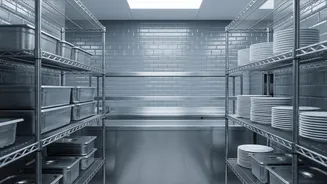








The City-Wide Crackdown
In recent weeks, food safety authorities, including Karnataka's Food Safety and Drug Administration (FSDA), have launched a massive and ongoing series of surprise checks on the city's food establishments. This isn't just about small, roadside eateries;
the inspections have targeted everything from government canteens and quick-commerce warehouses to three-star, five-star, and even elite clubs. Prompted by a rise in public complaints, including those on social media, officials have made it clear this is not a one-off campaign but a sustained effort to enforce hygiene standards across the board.
What Inspectors Are Finding
The results of these raids have been startling. Inspectors have seized hundreds of kilograms of expired, rotten, or improperly stored food. Common violations include finding fungus on vegetables and meat, using expired dairy products, and discovering pests like cockroaches in kitchens. At some high-end establishments, officials found large quantities of rotten meat and chicken, while others were flagged for storing vegetarian and non-vegetarian food together, and reusing cooking oil. The lapses were so severe in some cases that kitchens were ordered to be shut down immediately.
Even Five-Star Names Aren't Immune
One of the most concerning revelations is that a high price point or a famous brand name is no guarantee of a clean kitchen. Some of the most significant violations were found at well-known, luxury hotels and upscale lounges. Health officials noted that some establishments seem to prioritize the appearance of their dining areas over the actual hygiene of their kitchens and storage facilities. This has challenged the long-held assumption among many diners that paying more automatically ensures higher safety standards.
How Diners Can Protect Themselves
While authorities continue their crackdown, consumers can also play a role in protecting themselves. The first line of defence is your own senses. A recent survey of Bengaluru residents found that many have personally witnessed hygiene issues, from dirty washrooms and dining areas to staff handling food unhygienically. Take a moment to observe your surroundings. Does the restaurant have any unpleasant odours? Are the tables, cutlery, and menus clean? A clean washroom is often considered a good indicator of the overall hygiene standards of an establishment, including the kitchen.
Look for Digital Clues
Before you even leave the house, do a quick search online. Customer review platforms can be revealing. Look past the generic five-star ratings and read comments that mention hygiene, cleanliness, or, more alarmingly, instances of food poisoning. While some review sites have started incorporating official health inspection scores, this is not yet a widespread practice in India. However, a pattern of complaints about sickness or uncleanliness in user reviews should be treated as a major red flag.
Empowering the Consumer
The government's stated goal is not just to penalize businesses but to raise awareness and push operators to make food safety a daily priority. For diners, this is a powerful reminder that vigilance is key. Residents who encounter poor hygiene are encouraged to report it. The Karnataka government has facilitated ways to lodge complaints about food quality, empowering citizens to become active participants in upholding safety standards. By being more discerning and vocal, customers can collectively pressure the industry to improve.