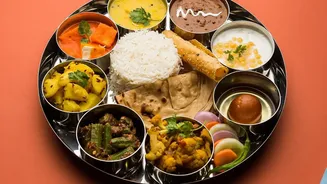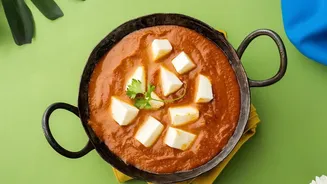

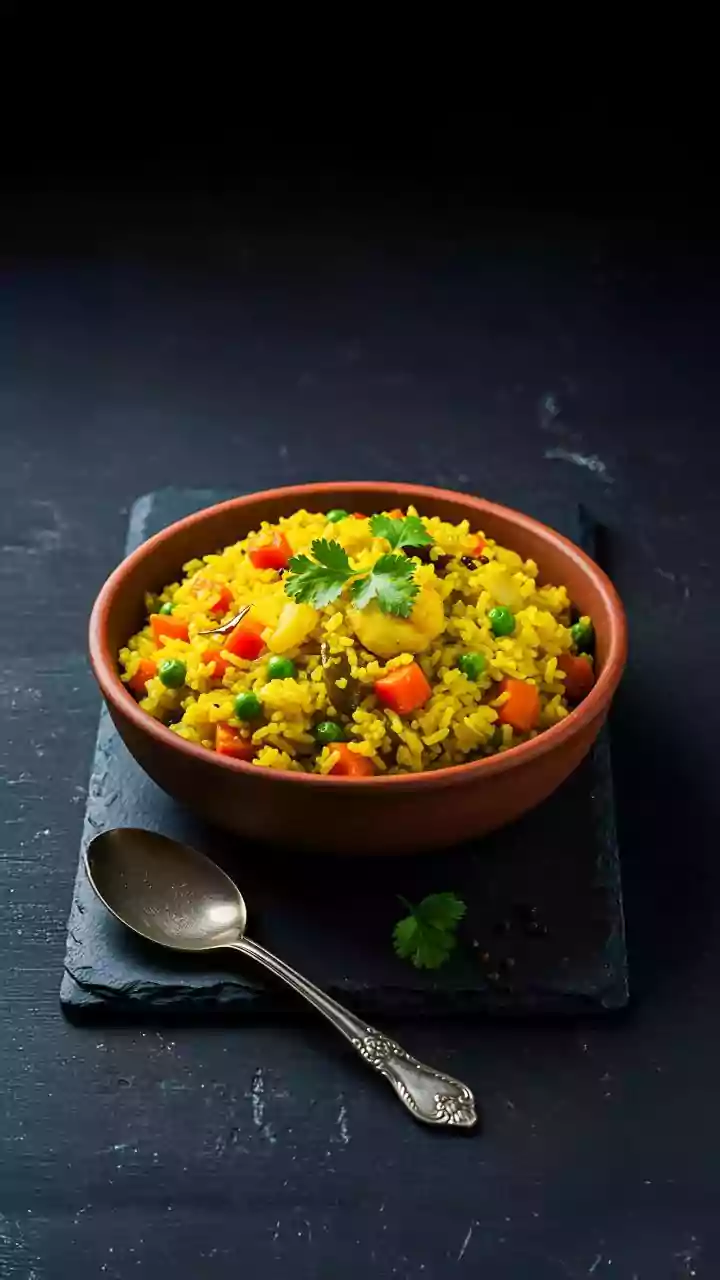
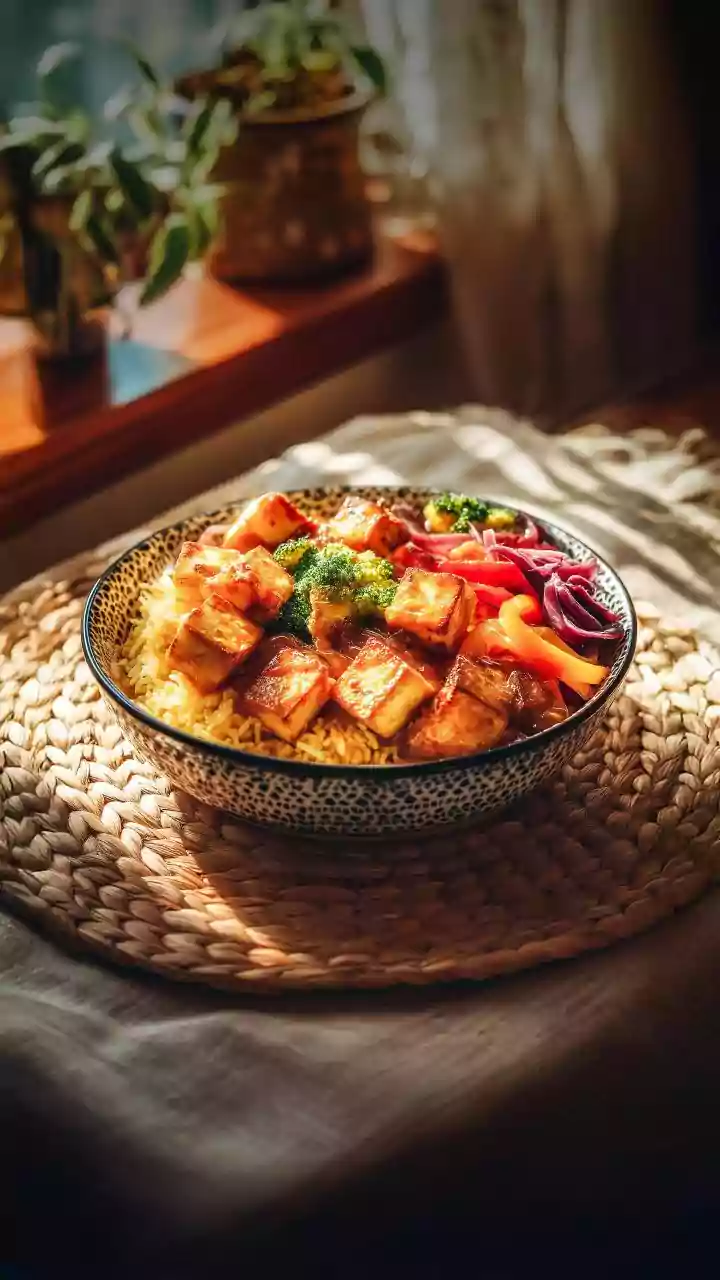

It’s a familiar and delightful experience: the dal or rajma you reheat for lunch tastes richer and more complex than it did fresh from the pot. You aren’t imagining it. There’s real food science behind this delicious 'next-day' effect.
The Magic of Melding Spices
Indian cooking is
an art of layering spices. When you first cook a dish like chana masala or a meat curry, ingredients like ginger, garlic, onions, and a host of ground and whole spices release their aromatic compounds. However, many of these flavours are still distinct. As the dish cools and rests overnight in the fridge, a process called molecular diffusion begins. Flavour compounds from all the different ingredients slowly mingle and spread evenly throughout the gravy. Instead of tasting the sharp note of ginger here and the warmth of cumin there, you experience a single, harmonious flavour profile where everything is perfectly integrated.
Fats and Oils as Flavour Messengers
Fat is the great carrier of flavour in cooking, and this is especially true in Indian cuisine. Many of the most important aromatic compounds in spices like cloves, cinnamon, and cumin are fat-soluble, meaning they dissolve in oil or ghee rather than water. During the initial cooking and 'tadka', these flavours are extracted into the fat. Overnight, that flavour-infused fat doesn't just sit on top; it slowly permeates the entire dish, coating every piece of vegetable, lentil, or meat. This slow infusion ensures that each bite is more consistently and satisfyingly flavourful the next day.
A Mellowing of Sharp Edges
Freshly cooked curries can sometimes have 'sharp edges'—the pronounced tang of tomatoes, the raw heat of chillies, or the pungent bite of garlic can stand out. As the dish rests, these intense notes mellow and become more balanced. Acids soften, the upfront heat of capsaicin (the compound in chillies) integrates into the sauce rather than hitting you first, and the natural sweetness of cooked onions comes forward. The dish doesn't necessarily become milder, but its flavours become more cohesive and well-rounded, creating a deeper and more pleasant taste.
The Transformation of Textures
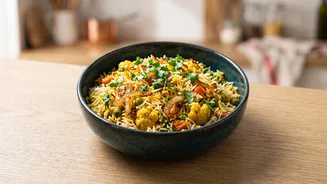
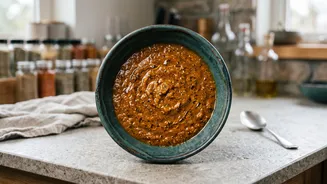
Flavour isn't the only thing that improves; texture undergoes a significant transformation as well. In lentil dishes like dal, starches released during cooking continue to absorb liquid, naturally thickening the gravy and giving it a more velvety, cohesive quality that it may have lacked when fresh. For meat curries, collagen continues to break down into gelatine even after the cooking stops. When cooled, this creates a rich jelly; upon reheating, it melts to give the sauce a silky, satisfying mouthfeel. Even rice in a biryani benefits, undergoing a process called starch retrogradation, which makes the grains firmer and less likely to turn mushy when reheated.
The Best Dishes for a Flavour Encore
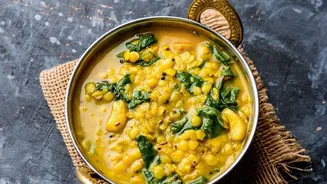
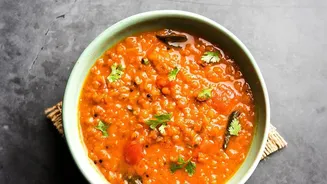
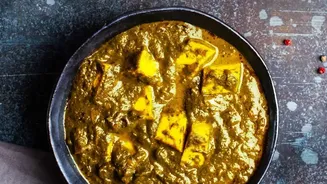
While this magical effect works on many slow-cooked dishes, it's particularly noticeable in Indian cuisine due to the complex spice profiles and wet, gravy-based nature of many recipes. Legume-based dishes like Rajma, Chole, and all varieties of Dal are prime candidates, as the beans and lentils are porous and readily absorb the surrounding flavours. Slow-cooked meat preparations, such as a Rogan Josh or Korma, also benefit immensely as the meat continues to tenderise and absorb the spiced gravy. Layered rice dishes like Biryani are also famously better the next day, as the aromas of saffron, mint, and spices have more time to perfume every single grain.