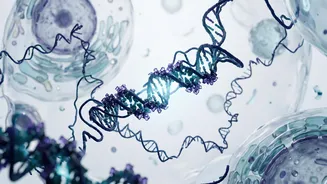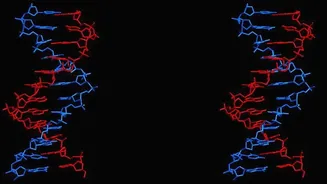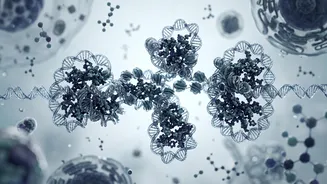







What Exactly is AlphaGenome 2?
Think of AlphaGenome 2 as a hyper-intelligent biologist that can read and interpret the human genome at a level of detail never before possible. While its predecessor, AlphaGenome 1, could predict the effects of genetic mutations on broad tissues, AlphaGenome 2 zooms
in to the level of a single cell. Our bodies contain trillions of cells, and while they all share the same DNA, a heart cell uses a different part of the genetic blueprint than a brain cell or an immune cell. AlphaGenome 2 is designed to understand these subtle, cell-specific differences, predicting how even a tiny change in DNA might affect one specific cell type and not another. It does this by learning from a massive dataset of more than 100 million individual cell profiles.
Decoding the Genome’s ‘Dark Matter’
For decades, scientists have known that only about 2% of our DNA contains the direct codes for making proteins, the building blocks of our bodies. The other 98% was once dismissed as 'junk DNA'. We now know this non-coding DNA is anything but junk; it’s the complex regulatory system, or control panel, that tells genes when and where to switch on or off. This regulation is incredibly important, but understanding how it works—and how mutations in these regions cause disease—has been a monumental challenge. AlphaGenome 2 is a massive leap forward in deciphering this 'dark matter' of the genome, predicting how variants in these regulatory regions impact gene function.
From AlphaFold to the Full Genome
This breakthrough follows in the footsteps of DeepMind's earlier triumph, AlphaFold. AlphaFold solved a 50-year-old problem in biology by accurately predicting the 3D structure of proteins from their genetic sequence. This revolutionised drug discovery by giving researchers a clear view of the protein targets they wanted to influence. AlphaGenome 2 takes the next logical step. Instead of just looking at the proteins, it examines the DNA instructions that control them. By combining insights from both AI models, scientists can get a much more complete picture of how diseases start at the genetic level and manifest through proteins, accelerating the search for new treatments.
Why This is a Breakthrough for Medicine
The implications for medicine are vast. Many complex diseases, from autoimmune disorders to heart conditions and cancers, are linked to tiny variations in non-coding DNA. Previously, pinpointing the exact disease-causing variant was like finding a single faulty wire in a city-sized circuit board. AlphaGenome 2 acts as a sophisticated diagnostic tool, helping researchers identify the most likely causal variants and, crucially, the specific cell types they affect. For example, a recent study showed how a variant linked to Inflammatory Bowel Disease (IBD) overactivates a gene specifically in gut immune cells; this is precisely the kind of discovery AlphaGenome 2 is designed to accelerate.
What Happens Next?
DeepMind has made AlphaGenome 2 available for non-commercial research, allowing scientists worldwide to begin using it for their own work. A key feature is its adaptability; researchers can feed it data from new experiments, and the model can make predictions for cell states it has never seen before, such as cells activated by a disease or a vaccine. In one test, the model correctly distinguished between resting immune cells and those activated by a COVID-19 vaccine, showing how a specific variant had a stronger effect in the activated state. This ability to understand genetic effects in a dynamic, cellular context will be critical for developing the next generation of personalised medicines.