




The Backlash to 'More Is More'
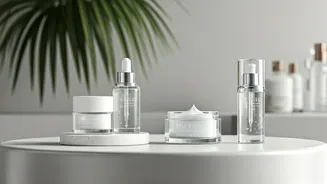
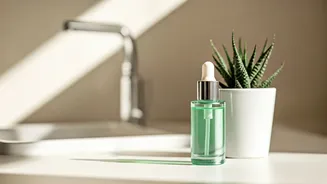
The Korean beauty trend of 'glass skin'—a complexion so luminous and clear it looks like glass—has long been the ultimate skincare goal. For many, however, the pursuit involved a famously long and expensive 10 or 12-step routine. This maximalist approach,
involving layers of cleansers, exfoliants, essences, serums, and masks, has led to what many are calling 'skincare burnout'. Consumers and experts alike began noticing that overloading the skin with too many products and active ingredients was leading to irritation, redness, and compromised skin barriers. In response, a powerful counter-movement has emerged: 'skinimalism'. This philosophy champions using fewer, more effective products, focusing on quality over quantity to achieve skin health without the stress and complexity.
Meet 'Skin Flooding': A Smarter Hydration Technique
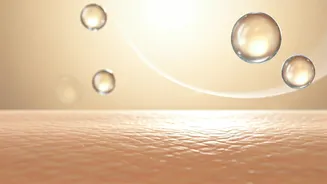
At the heart of this simplified approach is a technique called 'skin flooding'. Gaining viral traction on social media, this method isn't about using a flood of different products, but about strategically layering hydration for maximum absorption. The core principle is simple: apply hydrating products onto damp skin to trap moisture more effectively. Damp skin is more permeable, allowing water-attracting ingredients like hyaluronic acid and glycerin to pull moisture deeper into the skin's layers. The technique typically involves a few key steps performed in a specific order to drench the skin in moisture, seal it in, and leave it looking plump, dewy, and radiant.
Your Four-Step 'Skin Flooding' Ritual
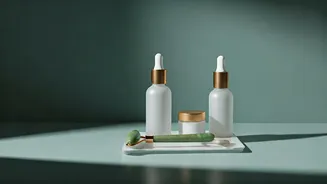
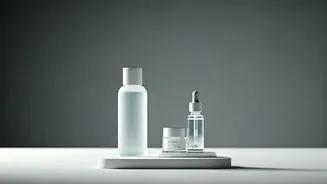
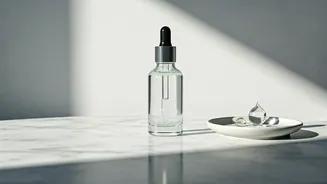
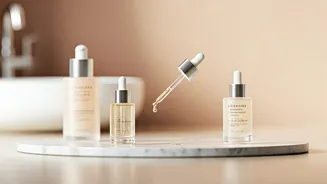
Ready to try it? This simplified routine focuses on the core principles of skin flooding. Start with a gentle cleanser that doesn’t strip your skin of its natural oils. Pat your face partially dry, leaving it feeling damp. The next step is crucial: spritz your face with a hydrating facial mist or apply a watery, alcohol-free toner. While your skin is still wet from the toner, immediately apply a serum rich in humectants. Look for ingredients like hyaluronic acid, glycerin, or sea moss, which act like magnets for moisture. Gently pat the serum into your skin. Don’t wait for it to dry completely. Finish by applying a good-quality moisturiser to lock in all the hydration you’ve just layered on. This final occlusive step prevents water from evaporating, ensuring your skin stays plump and hydrated for longer.
Why This Simpler Approach Works
The benefits of skin flooding and a minimalist routine go beyond saving time and money. By focusing on hydration and barrier support, you reduce the risk of irritation that can come from piling on too many active ingredients. When the skin's moisture barrier is healthy and hydrated, it functions better, appearing smoother and more resilient. This approach can be particularly beneficial for those with dry, dehydrated, or sensitive skin, as it directly addresses tightness and flakiness. It also creates a perfectly smooth and hydrated canvas for makeup, helping foundation glide on without clinging to dry patches. Ultimately, this trend signals a shift from chasing a fleeting, cosmetic look to fostering genuine skin health that glows from within.
Is Skin Flooding Right for Everyone?
While skin flooding is a fantastic technique for those with dry or dehydrated skin, it can be adapted for all skin types. If you have oily or acne-prone skin, you might worry that this much moisture will cause breakouts. The key is to choose your products wisely. Opt for lightweight, non-comedogenic formulas that won't clog your pores. You may also want to limit your skin flooding routine to once a day, preferably at night, or just a few times a week as needed. For those with extremely sensitive skin, it’s always wise to introduce new products one at a time. While the risk of irritation is generally low with gentle, hydrating products, listening to your skin is paramount. If you have persistent skin concerns, consulting a dermatologist can help you tailor any new trend to your specific needs.