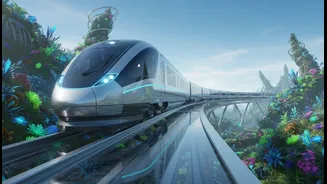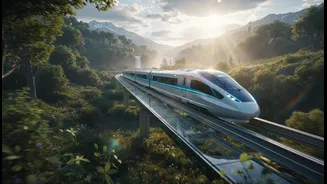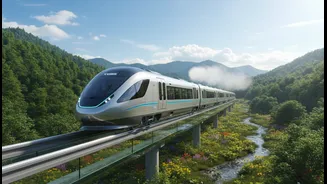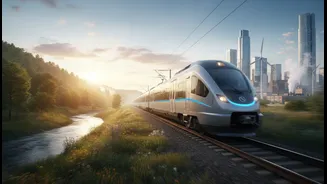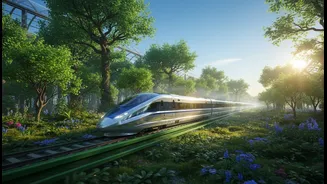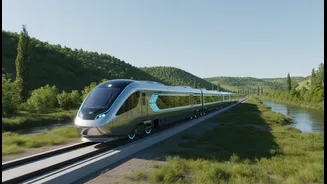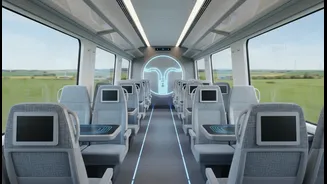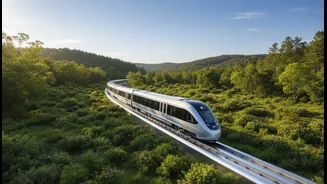





What Exactly Is a Hydrogen Train?
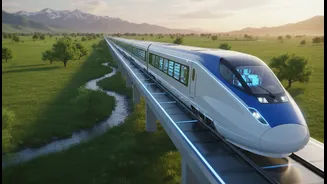
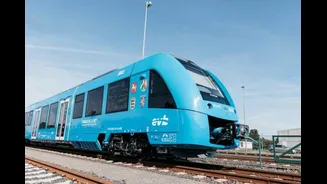
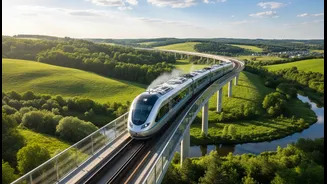
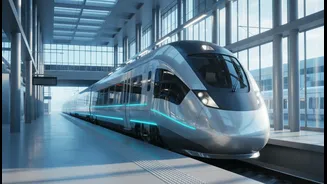
Think of a hydrogen train as an electric train with its own portable power plant. Instead of drawing electricity from overhead wires, it uses hydrogen fuel cells. Inside these cells, hydrogen stored on the train combines with oxygen from the air in a chemical
reaction. This process generates electricity to power the motors, with the only byproduct being pure water vapour and some heat. This means no smoke, no carbon emissions, and a much quieter ride compared to the familiar rumble and chug of a diesel engine. Indian Railways is set to launch the country's first-ever hydrogen train on July 17, 2026, marking a significant step into this green technology.
India’s First Hydrogen Route
The future of this technology is arriving very soon in Haryana. Prime Minister Narendra Modi is expected to inaugurate India's first hydrogen-powered train, which will begin commercial services on the Jind-Sonipat route. This pilot project will see a 10-coach train run two round trips daily, covering the nearly 90-kilometre distance between the two cities. The train itself consists of eight passenger coaches and two power cars, which generate the electricity. To support this, a dedicated hydrogen production and refuelling facility has been built in Jind. While the train has been tested at speeds up to 120 km/h, it will operate at a service speed of 75 km/h for this route.
The Big Question: What About the Cost?
This is where it gets really interesting for students. For the inaugural Jind-Sonipat route, Indian Railways has announced incredibly affordable fares, ranging from just Rs 5 to Rs 25. This makes it a highly cost-effective option. The journey is also expected to take about one hour, which is significantly faster than the two hours it currently takes via the existing diesel train service. While the initial cost to build a hydrogen train and its supporting infrastructure is high—estimated at around Rs 80 crore for the train and Rs 70 crore for ground facilities per route—the long-term operational savings are expected to be substantial. As the cost of green hydrogen production falls, these trains could become even more economical than their diesel counterparts over their lifespan.
A Greener Way to Travel
The 'future-friendly' tag isn't just about cost; it’s about environmental impact. Transportation is a major source of pollution, and traditional diesel trains contribute to that. Hydrogen trains, by producing zero harmful emissions at the point of use, offer a clean alternative. This aligns with India's broader national goals to reduce its carbon footprint and achieve net-zero emissions. For a generation of students increasingly conscious about climate change, choosing a mode of transport that doesn't pollute the air is a powerful statement. The launch of the hydrogen train service is a key part of the Indian government's Green Transport Mission.
When Can We Expect a Wider Rollout?
The Jind-Sonipat line is a pilot project. Its success will determine how and when hydrogen trains are introduced on other routes across the country. Initially, the focus might be on heritage routes like the Kalka-Shimla line or other non-electrified sections where laying overhead power lines is difficult or expensive. While the first train is just days away from its launch, it will likely take several years before hydrogen rail becomes a common sight across the vast Indian Railways network. The government's National Green Hydrogen Mission aims to scale up production and bring down costs by 2030, which will be crucial for wider adoption. For now, the first step in Haryana is a landmark moment, showcasing an indigenously developed technology that puts India in a select group of nations pioneering this futuristic form of transport.