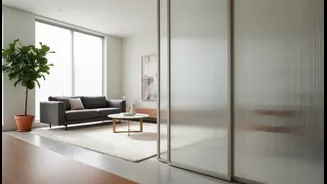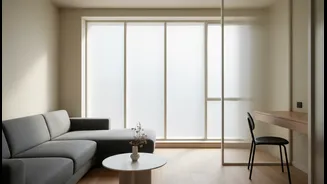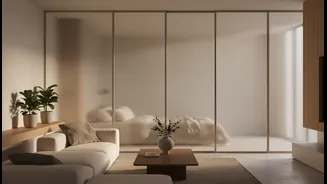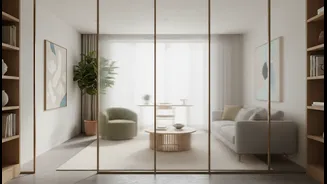




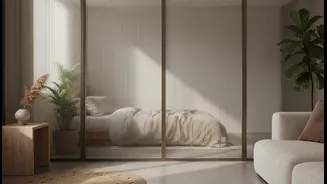


The Allure of Fluted Glass
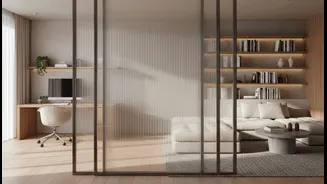
Also known as reeded or ribbed glass, fluted glass is defined by its distinct vertical grooves. This texture adds a sophisticated, decorative element to any space, from mid-century to modern minimalist. In compact homes, its greatest strength is its ability
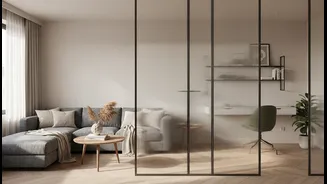
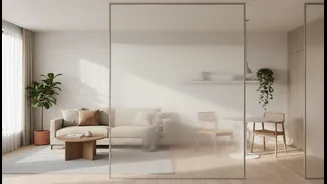
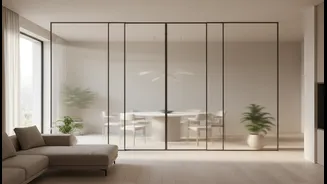
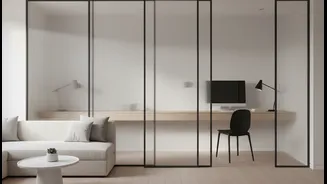
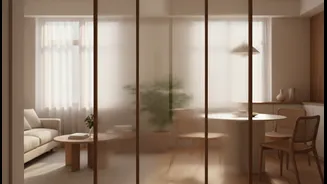
to transmit and diffuse light. Using fluted glass for partitions, internal doors, or cabinet fronts allows natural light to flow between rooms, making small spaces feel larger and more open without sacrificing a sense of separation. The soft, scattered light reduces glare and creates an inviting ambiance.
Daytime Privacy: A Clear Winner
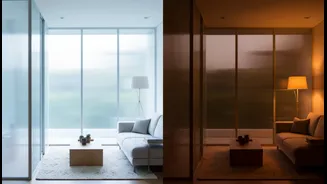
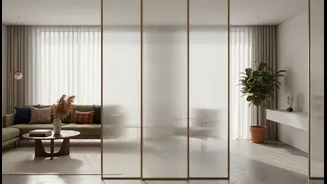
During the day, when the light outside is brighter than the light inside, fluted glass is a privacy champion. The vertical ribs distort the view, obscuring clear shapes and details of what lies behind. Someone looking in from the outside will see only blurred silhouettes and colours, while the interior remains brightly lit. This makes it an excellent choice for bathroom windows, front doors, or partitions facing common areas where you want to maintain brightness while preventing prying eyes. It strikes a perfect balance, offering concealment without the heavy, light-blocking effect of curtains or solid walls.
The Night-Time Privacy Challenge
The situation reverses dramatically at night. When you turn on your lights and it's dark outside, the light balance shifts. Your brightly lit interior makes it much easier for someone outside to see in. This is often called the "fishbowl effect." While the fluted texture still provides some distortion, it is significantly less effective. Shapes and movements become more discernible, and the sense of privacy is greatly diminished. This is a critical consideration for any glass, but particularly for decorative glass chosen for its semi-private qualities. Unlike fully frosted or opaque glass, which provides consistent obscurity, fluted glass's privacy level is highly dependent on the lighting conditions.
How to Maximise Privacy at Night
To enjoy the beauty of fluted glass without compromising night-time privacy, a layered approach is best. The most effective solution is to pair your fluted glass installations with a secondary window treatment. For windows and glass doors, consider installing curtains, blinds, or shades that can be drawn after dark. This gives you the best of both worlds: diffused natural light during the day and complete privacy when you need it. Another factor is the glass specification itself. Fluted glass is available with different groove widths and depths; wider, deeper flutes generally offer more obscurity. Some variants also come in tinted or frosted finishes, further enhancing privacy levels day and night.
Smart Placement in Compact Homes
In a compact home, strategic placement is key. Use fluted glass for interior applications where night-time privacy is less of a concern. For instance, it's perfect for shower screens (inside a lockable bathroom), cabinet doors, or partitions separating a kitchen from a utility area. A fluted glass partition between a living area and a home office nook can hide clutter while sharing light. For walk-in wardrobes or pantries, it conceals the contents while adding a touch of elegance. By thoughtfully considering the location and its primary function, you can leverage the aesthetic and light-enhancing benefits of fluted glass while mitigating its limitations for evening privacy.