








The New Face of 'Guilt-Free' Snacking
The language of snacking is changing. Where packages once simply read 'crispy' or 'tasty,' they now boast labels like 'no added sugar,' 'keto-friendly,' and 'plant-based sweetness.' This shift is a direct response to a growing wave of health-conscious
Indian consumers who are scrutinising labels and rethinking their relationship with sugar. Recent studies show that a majority of Indian snackers are paying closer attention to ingredients, with over 60% preferring snacks sweetened with natural alternatives like dates or jaggery over refined sugar. Brands are listening, launching products designed to bridge the gap between health and indulgence. Companies like ITC have rolled out sugar-free cookie lines, explicitly targeting this demand for 'mindful snacking' without compromising on taste.
Meet the Sweetener A-List
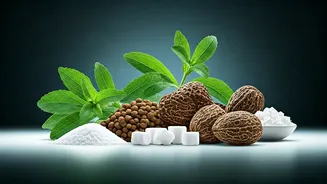
At the heart of this trend are a few key players. Stevia, a plant-based, zero-calorie sweetener, is a frontrunner, praised for not spiking blood sugar levels, making it a popular choice for people managing diabetes or their weight. Then there's monk fruit, another natural, zero-calorie option that gets its sweetness from antioxidants called mogrosides. It's often favoured for having less of the bitter aftertaste some people associate with stevia. Other names gaining traction include erythritol, a sugar alcohol that provides bulk and texture similar to sugar, and allulose, a 'rare sugar' that has minimal calories and blood sugar impact. While traditional alternatives like jaggery and dates remain popular, these high-intensity, non-nutritive sweeteners are enabling a new category of processed snacks.
Why Now? The Drive for Healthy Indulgence
This movement isn't happening in a vacuum. It's fueled by a broader cultural shift towards wellness and preventative health, accelerated by rising rates of diabetes and obesity in India. Consumers are more informed and intentional than ever, actively seeking functional foods that do more than just satisfy a craving. A recent report highlighted that 86% of Indian consumers consider protein an important factor when choosing snacks, and a significant number are willing to pay more for healthier options for their children. The popularity of low-carb and ketogenic diets has also created a dedicated market for products that deliver on taste without the sugar load. Ingredient transparency is now a key factor for brand trust, far outweighing celebrity endorsements.
Not All Sweetness Is Created Equal
While these sweeteners offer clear benefits for calorie and sugar reduction, the experience isn't always a perfect one-to-one replacement for sugar. Taste is a major factor; some sweeteners, particularly stevia, can have a lingering aftertaste that brands work hard to mask. Digestive tolerance can also be an issue for some, especially with sugar alcohols like erythritol, which may cause bloating if consumed in large quantities. Furthermore, many 'sugar-free' products are blends of multiple sweeteners to achieve the right taste and texture, and consumers are increasingly demanding transparency about what's in their food. While regulatory bodies have generally recognized these sweeteners as safe, ongoing research continues to explore their long-term metabolic effects.