






Meet Your Body's Internal Clock
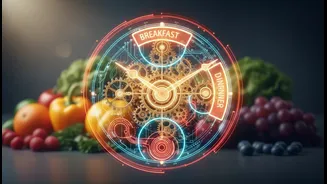
Our bodies run on a 24-hour internal clock known as the circadian rhythm. This master clock, located in the brain, orchestrates countless processes, from our sleep-wake cycle to hormone release and metabolism. But it's not just our brain that has a clock;
our organs do, too. The digestive system, including the gut, has its own daily rhythm, which is designed to be most active during the day and slow down for rest and repair at night. This field of study, called chrononutrition, explores how aligning our eating patterns with these natural cycles can significantly impact our well-being.
How Your Gut Follows a Rhythm
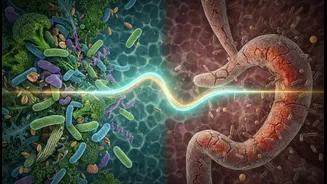
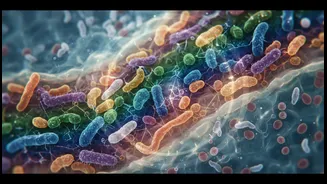
Your gut is a bustling ecosystem, and its activity peaks during daylight hours. This is when it is most efficient at digesting food, absorbing nutrients, and managing blood sugar. The trillions of microbes in your gut—the microbiome—also follow a circadian rhythm. During the day, they are primed to help break down the food you eat. At night, their focus shifts to essential housekeeping tasks, like repairing the gut lining and producing beneficial compounds that reduce inflammation. Disrupting this cycle with irregular eating patterns or late-night meals can throw this delicate system out of balance, a state known as dysbiosis.
The Trouble with a Heavy Dinner
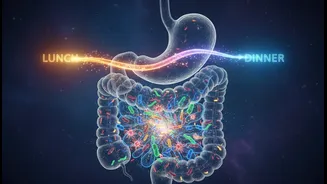
Eating a large meal late in the evening forces your digestive system into high gear when it should be winding down. Instead of performing its overnight repair duties, your gut has to work overtime to process food. Research suggests this can lead to several issues. It may interfere with the gut’s repair processes, alter the balance of good and bad bacteria, and increase intestinal permeability, sometimes referred to as 'leaky gut'. Studies have also linked late-night eating, especially when combined with stress, to a higher likelihood of digestive problems like constipation and diarrhea. This happens because the timing of meals can intensify how stress impacts the crucial communication network between your gut and brain.
Making Lunch the Main Event
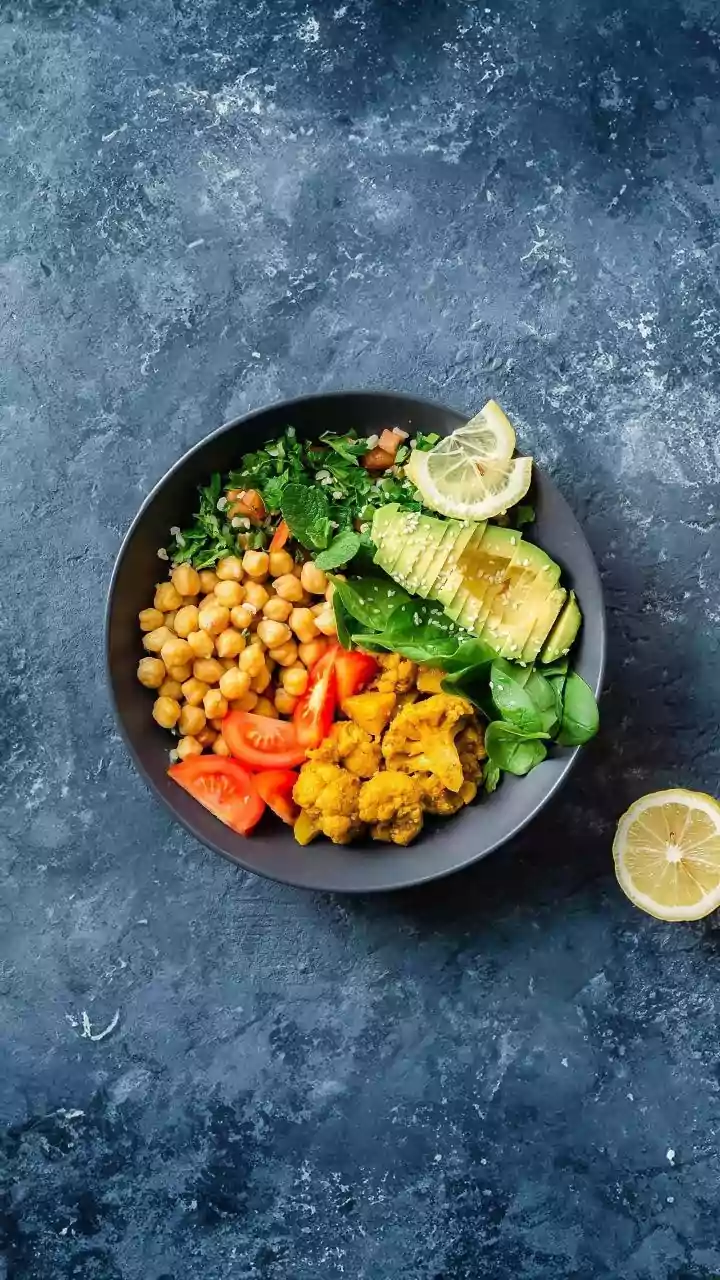
Front-loading your calories—making lunch your largest meal—works in harmony with your body’s natural metabolic peak. Your system is more prepared to handle a substantial meal at midday. Studies show that the body's ability to process carbohydrates and its sensitivity to insulin are higher during the day, which helps in better blood sugar management. By consuming the bulk of your calories when your digestion is at its most efficient, you provide your gut with the fuel it needs at the right time. This allows it to complete the hard work of digestion during the day, leaving the night free for the vital processes of rest, repair, and rejuvenation for the gut lining and microbiome.
How to Make the Shift in India
Shifting the main meal from dinner to lunch can feel like a major cultural adjustment, especially when evening meals are a time for family bonding. The key is to make gradual, sustainable changes. You don't have to give up family dinners. Instead, try reframing them. Make lunch a more robust, nutritionally complete meal. You can use leftovers from a well-planned dinner for a substantial lunch the next day. Then, transition your evening meal to be lighter and easier to digest. Think soups, simple dal with a small portion of rice, or lightly cooked vegetables. The goal isn't to be restrictive but to be more intentional about timing, working with your body's natural rhythm rather than against it.