






Beyond Just 'Junk Food'
The term ultra-processed food, or UPF, can be confusing. It doesn’t just mean snacks and sweets. The category, defined by a system called NOVA, includes industrially formulated products with five or more ingredients, often containing additives like colours,
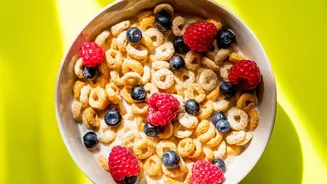
emulsifiers, and artificial flavours not used in home cooking. These can range from packaged breads and sugary cereals to ready-to-eat meals and fizzy drinks. For decades, the primary concern was their poor nutritional profile—high in salt, sugar, and unhealthy fats while being low in fibre and vitamins. This understanding, however, is now proving to be an incomplete picture. The conversation is shifting from viewing these items as merely 'junk food' to examining them as a distinct category whose production methods may pose unique health risks, regardless of the nutrients listed on the label.
The Latest Findings: A Cascade of Risks
Recent large-scale reviews have synthesized data from millions of people, painting a stark and consistent picture. One major umbrella review published in The BMJ found that high consumption of UPFs is associated with an increased risk of 32 different damaging health outcomes. The evidence is strongest—rated as “convincing”—for a roughly 50% increased risk of cardiovascular disease-related death, a 48% to 53% higher risk of anxiety and common mental disorders, and a 12% greater risk of type 2 diabetes. Furthermore, highly suggestive evidence points to a 21% greater risk of death from any cause and a 40% to 66% increased risk of heart disease-related death, obesity, and sleep problems. These findings move the discussion beyond correlation to a strong signal of widespread physiological harm.
How Are These Foods Causing Harm?
The most significant development is the focus on the 'how'. Scientists are now investigating mechanisms that go beyond nutritional content. One leading theory is that industrial processing fundamentally alters the physical structure of food, making it easier to eat quickly and over-consume before the body’s satiety signals can kick in. Another area of intense research involves additives. Emulsifiers and other substances, while approved as safe, may disrupt the gut microbiome, the community of bacteria essential for health. This can lead to chronic, low-grade inflammation, which is a known driver of many chronic diseases. Some studies have even identified a potential link between UPF consumption and elevated inflammatory markers in the blood. Researchers are also exploring how industrial formulations, designed to be hyper-palatable, may hijack the brain's reward pathways in a manner similar to addictive substances, making it difficult for people to moderate their intake.
The Bigger Picture: Choice vs. Environment
This new depth of evidence is pushing the conversation from the realm of individual responsibility toward a public health perspective. With UPFs accounting for more than half of the average diet in countries like the UK and US, and their consumption rapidly rising in India and other middle-income nations, experts argue that simply telling people to 'make better choices' is not enough. The food environment itself, dominated by inexpensive, heavily marketed, and convenient UPFs, makes avoiding them a significant challenge. As a result, many scientists and public health bodies are now calling for policy interventions. These could include clearer front-of-pack labelling, restrictions on marketing to children, and subsidies for fresh, minimally processed foods to make healthier options the easier choice, not the harder one. The problem, they argue, is systemic and requires systemic solutions.