




Beyond the Usual Suspects
For years, Goa was the default destination for anyone in India looking to swap their office desk for a beachside shack. But as it becomes more crowded and expensive, a growing tribe of digital nomads is looking elsewhere. They're seeking destinations
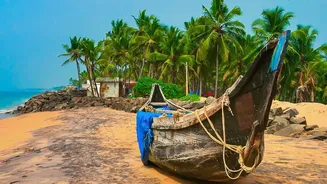
that offer the holy trinity of remote work: affordability, reliable internet, and a great quality of life. Enter Varkala in Kerala and Gokarna in Karnataka. These coastal towns, once sleepy pilgrimage spots or quiet backpacker secrets, are rapidly gaining a reputation as idyllic, budget-friendly havens for those who can work from anywhere. The appeal isn't just about escaping the crowds; it's about finding a more authentic and sustainable work-life balance.
The Unbeatable Allure of the Cliff
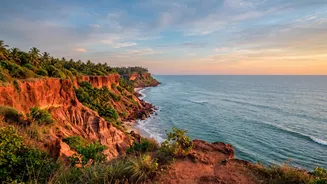
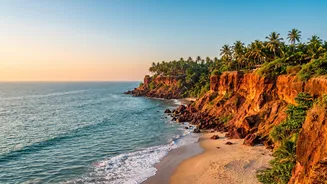
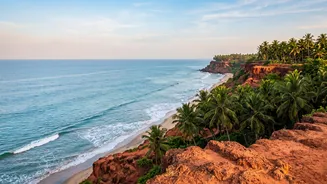
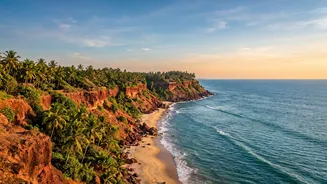
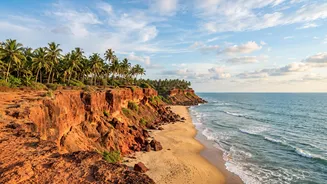
The single most dramatic feature of both towns is their unique topography. Varkala's North Cliff is a stunning stretch of red laterite rock that towers over the Arabian Sea, the only place in southern Kerala where this occurs. This natural promenade is lined with cafes, guesthouses, and yoga studios, all offering panoramic ocean views that serve as the ultimate video call background. Gokarna, while more rustic, offers a similar cliffside experience around its main beaches like Kudle and Om. The ability to live and work in a simple guesthouse perched on a cliff, with the sound of waves as your constant soundtrack, is a powerful draw that manicured co-working spaces in big cities simply cannot replicate.
A Lifestyle That’s Light on the Wallet
Perhaps the most compelling reason for the influx of nomads is the sheer affordability. While costs in Varkala's main cliff area can be higher than in the rest of the town, they are still significantly lower than in many other global or Indian hotspots. Basic guesthouse rooms or hostel beds can be found for well under ₹1500 a night, with substantial discounts for weekly or monthly stays. Gokarna is generally considered even cheaper, with basic huts available for as little as ₹800-₹1200 per night. Food is similarly inexpensive, especially if you eat at local spots away from the main tourist drag. This low cost of living allows nomads to extend their stays, reduce financial stress, and invest more in experiences.
Varkala vs. Gokarna: A Tale of Two Vibes
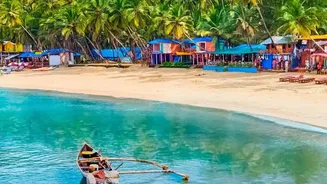
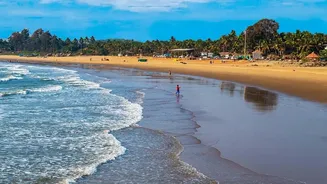
While often mentioned together, the two towns offer distinct experiences. Varkala is more developed and cosmopolitan, with a strong focus on wellness. It's a hub for yoga, surfing, and Ayurvedic treatments, attracting a 'flashpacker' crowd that appreciates a good cappuccino and reliable Wi-Fi alongside their spiritual pursuits. The social scene is vibrant and easy to plug into through the many cafes and classes. Gokarna, often described as 'Goa twenty years ago,' retains a more rustic, laid-back charm. It's quieter and less commercial, appealing to those seeking focus, solitude, and a digital detox, even while working. The infrastructure is less developed, but its untouched beaches and tranquil atmosphere are a major draw for creatives and writers.
Is the Connection Strong Enough?
The critical question for any digital nomad is connectivity. While not on par with metropolitan hubs, the internet infrastructure in both Varkala and Gokarna has improved significantly. Most guesthouses and cafes offer Wi-Fi with speeds ranging from 10 to 50 Mbps, generally sufficient for emails and video calls. However, power cuts can be an issue, especially during monsoon season. The universal advice from seasoned nomads is to always have a backup. A local SIM card from a provider like Jio or Airtel with a generous data plan is considered an essential part of the toolkit to ensure you can stay connected even when the local Wi-Fi drops.