


More Than Just a Landing Site
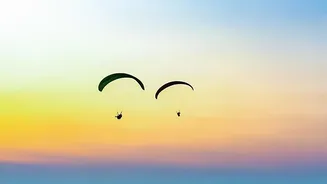
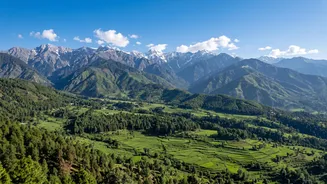
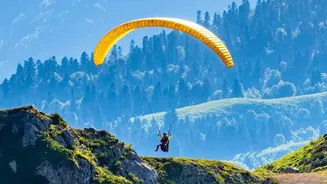
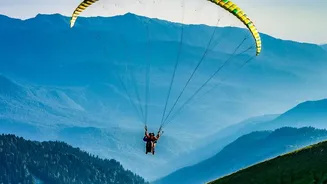
For years, Bir Billing was synonymous with one thing: paragliding. It's known as one of the best sites in the world for the adventure sport, drawing thrill-seekers who would fly and leave. But a different kind of visitor has started to put down roots.
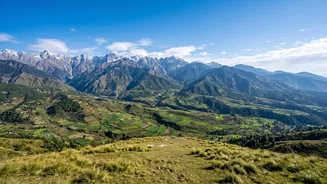
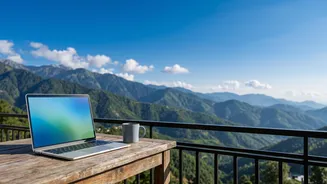
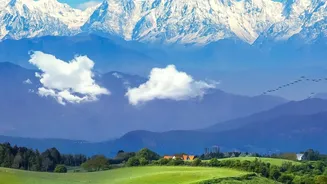
Young remote workers, freelancers, and entrepreneurs are discovering that the very things that make Bir a great place to fly—open skies, a relaxed pace, and a stunning natural backdrop—also make it an exceptional place to work. The town's identity is shifting from a weekend adventure hub to a long-stay sanctuary for those looking to blend productivity with peace. This gradual transformation is turning Bir into a vibrant hub for a new generation of professionals who value lifestyle as much as their career.
The Perfect Work-Life Cocktail
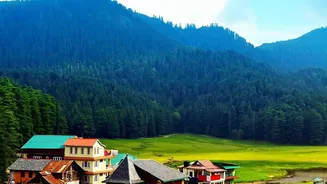
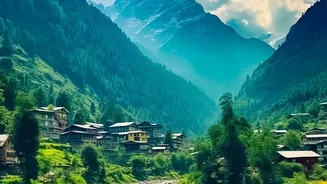
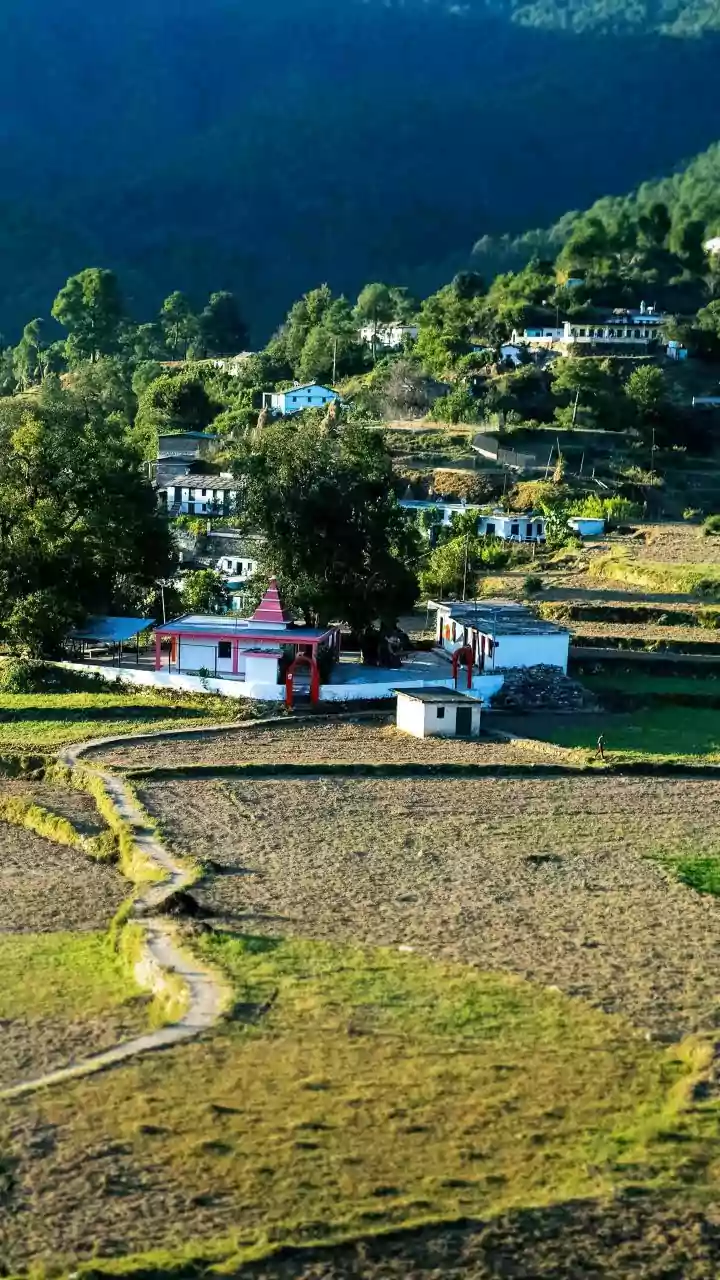
What exactly is Bir’s secret sauce? It’s a carefully balanced mix of modern infrastructure and authentic mountain calm. Unlike many traditional hill stations that have become overcrowded and commercialized, Bir retains a sense of tranquility. The town is divided into distinct areas: the Tibetan Colony with its serene monasteries and authentic food, the main village of Chaugan with its bustling cafes, and the paragliding landing site, which doubles as a social hub for watching sunsets. This layout allows workationers to choose their vibe—a quiet corner for focused work or a lively cafe to network. The community is a major draw, comprising a mix of digital nomads, artists, and wellness practitioners, fostering an environment of creativity and collaboration that is hard to find in more tourist-focused destinations.
Ready for Remote Work
The romantic idea of working from the mountains often crashes against the reality of poor internet. Bir, however, has risen to the challenge. The town boasts a surprisingly robust digital infrastructure, with numerous cafes and dedicated coworking spaces offering reliable high-speed fiber internet. Establishments like Garden Cafe, Avva's Café, and Silver Linings are known hotspots for remote workers, providing not just Wi-Fi and power sockets but also a community atmosphere. Hostels and co-living spaces like Zostel, The Hosteller, and Bir Nest have also tailored their offerings for digital nomads, providing stable internet, power backups, and comfortable workstations, ensuring that a Zoom call won't drop mid-meeting. This focus on connectivity makes it a practical choice, not just a scenic one.
An Affordable Mountain Lifestyle
For young professionals, budget is a key consideration. A major advantage Bir has over its more established counterparts is affordability. The cost of living is significantly lower, making long-term stays financially viable. Accommodation options range from budget-friendly hostel dorms, which can cost as little as ₹8,000 per month, to private rooms in guesthouses and homestays that are still more economical than hotels in larger hill stations. Food is another area where costs are low, with a wide variety of options from inexpensive Tibetan meals in the colony to reasonably priced cafe fare. This affordability allows workationers to stay for weeks or even months, long enough to settle into a routine and truly experience mountain life without financial strain.
Life Beyond the Laptop
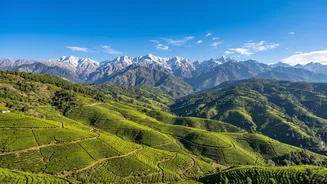
A successful workation isn't just about work; it's about the '-ation'. After shutting the laptop, Bir offers a wealth of activities that cater to a generation focused on wellness and experiences over simple sightseeing. Beyond the obvious thrill of paragliding, one can explore numerous Buddhist monasteries, attend meditation workshops at the Deer Park Institute, or hike to hidden waterfalls like Bangoru. The landscape is perfect for mountain biking, leisurely walks through tea gardens, and exploring nearby villages. Evenings are often spent at the landing site, a communal space where people gather to watch the final paragliders descend against a dramatic sunset. This emphasis on mindful recreation and community provides a holistic and recharging experience that frantic, checklist-driven tourism often lacks.