



Why The Skillet Is Your Secret Weapon
Traditionally, naan is slapped onto the searingly hot clay walls of a tandoor oven, which can reach temperatures over 480°C. This intense, even heat cooks the bread in minutes, creating its signature charred spots and pillowy texture. While a home oven can't
replicate this, a heavy-bottomed skillet, especially a cast-iron tawa, is an excellent alternative. When preheated properly over a high flame, the skillet provides the direct, blistering heat needed to make the dough puff up dramatically, forming those coveted air bubbles and a tender crumb. The key is getting the pan very hot before the dough even touches it.
Crafting the Perfect Naan Dough
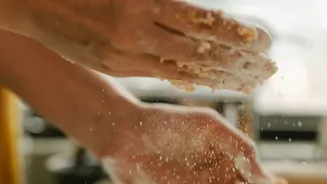
The soul of a good naan is its dough. A great naan dough should be soft, pliable, and slightly sticky. Most recipes start with all-purpose flour (maida), salt, and a leavening agent like yeast or baking powder. The crucial ingredients for tenderness are plain yogurt and a fat like oil or ghee. Yogurt provides a subtle tang and keeps the dough incredibly soft. To begin, activate yeast in warm water with a pinch of sugar. In a large bowl, combine your flour and salt, then add the activated yeast mixture, yogurt, and oil. Knead for 5 to 10 minutes until you have a smooth, elastic ball. Place the dough in a greased bowl, cover it, and let it rise in a warm spot for at least an hour, or until it has doubled in size.
The Irresistible Garlic Topping
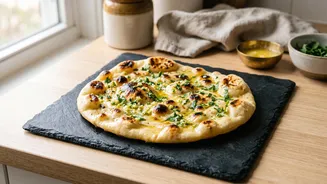
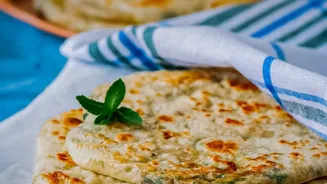
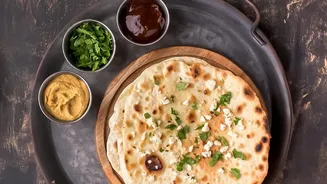
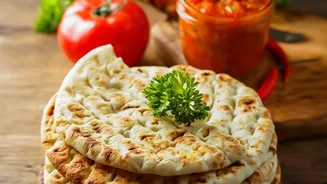
What's garlic naan without its fragrant, buttery topping? This step is simple but essential. Finely chop a generous amount of fresh garlic and mix it with fresh, chopped coriander leaves. For the best flavour, you’ll also want to melt some butter or ghee to brush over the top as soon as the naan comes off the heat. Some recipes call for pressing the raw garlic and coriander into the dough before cooking. To do this, after you roll out your naan, sprinkle the garlic-coriander mixture over the surface and gently press it in with your hands or a rolling pin. This infuses the flavour directly into the bread as it cooks.
The Tawa-to-Flame Cooking Technique
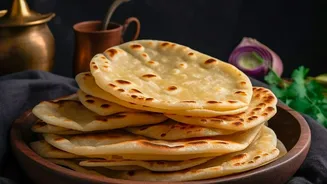
This is where the magic happens. Divide your rested dough into equal-sized balls. Roll one ball into a thin oval or teardrop shape. Now for the trick that makes it stick: lightly brush one side of the naan with water. Place the naan, water-side down, onto your preheated hot tawa. The moisture helps it adhere to the pan, mimicking how it sticks to a tandoor wall. Cook for a minute or two until large bubbles appear on the surface. Then, if you have a gas stove, carefully pick up the tawa by its handle and flip it upside down, exposing the top of the naan directly to the flame. Cook for another 30-60 seconds, moving it around to get an even char, until you see golden-brown and blackened spots. If you don't have a gas stove, simply flip the naan in the pan and cook the other side.
Achieving Soft and Pillowy Results
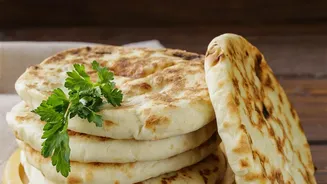
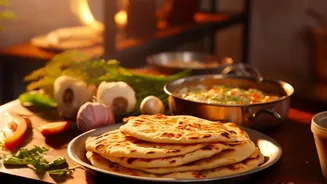
To ensure your naan is perfect every time, keep a few things in mind. First, don't make the dough too stiff; a softer, slightly sticky dough yields a fluffier naan. Second, ensure your tawa is extremely hot before you start—a drop of water should sizzle and evaporate instantly. Once cooked, immediately brush the hot naan generously with your melted garlic butter. This not only adds incredible flavour but also keeps the bread soft. Finally, stack the cooked naans and keep them wrapped in a clean kitchen towel while you cook the rest. This traps the steam and ensures they all stay warm and pliable until you're ready to serve.