







More Than Just Second-Hand
In India, the concept of buying pre-owned clothes is undergoing a major rebranding. For generations, it was associated with necessity or hand-me-downs. Today, for a growing number of young people in cities like Mumbai, Delhi, and Bengaluru, it's a conscious
choice known as 'thrifting'. This isn't just about saving money; it’s a culture driven by a desire for sustainability and individuality. Young shoppers are turning to curated online platforms, especially Instagram stores, to find unique vintage pieces that tell a story—a stark contrast to the mass-produced items found in mainstream retail. This shift represents a move towards 'slow fashion', valuing quality and uniqueness over fleeting trends.
The Pushback Against Fast Fashion
The rise of thrifting is intrinsically linked to a growing awareness of fast fashion's dark side. The global fashion industry is a major polluter, responsible for staggering amounts of water consumption, greenhouse gas emissions, and textile waste annually. In India, the textile sector is the third-largest source of dry waste, with millions of tonnes of clothing ending up in landfills each year. Many young consumers, armed with this knowledge, are rejecting the 'buy, wear, and toss' model. They see thrifting as a practical way to reduce their carbon footprint and protest an industry that promotes overconsumption. For them, buying a pre-loved garment is a vote against waste and an embrace of a more circular economy.
The Digital Thrift Bazaar
Social media, particularly Instagram, has become the primary marketplace for this movement in India. Hundreds of online thrift stores have emerged, each with its own curated aesthetic. Sellers, often young entrepreneurs themselves, source clothing from local markets, export surplus consignments, or even their own closets. They then style, photograph, and sell these items through 'drops' on their Instagram pages, creating a sense of urgency and excitement. Pages like Bombay Closet Cleanse, Curated Findings, and Panda Picked have gained massive followings by offering everything from vintage denim to quirky Y2K tops and branded streetwear at a fraction of the original price. This digital ecosystem has made thrifting accessible, trendy, and community-driven.
A Quest for Uniqueness
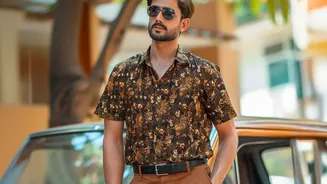
Beyond the environmental appeal, thrifting is a powerful tool for self-expression. In a world dominated by fast-fashion giants that sell identical outfits to millions, young Indians are craving originality. Thrifted clothes offer a way to build a personal style that stands out. Finding a rare graphic tee, a vintage jacket, or a one-of-a-kind dress feels like a treasure hunt. This search for unique items is a rejection of cookie-cutter trends and a celebration of individuality. For many, fashion is a form of identity, and thrifting allows them to create a wardrobe that is truly their own, piece by unique piece, without being dictated by mainstream stores.
The Challenges of the Hunt
While the trend is booming, it is not without its challenges. The life of a thrift store owner is often a precarious hustle, dependent on unpredictable social media algorithms for visibility and sales. Sellers face risks in sourcing inventory and dealing with online scams like fake payments. For buyers, the experience can be a gamble; sizing is inconsistent, quality can vary, and the most coveted items sell out in seconds. Despite this, the movement's momentum is undeniable. It reflects a deeper shift in the values of a generation that is increasingly looking for authenticity and purpose in their consumption habits.