

A New Skill for a New Era
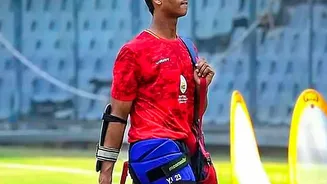
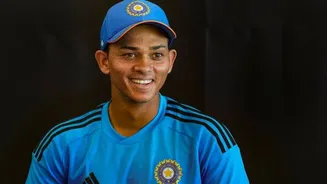
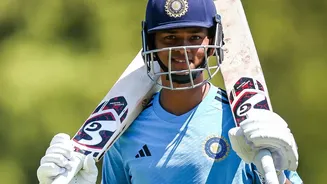
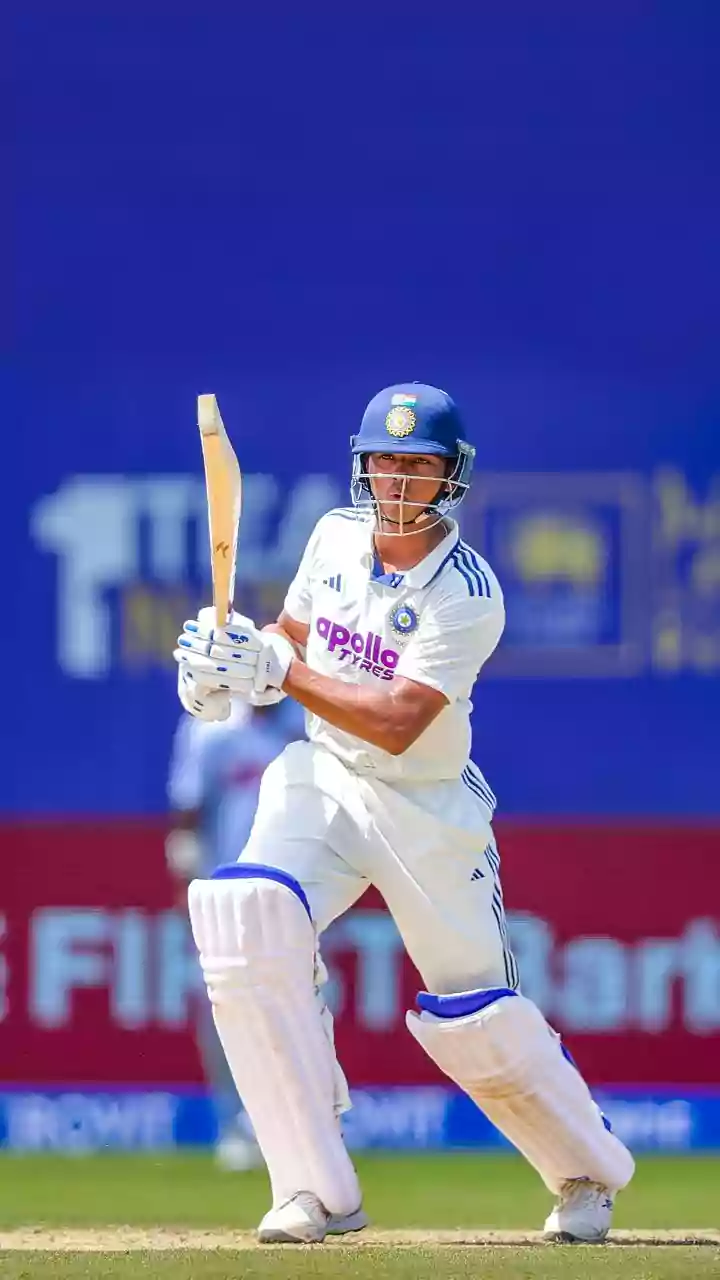
Yashasvi Jaiswal, already established as a formidable opening batsman for India, has been spotted honing a new craft: wicketkeeping. Ahead of Mumbai's Ranji Trophy opener on October 11, the 24-year-old was seen diligently practicing with the big gloves,
a move confirmed by his Mumbai captain, Siddhesh Lad. Lad revealed that Jaiswal is keen to add another dimension to his game, with an eye on possibly keeping for Mumbai and even India in the future. While the move is still in its nascent stages—Jaiswal is reported to have kept for about 10 overs in a practice match—it signals a clear and strategic intent from the young star. This isn't just about picking up a hobby; it's a calculated decision in a landscape where multi-skilled players are fast becoming indispensable.
The 'Why' Behind the Gloves
The question on every fan's mind is 'why?'. The answer lies in the intense competition for spots in India’s white-ball teams and the immense value a wicketkeeper-batsman provides. In modern limited-overs cricket, a player who can keep wickets and bat in the top order is worth their weight in gold. This dual ability allows the team to play an extra specialist batsman or bowler, providing crucial team balance and flexibility. Players like KL Rahul have demonstrated the value of this role, successfully transitioning into a middle-order keeper-batsman, which has significantly enhanced his importance to the team structure. For Jaiswal, who is a left-handed opener, adding wicketkeeping to his repertoire could make him a near-irresistible option for selectors, particularly when looking ahead to a major tournament like the 2027 ODI World Cup.
The Crowded Top Order
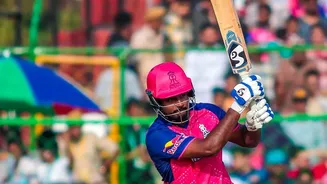
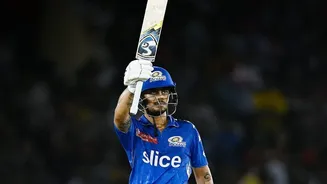
Jaiswal’s decision is also a pragmatic response to the sheer volume of talent vying for opening and top-order positions in Indian cricket. While he has cemented his place in Tests, the white-ball format is a different beast. He faces stiff competition from a host of players. One of his direct competitors is Ishan Kishan, another left-handed, aggressive opener who is also a seasoned wicketkeeper. Kishan’s existing skillset is a template for the modern, versatile cricketer that team managements covet. Beyond him, players like Sanju Samson, another wicketkeeper-batsman, are constantly in the mix, not to mention the established superstars. By developing a secondary skill, Jaiswal is not just competing on runs alone; he is competing on utility and strategic value, future-proofing his career against the next wave of talent.
A Long-Term Vision for 2027
The 2027 ODI World Cup might seem distant, but for ambitious players and team management, the planning is already underway. Building a squad for a World Cup is a multi-year process of identifying roles, testing combinations, and grooming players. Jaiswal's move to start practicing wicketkeeping now, three years ahead of the tournament, shows remarkable foresight. Learning a skill as technically demanding as wicketkeeping at the highest level is no small feat, a point raised by former cricketer Wasim Jaffer, who questioned the move. However, this long-term approach gives Jaiswal ample time to become proficient without the immediate pressure of performing the role in an international match. It’s a low-risk, high-reward strategy. If he succeeds, he presents the selectors with a unique and powerful option. If not, he remains one of the country's most dynamic opening batsmen.