



Why Car Prices Are on the Rise Again
Tata Motors has stated that the price revision is necessary to partially offset the impact of rising input costs and sustained inflationary pressures. This is not an isolated event but part of a broader industry trend. Carmakers have been grappling with
higher costs for raw materials like steel and copper, increased operational expenses, and global economic uncertainties. In fact, this is Tata's third price increase in 2026, following similar moves by competitors like Maruti Suzuki and Hyundai, who have also raised prices multiple times this year for the same reasons. The company has clarified that while it is absorbing a significant portion of the cost increases, a part of the impact must be passed on to customers.
Which Models Are Affected?
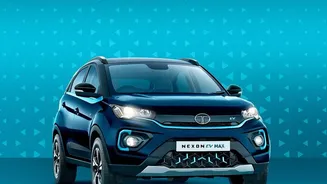
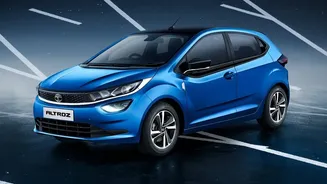
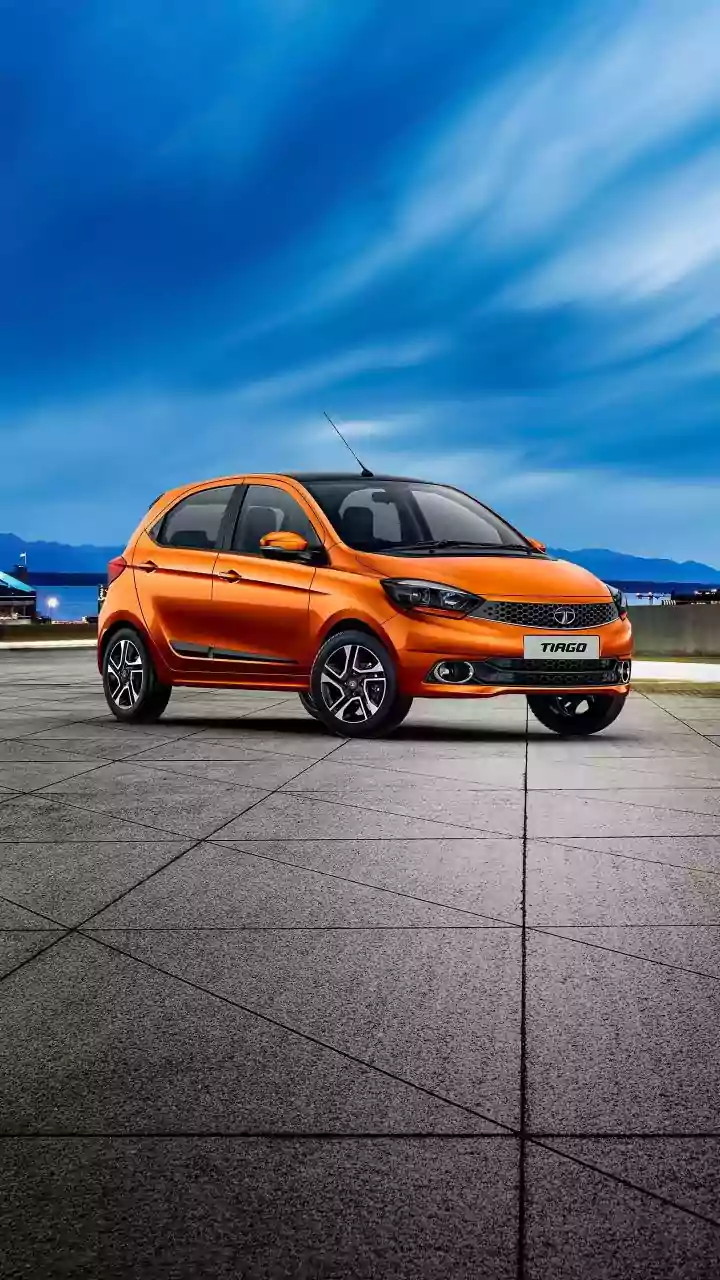
The price hike is comprehensive, affecting the entire portfolio of passenger vehicles. This includes the full range of internal combustion engine (ICE) models, such as the popular Punch, Nexon, Altroz, Harrier, and Safari. Importantly, the company has confirmed that its electric vehicle (EV) lineup is also part of this revision, so the prices for the Tiago.ev and Nexon.ev will also increase. Tata has announced an increase of up to ₹25,000, but this is not a flat hike. The exact amount will vary depending on the specific model and variant.
Crunching the Numbers: What It Means for Your Wallet
While the maximum cap is ₹25,000, the impact on your budget will depend on the car you choose. Typically, the increase is distributed across the range, meaning more affordable models like the Tiago and Punch will likely see a smaller price jump, while more expensive SUVs like the Harrier and Safari could see an increase closer to the upper end of that figure. For example, a modest 1% increase on a car costing ₹8 lakh would mean an additional ₹8,000. For a top-end SUV priced at ₹25 lakh, a 1% hike translates to an extra ₹25,000. This makes the final on-road price higher and could also slightly increase your monthly EMI if you plan to take a loan.
Your Strategy: To Buy Now or Wait?
With the new prices taking effect from September 1, 2026, there is a very narrow window for potential buyers to act. If you have finalized your decision to buy a Tata car, purchasing it and completing all formalities before the end of August could save you from the price increase. It is crucial to contact your local dealership immediately to understand their policy on price protection for existing bookings versus new purchases. Some dealers may honour the pre-hike price if the vehicle is invoiced before the deadline. Waiting could be a gamble. While the festive season is around the corner, which often brings discounts and offers, there is no guarantee that these promotions will fully offset the announced price hike. The decision hinges on your urgency and willingness to risk a potentially higher net cost later.