


Forget the intimidating image of professional ballerinas. Ballet-inspired fitness is a welcoming workout that merges graceful, controlled movements with the heart-pumping benefits of cardio, offering a refreshing alternative to the gym.
What Exactly Is Ballet Fitness?
Ballet fitness
is a workout style that uses the foundational movements of classical ballet—like pliés, tendus, and relevés—and blends them with elements of Pilates, yoga, and strength training. Unlike traditional ballet, which is a highly technical art form focused on performance and artistry, ballet fitness prioritizes physical conditioning. The goal isn't to become a professional dancer, but to achieve a full-body workout that builds long, lean muscles, enhances flexibility, and improves posture. These classes are designed to be accessible to everyone, regardless of previous dance experience. They often use a stationary barre for support during exercises, but the focus remains on controlled, low-impact movements that are gentle on the joints.
The Cardiovascular Connection
While ballet class itself often has a stop-and-start pace that doesn't always sustain an elevated heart rate, ballet fitness is different. Many classes are structured as 'ballet cardio dance' or incorporate high-intensity intervals (HIIT) to ensure a solid aerobic workout. By flowing continuously through sequences of jumps, fast footwork, and other dynamic movements, these workouts elevate your heart rate, strengthening your cardiovascular system. This blend of aerobic and anaerobic exercise not only improves circulation and stamina but also burns a significant number of calories. The sustained motion and engagement of large muscle groups provide the moderate-to-vigorous activity needed for improved heart health.
More Than Just a Cardio Burn
The benefits of ballet fitness extend well beyond heart health. The workout is renowned for building comprehensive strength. Using your own body weight for resistance, the high-repetition exercises target all major muscle groups, especially the core, glutes, and legs, creating a toned and sculpted physique without adding bulk. Furthermore, the constant focus on alignment and posture during class can translate into daily life, helping to alleviate back pain and encouraging you to stand taller. Enhanced flexibility is another key outcome, as the movements are designed to elongate muscles and improve your range of motion. This unique combination also sharpens balance, coordination, and mental focus, as you learn to synchronize your body with musical rhythms.
What to Expect in Your First Class
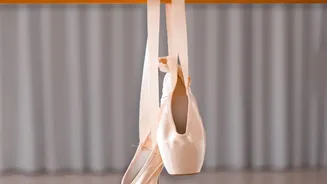
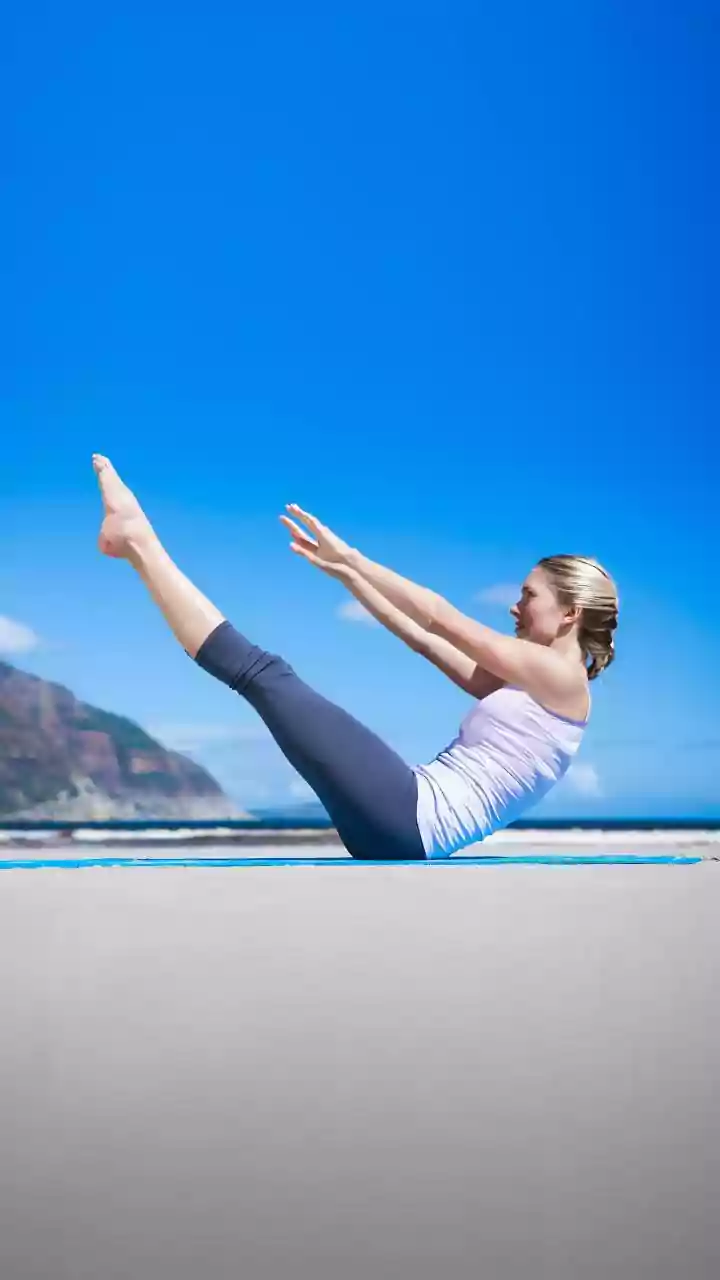
A typical ballet fitness class lasts between 45 to 60 minutes and follows a structured format. You’ll likely start with a warm_up of light cardio and mobility exercises. The main part of the class involves work at the barre, where you use it for stability while performing exercises like plié squats and leg lifts. This is often followed by centre work without the barre and mat_based exercises that may incorporate principles from Pilates to further strengthen the core. Instructors often use light weights, resistance bands, or small exercise balls to intensify the workout. The class concludes with a cool_down focused on deep stretching to improve flexibility and aid muscle recovery. No special gear is required beyond comfortable workout clothes; you won't need pointe shoes.