



An Open-Air Gallery in Need of Saviours
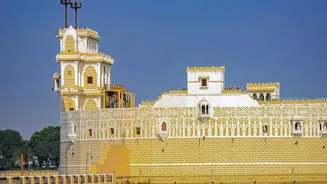
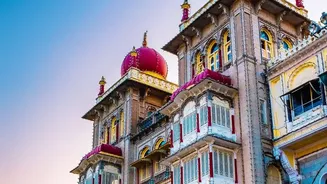
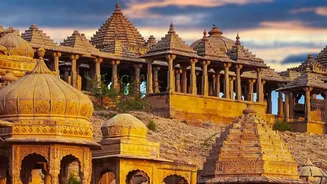
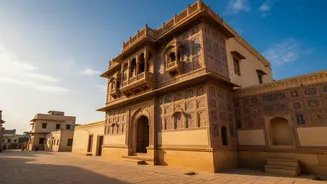
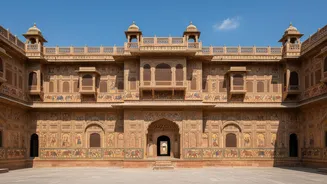
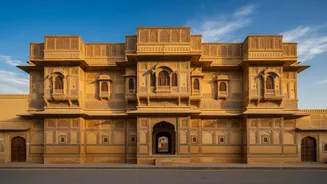
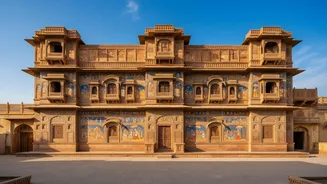
The Shekhawati region of Rajasthan, encompassing towns like Mandawa, Nawalgarh, and Fatehpur, is famous for its spectacular havelis. These aren't just large homes; they are canvases telling stories. Built predominantly by wealthy Marwari merchants in the 18th
and 19th centuries, the walls and ceilings are covered in detailed frescoes depicting everything from mythological tales to the arrival of the first steam trains and automobiles. However, as merchant families migrated to commercial hubs like Mumbai and Kolkata, many of these architectural gems were abandoned, left to decay under the harsh desert sun. This incredible heritage, often called the world's largest open-air art gallery, has been under threat from neglect, with many priceless frescoes crumbling to dust.
Tourism as a Tool for Restoration
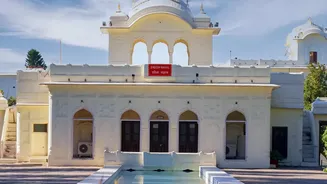
In recent years, a powerful conservation movement has taken root, driven by a simple yet effective idea: adaptive reuse. Descendants of the original owners, along with conservation architects and non-profit organisations like INTACH and CATTS, have begun painstakingly restoring these decaying havelis. The twist is that many have been converted into heritage homestays. This model is a win-win. It provides the crucial funds needed for the meticulous and expensive process of restoration, often using traditional lime mortar and pigments to preserve authenticity. For travellers, it offers a chance to not just see history, but to live inside it, becoming part of the haveli's continuing story. Choosing to stay in one of these properties directly contributes to the preservation of this fragile cultural landscape.
The Off-Peak Advantage: More Than Just Good Deals
The peak tourist season in Rajasthan runs from October to March, when the weather is cool and pleasant. However, savvy travellers are discovering the unique advantages of visiting Shekhawati during the so-called "off-peak" months, which include the hot summers (April-June) and the monsoon season (July-September). The most obvious benefit is economic; accommodation can be significantly cheaper, with discounts of 30-50% sometimes available. But the real magic lies in the experience. The crowds are gone, allowing for unhurried exploration of the havelis and towns. You can spend as long as you like admiring a fresco or chatting with a caretaker without being jostled by tour groups. This quieter period fosters a more intimate and authentic connection with the place and its people.
What to Expect from a Haveli Homestay
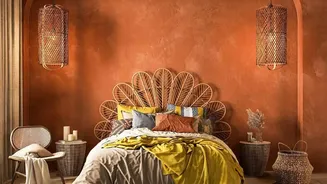
Staying in a Shekhawati haveli is a world away from a conventional hotel. The experience is defined by personalised hospitality, often from the owner's family themselves. You'll sleep in rooms that blend antique furniture and historic architectural details like 'jharokhas' (enclosed balconies) and latticed windows with modern comforts like air-conditioning and attached bathrooms. Meals are often a highlight, featuring home-cooked Rajasthani recipes passed down through generations. The stay is an immersion in culture. You might find yourself sipping tea in a courtyard adorned with century-old paintings, listening to family histories, or getting tips on which hidden havelis to visit from people who know them best. It transforms a sightseeing trip into a deeply personal journey.
Making the Most of the Quieter Season
While the summer heat is intense, it can be managed by planning explorations for the early morning and late afternoon. The monsoon, meanwhile, brings a unique beauty to the arid landscape, washing the dust off the vibrant frescoes and cooling the air. This season offers a different, more atmospheric Shekhawati. Beyond the havelis themselves, you can explore local markets, visit unique temples and step-wells (baoris), and engage with local artisans. Visiting off-peak means your presence as a tourist is more impactful, providing a welcome income to the local community during a slower time of year. By embracing the quieter months, you not only get a better deal and a more peaceful trip but also become a more valued partner in the region's sustainable development.