





More Than Just Waterlogged Roads
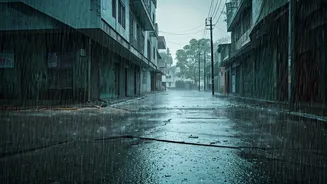
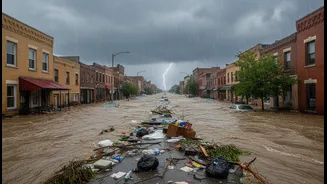
When torrential rain paralyses a city, the focus is typically on the visible chaos: submerged vehicles, overflowing drains, and gridlocked traffic. Yet, beneath the surface lies a complex network of infrastructure that is arguably more vulnerable. Our
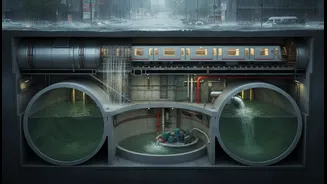
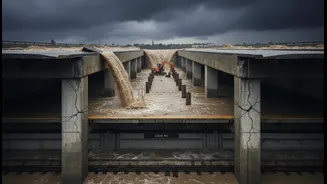
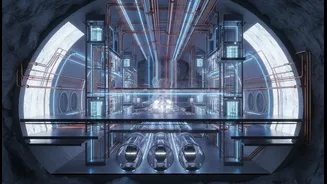
cities depend on a hidden world of subway tunnels, underground parking, utility corridors for cables and pipes, and the very foundations of our tallest buildings. For decades, this subterranean landscape was designed based on predictable weather patterns. But as climate change makes rainfall more extreme and erratic, the ground beneath our feet is becoming dangerously unstable, testing the limits of modern engineering.
The Old Rules No Longer Apply
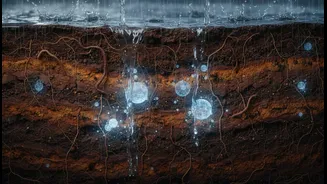
Geotechnical engineering has long relied on historical data to calculate how structures should be built. Standards were based on 50- or 100-year storm events, which were considered rare. Today, such extreme weather events are becoming unnervingly frequent. The engineering rulebook is being rewritten in real-time by a changing climate. The primary issue is soil saturation. When the ground becomes so waterlogged it can no longer absorb moisture, it behaves less like a solid and more like a fluid. This creates immense hydrostatic pressure—the force of water at rest—that pushes against tunnel walls and foundations with incredible power, seeking out any crack or weakness. Recent events, such as flooded metro stations in Mumbai and cave-ins of newly built roads in Surat during the first monsoon showers, highlight that India's infrastructure is already under strain.
The Science of a Saturated City
The new questions engineers face are complex and urgent. When soil becomes saturated, its load-bearing capacity decreases, meaning it can no longer support the weight it was designed to hold. This can lead to foundation settlement, where buildings and structures slowly sink or shift unevenly, causing cracks in walls and misaligned doors. In clay-heavy soils, common in many Indian regions, the problem is amplified. Clay expands when wet and shrinks as it dries, creating constant movement that can compromise a foundation's stability over time. Furthermore, the heat generated by underground trains and basements creates a phenomenon known as “underground climate change” or “subsurface heat islands,” which warms the ground. This thermal expansion and contraction, combined with water saturation, creates a potent mix of forces that most existing structures were never designed to withstand.
Rethinking Urban DNA from the Ground Down
In response, engineers are moving from a reactive to a proactive stance. The key question is no longer just how to drain water away faster, but how to design cities that can live with water. This involves exploring innovative materials and concepts. Permeable pavements that allow water to seep into the ground instead of running off into overwhelmed drains are one promising solution. Another approach is the 'sponge city' concept, which integrates green infrastructure like rain gardens, bioswales, and wetlands into the urban fabric to absorb and filter rainwater naturally. For existing infrastructure, the challenge is retrofitting. Engineers are developing advanced monitoring systems that use sensors and AI to predict how soil and structures will behave under stress, allowing for targeted reinforcements before a failure occurs. Building codes are also being re-evaluated to account for future climate projections, not just historical data.