



The Rise of the Aesthetic Meal Box
It’s a mesmerizing digital rabbit hole. Time-lapse videos show a week's worth of food being chopped, sautéed, and packed into neat, identical containers in under 60 seconds, all set to a trending pop song. This content has flooded our feeds, promising
a life of organisation, health, and efficiency. The appeal is obvious: in our increasingly hectic lives, the idea of reclaiming weeknight evenings from the chore of cooking is incredibly powerful. More than just saving time, these reels sell a vision of control. In a world that feels chaotic, having a fridge full of pre-planned meals feels like a tangible victory. It taps into our wellness aspirations, our desire to eat healthier, and our need to manage household budgets by reducing food waste and takeaways.
Beyond Salads: Meal Prep, The Indian Way
A common misconception, fuelled by Western creators, is that meal prep is all about quinoa bowls, grilled chicken, and sad-looking salads. But for the Indian household, the possibilities are far richer and more practical. Forget prepping five identical boxes of palak paneer. Instead, think in components. Indian meal prep is about creating building blocks that can be assembled into fresh, hot meals throughout the week. It’s about making a large batch of onion-tomato masala that can become the base for rajma on Monday, chana masala on Wednesday, and an egg curry on Friday. It’s soaking dals, grinding idli and dosa batter, kneading roti dough, or chopping a 'sofrito' of ginger, garlic, and green chillies. This approach preserves the freshness and spontaneity of home cooking while still saving you immense amounts of time and effort.
Your Starter Kit: No Fancy Gadgets Needed
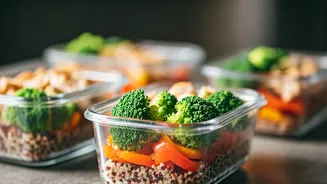
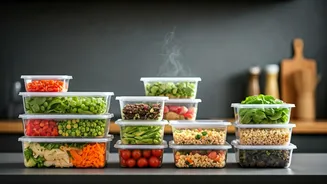
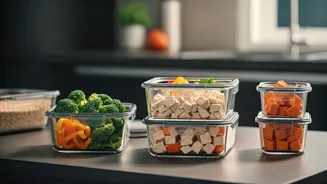
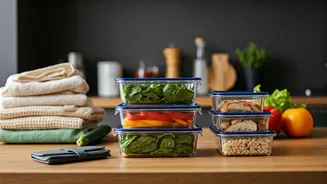
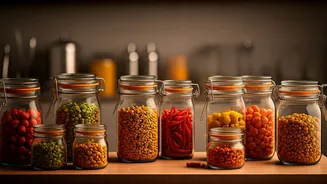
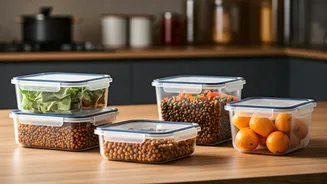
Those viral videos often feature pristine, matching glass containers and specialised gadgets that can be intimidating. The reality is, you probably already own everything you need. The hero of Indian meal prep is the humble 'dabba'—the collection of steel and food-safe plastic containers that exists in every home. Invest in a few good quality, airtight, and microwave-safe containers if you need to, but don't feel pressured to buy a whole new set. A good, sharp knife, a chopping board, and your regular pots and pans are more than enough to get started. The key is a system, not expensive tools. Designate one shelf in your fridge for your prepped items so they are visible and easy to grab. The goal is to make your life easier, not to curate a picture-perfect pantry for social media.
The Golden Rules of Indian Cooking Prep
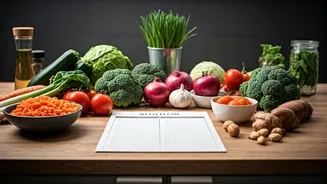
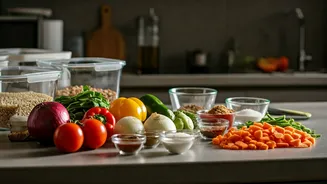
To make meal prep work for you, a few rules can make all the difference. First, prep ingredients, not just full meals. Chopped onions, tomatoes, and carrots can be stored in the fridge for 2-3 days. A big batch of boiled potatoes can become an aloo sabzi, a stuffing for parathas, or part of a quick salad. Second, understand what keeps. Hard vegetables like carrots, beans, and capsicum hold up well when chopped. Leafy greens, however, are best washed, dried thoroughly, and stored whole in an airtight bag or box with a paper towel to absorb moisture. Third, use your freezer. Basic curry gravies, chutneys, and even par-cooked lentils freeze beautifully. Finally, don't prep everything. Some things, like a fresh tadka or the final garnish of coriander, are best done just before serving to maximise flavour and texture.
Avoiding 'Dabba' Fatigue
The biggest risk of meal prep is boredom. Eating the same meal for three days in a row is a sure way to make you abandon the practice and order a pizza. This is where prepping components truly shines. Your basic onion-tomato gravy can be transformed with different spices and additions. One day, add paneer and cream for a rich curry. The next, add boiled chickpeas and amchur for a tangy chole. The same batch of pre-soaked dal can be made into a simple dal fry one day and a flavourful sambar the next. This 'mix-and-match' strategy ensures variety and prevents your meals from feeling monotonous, keeping you engaged and consistent with your new, time-saving routine.