





Buy Small, Buy Often
While buying in bulk seems economical, it's a risky strategy during the monsoon. The combination of heat and humidity can cause food to spoil much faster. Items like flour, spices, and even dairy products are susceptible to mould and pests when stored
for long periods in damp conditions. Instead of stocking up for the month, shift to purchasing smaller quantities that you can consume within a few days. This applies especially to delicate items like milk, yoghurt, and paneer, which should be bought as needed to ensure freshness. This 'just-in-time' approach not only reduces food waste but also minimises the risk of consuming items that have been compromised by the humid environment.
Embrace Whole, Uncut Produce
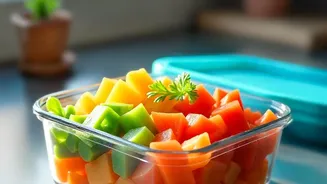
Pre-cut fruits and vegetables are convenient, but they are best avoided during the rainy season. The moment a fruit or vegetable is cut, its surface area is exposed, making it more vulnerable to bacterial contamination, a risk that is magnified by monsoon humidity. Opt for whole produce instead. A whole pomegranate is better protected by its thick skin than a container of loose kernels. Similarly, choose whole vegetables and wash and cut them yourself just before cooking. This simple step significantly reduces the chances of foodborne illnesses. When selecting produce, look for items that are firm and free from bruises or soft spots, as these can be entry points for mould and bacteria.
Rethink Your Leafy Greens
Leafy greens like spinach and cabbage are notorious for harbouring dirt and microbes, especially during the monsoon when they grow close to damp, potentially contaminated soil. The moisture trapped between their leaves creates a perfect breeding ground for germs. If you do buy them, be extra diligent. Purchase only what you need for a day or two and wash them thoroughly. Soaking them in a bowl of water with a little salt or vinegar for about 15 minutes before a final rinse can help dislodge grime and germs. It's also wise to cook these vegetables thoroughly rather than consuming them raw in salads.
Master Your Storage Strategy
Proper storage becomes a crucial defence against spoilage. High humidity means you cannot leave items like biscuits, chips, or spices in open packets, as they will quickly turn soggy and lose their freshness. Airtight containers are your best friends during this season for all dry goods, including lentils, flour, and spices. For vegetables, the key is to keep them dry. After washing, pat them completely dry with a paper towel before storing them in the refrigerator. Wrapping them in paper can help absorb any excess moisture. Keep your refrigerator clean and don't overcrowd it, as good air circulation is essential to keeping produce fresh.
Prioritise Washing and Hygiene
This rule is important year-round but becomes non-negotiable in the monsoon. The risk of waterborne and foodborne diseases increases significantly. Wash all fruits and vegetables thoroughly under clean, running water before you peel, cut, or eat them. For produce with peels, like gourds or pears, scrubbing them can remove unseen contaminants. Personal hygiene is just as critical. Wash your hands with soap and water before handling food, and ensure all utensils, cutting boards, and kitchen surfaces are kept clean to prevent cross-contamination, especially between raw and cooked foods.