








The Science Behind the Bloom
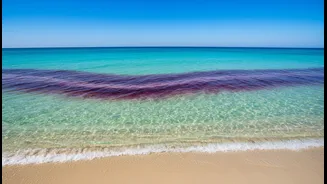
Harmful algal blooms (HABs), sometimes known as "red tides," happen when colonies of microscopic algae grow out of control. While algae are a vital part of aquatic ecosystems, producing much of the oxygen we breathe, a few species produce potent toxins.
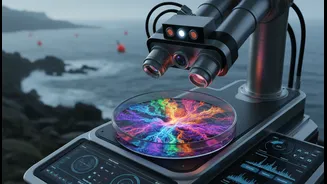
Factors like nutrient pollution from agricultural runoff and wastewater, combined with rising water temperatures and slow-moving water, create a perfect storm for these algae to multiply rapidly. Climate change is exacerbating the problem, making these events more frequent, intense, and widespread. As the bloom spreads, it can look like a thick scum on the water's surface, but the real danger lies in the poisons it releases. You cannot tell if a bloom is toxic just by looking at it; only water testing can confirm the danger.
A Silent Toll Beneath the Waves
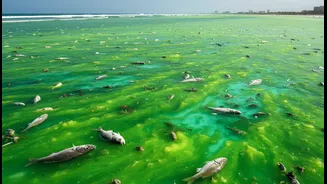
The immediate victims of a toxic bloom are the marine creatures themselves. A catastrophic event in South Australia that began in 2025 demonstrated the scale of destruction, wiping out an estimated one million animals across 20,000 square kilometres. The culprit, a microalgae called Karenia cristata, was found to be potentially the most toxic species ever studied. These blooms can kill in several ways. The neurotoxins they produce can cause paralysis and death in fish, birds, and marine mammals like dolphins and manatees. Additionally, when the massive bloom eventually dies, the decomposition process consumes all the oxygen in the water, creating vast hypoxic "dead zones" where marine life suffocates. This affects species at every level, from sea-floor dwellers like crabs and lobsters to large swimming fish.
When the Nets Come Up Empty
For the fishing industry, a harmful algal bloom is a multi-layered disaster. The most direct impact is the mass death of commercial fish stocks, which can take years to recover. But the toxins also accumulate in the tissues of shellfish like oysters, mussels, and clams. Even if these animals survive, they become contaminated and unsafe for human consumption, forcing authorities to issue harvesting bans that can last for months. The 2015 bloom on the U.S. West Coast, for instance, shut down valuable Dungeness crab and razor clam fisheries for extended periods. These closures lead to devastating economic losses for fishing crews, seafood processors, and the wider communities that depend on a healthy commercial fishing sector.
The Cost to Coastal Economies
The impact on tourism can be just as severe, if not more so. Unsightly, foul-smelling water and shores littered with dead fish force beach closures. Health authorities issue warnings as the airborne toxins can cause respiratory problems, skin irritation, and other flu-like symptoms in humans. The result is a wave of cancellations from tourists who had planned to swim, boat, and dine by the water. A study of Florida's massive 2018 red tide estimated the losses to tourism-related businesses at approximately $2.7 billion. Even low-level blooms can have a disproportionate economic effect, as negative publicity and fear can damage a destination's reputation long after the water has cleared.
Planning for a New Reality
Given that these blooms are becoming the new normal, planners and policymakers face a significant challenge. Short-term responses involve robust monitoring systems to detect blooms early and warn the public. In the long term, however, the focus must shift to prevention. This requires a systemic approach to reducing the nutrient pollution that fuels the algae. Strategies include upgrading wastewater treatment, managing agricultural runoff through better farming practices, and restoring coastal wetlands that act as natural filters. Experts agree that simply reacting to each bloom is not a sustainable strategy. A combination of investment, regulation, and coordinated planning is needed to mitigate the root causes and build resilience in coastal ecosystems and economies.