


The Allure of Going Small
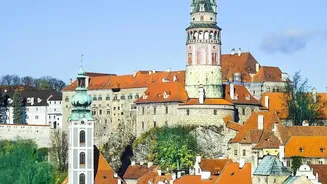
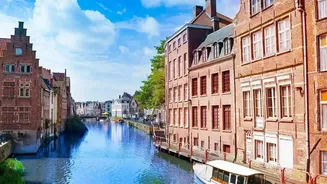
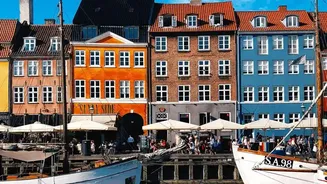
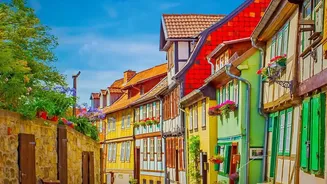
Opting for smaller destinations is about more than just avoiding long queues. It's a chance to experience a more authentic version of a country, where local culture hasn't been overly polished for mass tourism. Life moves at a slower pace, encouraging
you to connect with your surroundings rather than rushing through a checklist of sights. This approach is often friendlier to your wallet, as accommodation and dining in less-trafficked areas can be significantly cheaper than in major hubs. You'll find unique architecture, friendly locals, and a sense of discovery that is hard to replicate in a metropolis packed with visitors.
Crafting Your Off-the-Path Itinerary
Finding these hidden gems is part of the adventure. Start by looking at a map and exploring the areas around the major cities you might already know. Often, a short train ride or drive can transport you to a completely different world. Travel blogs and regional tourism websites are fantastic resources for uncovering towns that aren't in every guidebook. Another strategy is to plan your travel around a theme, like a wine region, a coastal drive, or a trail through national parks, which naturally leads you to smaller communities along the way. Don't be afraid to leave some room for spontaneity; sometimes the best discoveries are the ones you didn't plan.
Navigating the Logistics
Getting to and around smaller towns requires a bit more planning. While Europe's train network is extensive, it doesn't reach every village. For ultimate freedom, renting a car is an excellent option, allowing you to explore rural landscapes at your own pace. However, be aware that many medieval town centres are not designed for cars. A combination of regional trains and local buses can also be effective, though schedules may be less frequent. When it comes to accommodation, booking in advance is wise, especially as options may be limited to smaller guesthouses or family-run inns rather than large hotels.
Challenges and How to Embrace Them
Traveling to more remote areas can present some challenges. Public transport can be infrequent, and not everyone will speak English. It’s a good idea to learn a few basic phrases in the local language and have a translation app handy. Having mobile data is also crucial for checking maps and transport schedules on the go. Embrace these moments as part of the experience. The slight inconvenience is often a small price to pay for the reward of having a beautiful village square almost to yourself or discovering a family-owned restaurant that becomes the highlight of your trip.
A Mindset for Mindful Travel
The key to enjoying travel in smaller destinations is to adopt a slower, more flexible mindset. Instead of a packed itinerary, allow yourself time to wander without a specific goal. Sit at a local café, visit the town market, and talk to residents. Ask for recommendations; locals are often proud to share their favourite spots. This type of travel isn't just about seeing new places, but about making genuine connections and experiencing a different way of life, creating memories that last long after the trip is over.