
The Two Types of Dietary Iron
Iron is a crucial mineral that helps transport oxygen throughout your body, keeping you energized and focused. When we talk about dietary iron, it comes in two forms: heme and non-heme. Heme iron, found in animal products like meat, poultry, and fish,
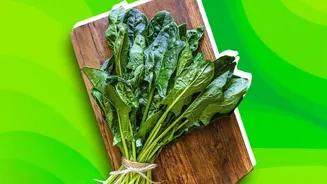
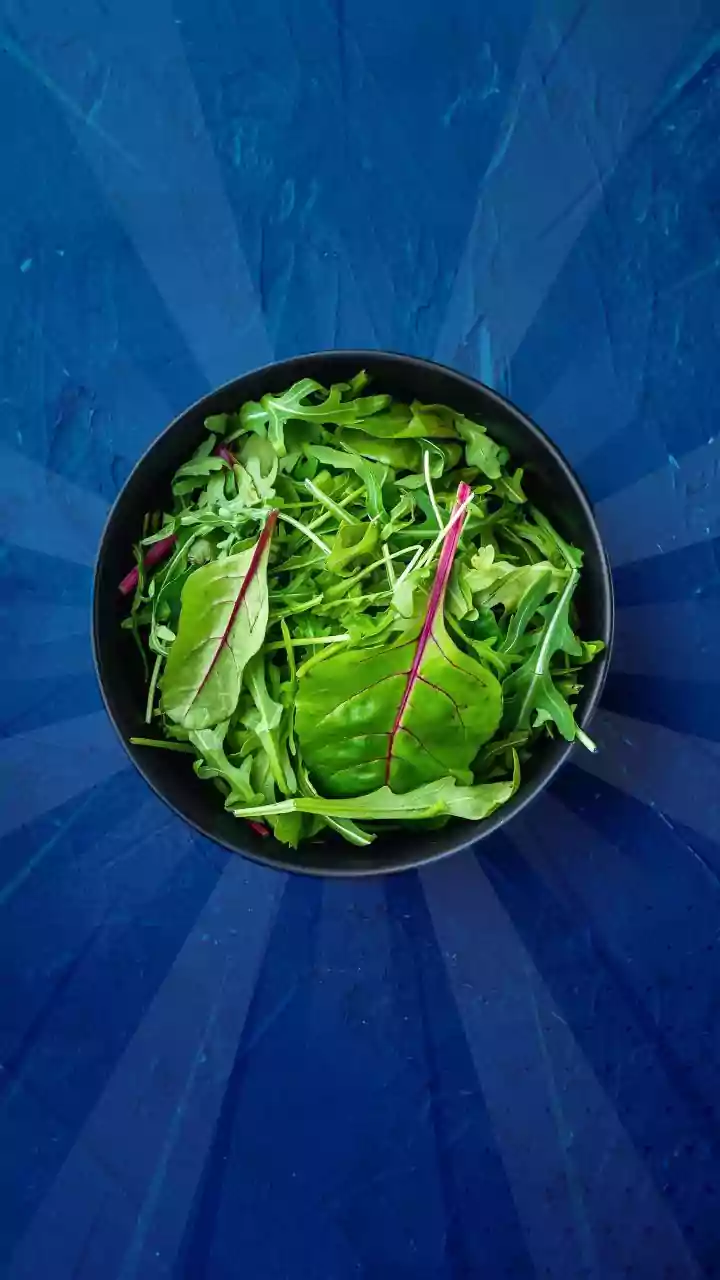
is easily absorbed by the body. Plant-based foods like beans, lentils, tofu, and dark leafy greens are packed with non-heme iron. The challenge is that non-heme iron is less bioavailable, meaning your body has a harder time absorbing it. This is a key reason why those on vegetarian or vegan diets need to be more strategic about their iron intake to avoid deficiency.
Vitamin C: The Key to Unlocking Plant Iron
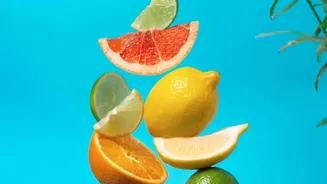
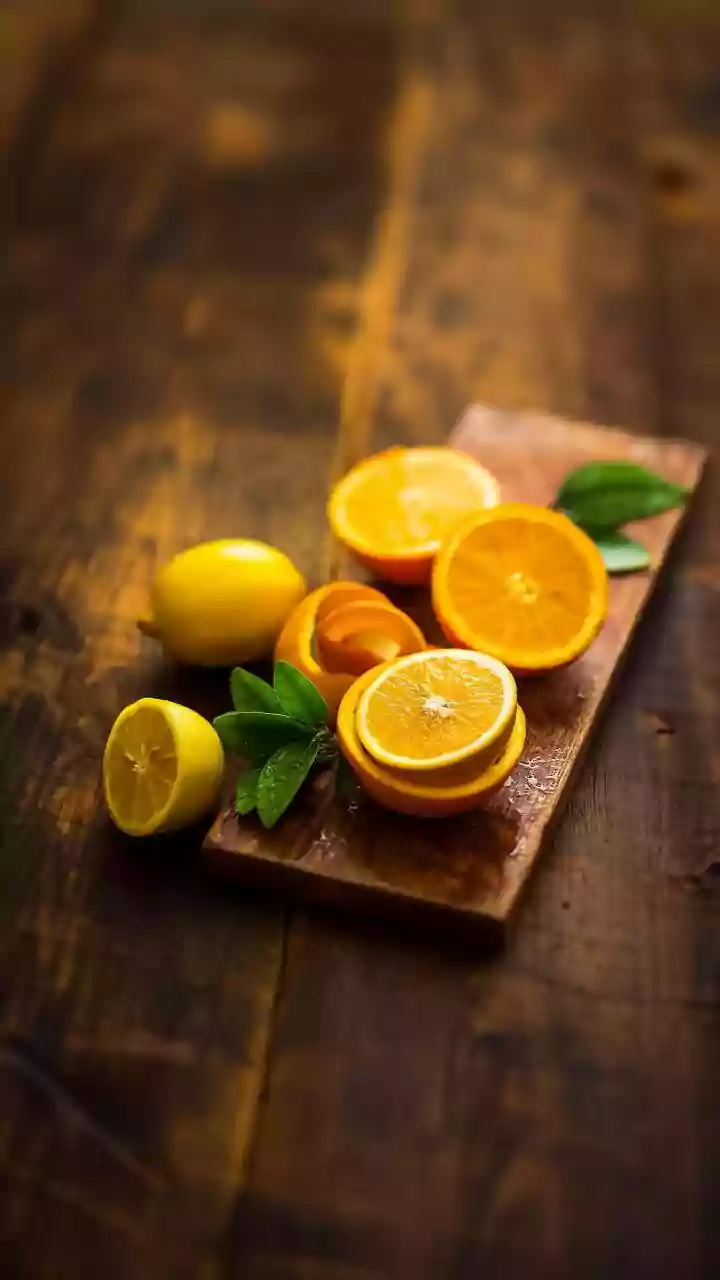
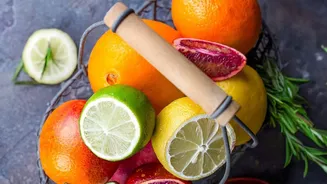
This is where Vitamin C, also known as ascorbic acid, plays a starring role. When consumed in the same meal, Vitamin C acts as a powerful enhancer for non-heme iron absorption. It works by capturing the plant-based iron and converting it into a form that your body can absorb much more easily. The effect is significant; some studies show that adding Vitamin C can increase iron absorption from a meal by up to 67%, while others note the effect is strongly dose-dependent. Essentially, Vitamin C acts like a key, unlocking the full potential of the iron stored in your plant-based foods, making sure your body gets the fuel it needs.
Perfect Pairings for Maximum Absorption
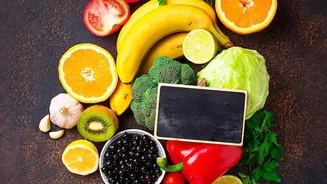
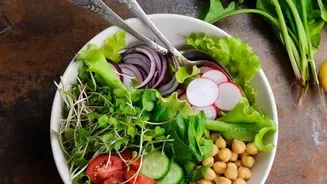
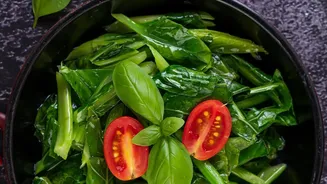
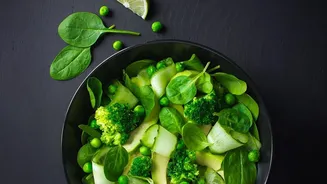
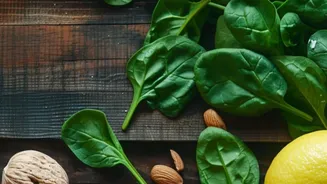
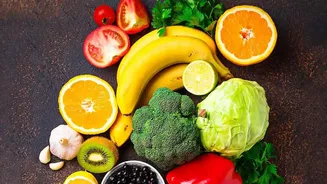
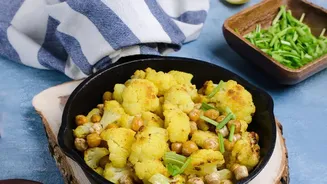
While squeezing lemon over a spinach salad is a classic example, the possibilities are endless and delicious. The goal is to combine an iron-rich plant food with a Vitamin C-rich fruit or vegetable in the same meal. Think beyond just citrus. Bell peppers, strawberries, broccoli, tomatoes, and kiwi are all excellent sources of Vitamin C. For breakfast, try adding sliced strawberries to your iron-fortified oatmeal. For lunch, a lentil soup with a tomato base is a fantastic combination, as is a chickpea salad loaded with chopped bell peppers. A dinner of tofu stir-fry with broccoli and red peppers, or a hearty bean chili with a rich tomato sauce, also fits the bill perfectly. Even a snack of hummus (made from iron-rich chickpeas) with a side of bell pepper strips is a smart choice.
What to Avoid with Your Iron-Rich Meal
Just as some foods enhance absorption, others can inhibit it. It's wise to avoid consuming certain items at the same time as your main iron-rich meal. The main culprits are compounds called phytates, found in whole grains and legumes, and polyphenols (tannins) in coffee and tea. Calcium is another significant inhibitor, competing with iron for absorption. This means having your morning coffee or tea, or taking a calcium supplement, an hour or two before or after your iron-focused meal is a better strategy than having it alongside. While you don't need to eliminate these foods, simply timing them thoughtfully can make a big difference in your iron levels.