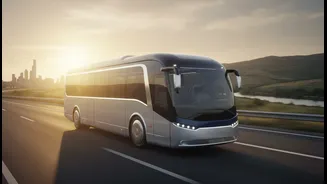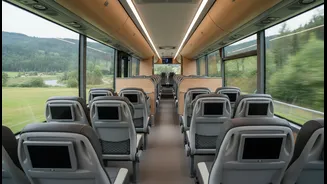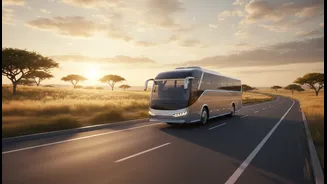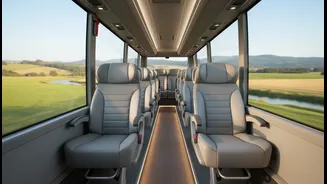






Comfort, Seating and Amenities
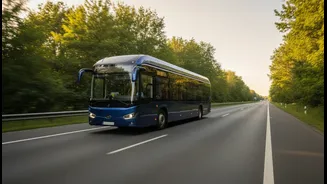
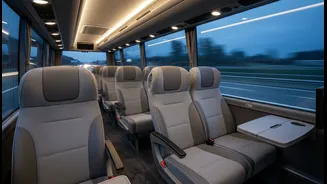
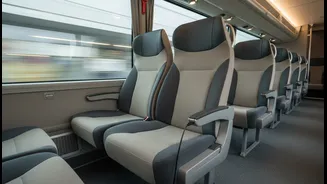
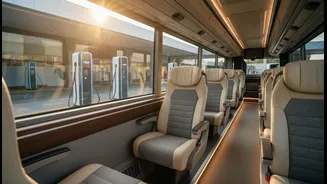
New electric bus operators are positioning themselves as a premium travel option. Many of these coaches come with plusher, more comfortable seating than standard buses, often with ample legroom and recline functions. Onboard amenities frequently include
personal USB charging ports, air-conditioning, and sometimes live tracking features that let you monitor the bus's location. Operators like LeafyBus have even been known to provide welcome kits with hygiene products. The most significant difference for passengers, however, is the ride itself. Electric buses offer a noticeably quieter and smoother journey, free from the vibrations and engine noise of a traditional diesel coach, which can reduce travel fatigue. This focus on an elevated passenger experience is a key selling point as companies compete for travellers on high-density routes.
Journey Time and The Charging Stop
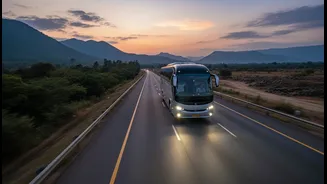
This is the biggest trade-off for travellers. While an electric bus can theoretically cover up to 250-300 km on a single charge, most intercity routes require at least one scheduled charging stop. Operators are building their own charging hubs along highways for this purpose. A charging break can last anywhere from 30 minutes to over an hour, adding significant time to the total journey. For example, a trip that might take a diesel bus 6.5-7 hours could stretch to 8 hours in an electric coach. While some operators claim there's no trade-off in time, passenger experiences often suggest otherwise, with some reporting significant delays if charging points are occupied or not working. This scheduled stop is something travellers must factor in, especially if they are on a tight schedule. However, for those who appreciate a planned break to stretch their legs and have a meal, it can be a welcome pause.
The Rise of Electric Routes
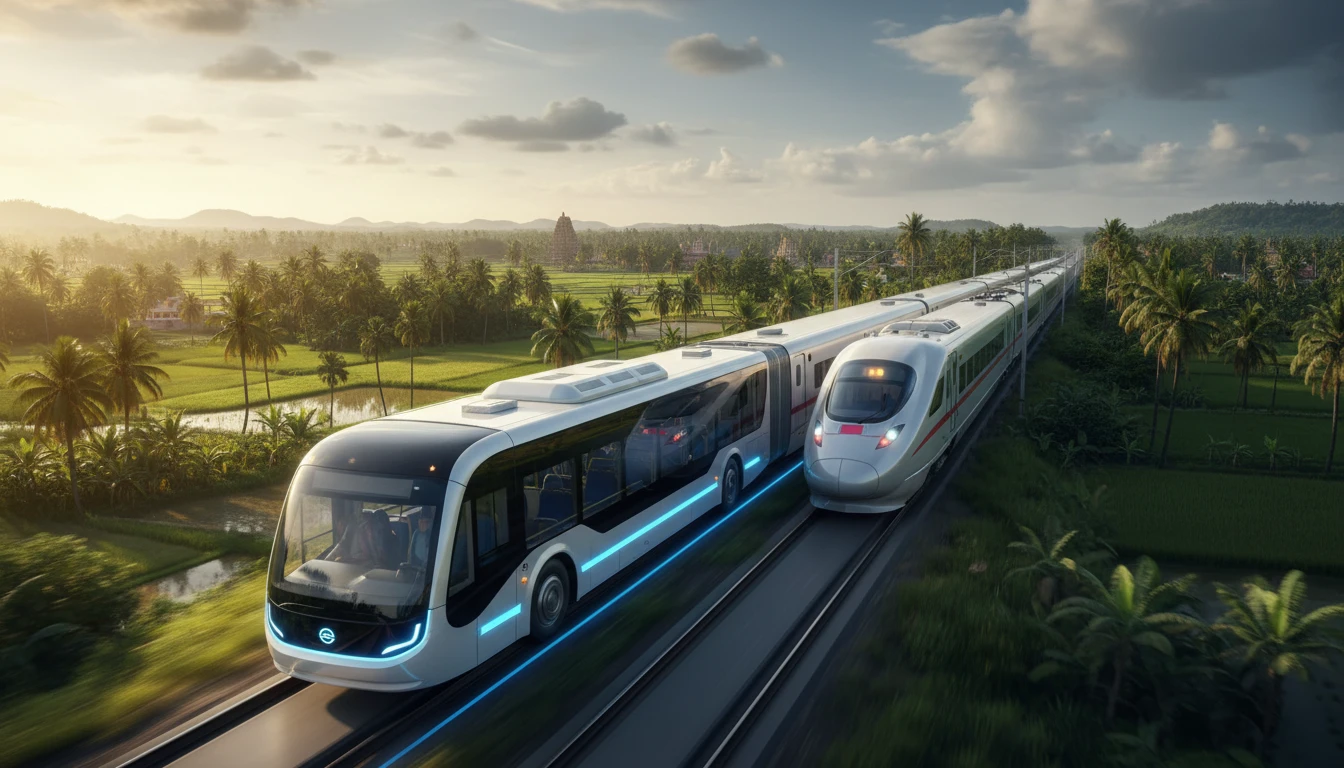
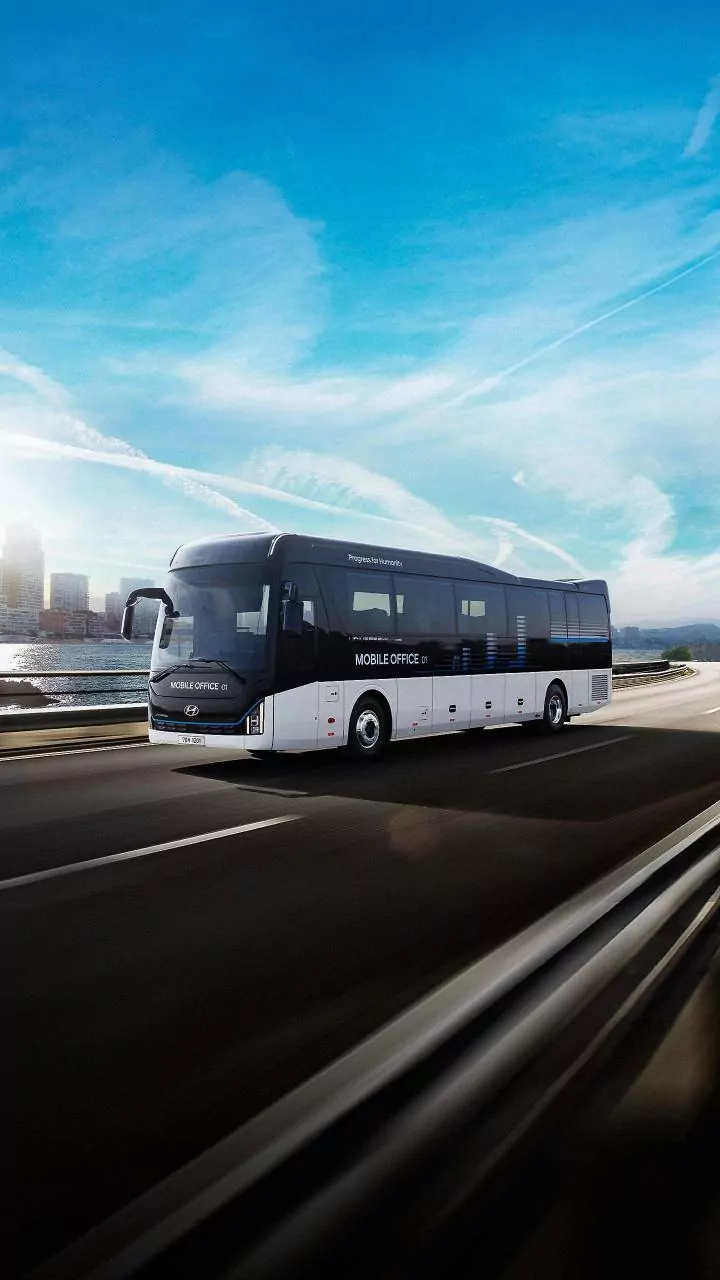
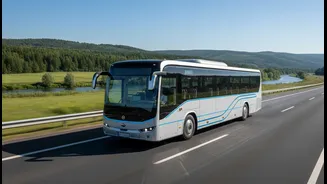
The adoption of intercity electric buses is expanding rapidly. Major operators like zingbus, JBM, EveyTrans, and NaArNi are deploying hundreds of new electric coaches. The initial focus is on high-demand corridors where the economics make sense. You'll find these services increasingly available on routes connecting cities like Bengaluru, Hyderabad, Chennai, Pune, Mumbai, Goa, and Delhi. Recent announcements from July 2026 indicate a major push into South and West India, with hundreds of new premium and electric buses planned for deployment over the next year. This expansion is driven by both private operators and government initiatives aiming to reduce transport emissions.
Cost, Booking and Cancellation
For the passenger, ticket prices for electric buses are often competitive with, and sometimes cheaper than, premium diesel services like Volvo or Scania. The real financial advantage, however, is for the operators, who benefit from running costs that can be nearly half that of diesel buses, insulating them from volatile fuel prices. Booking is typically done through the operator's app or website, or via major travel aggregators. Cancellation policies can vary. Some operators offer refunds in the form of a cash coupon for future travel, while others may refund to the original payment source after deducting a fee. Policies often depend on how far in advance you cancel, with higher deductions for last-minute changes. It's crucial to read the specific terms and conditions before booking, as some customer reviews have highlighted issues with refunds and customer service.
The Clean Mobility Choice
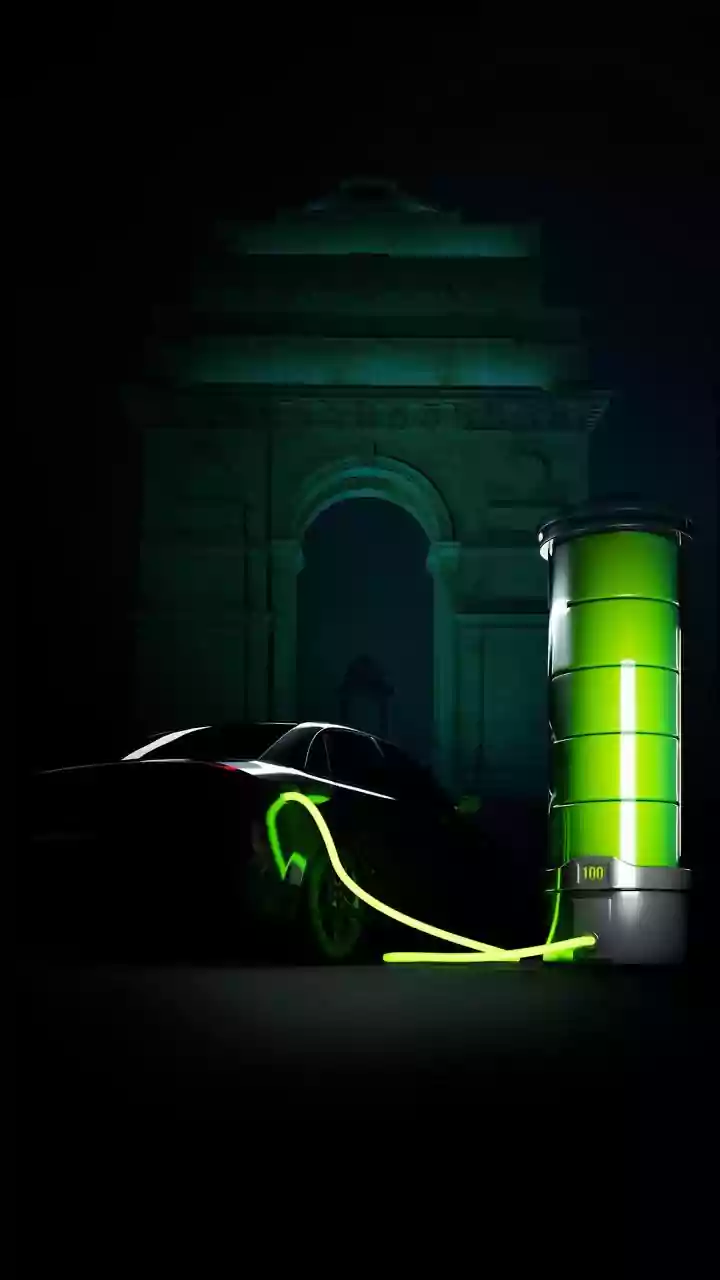
For environmentally conscious travellers and clean-mobility watchers, the choice is clear. Road transport is a major contributor to CO2 emissions in India, and electric buses offer a zero-tailpipe-emission alternative. Choosing an electric bus directly supports the transition to greener public transport. Operators are quick to highlight these benefits, noting the millions of litres of diesel saved and the significant reduction in carbon emissions thanks to their growing fleets. While the electricity used for charging isn't always from 100% renewable sources, the shift away from burning diesel in thousands of buses marks a significant step toward cleaner air in and between cities.