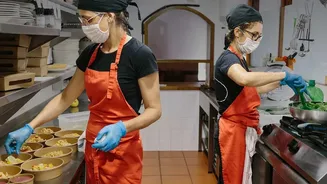









As winter arrives in India, so does a whirlwind of festivities. Behind every spectacular wedding feast and corporate year-end party is a catering company in overdrive, orchestrating a massive, temporary expansion of its workforce. Here's why.
The Perfect Storm of Celebrations
The Indian
winter calendar is a caterer’s busiest period, driven by a powerful convergence of events. It kicks off with the lead-up to Diwali, one of the country's largest festivals, where celebratory meals, corporate gifting, and large family gatherings are paramount. This period seamlessly flows into the peak wedding season, which traditionally falls between November and February. Indian weddings are often multi-day, extravagant affairs with hundreds of guests, demanding extensive and varied catering services. Capping off this hectic schedule are Christmas and New Year's Eve celebrations, which fuel another wave of private parties and corporate functions. This concentration of major events creates a massive, sustained surge in demand that no catering company can handle with its regular staff alone.
More Than Just Extra Cooks
The seasonal hiring spree goes far beyond simply adding more chefs to the kitchen. To successfully execute large-scale events, catering companies need to bolster their entire operational chain. This includes hiring scores of service staff like waiters and banquet managers to ensure a seamless guest experience. Kitchen teams are expanded with specialized roles such as sous chefs, line cooks, kitchen helpers, and dishwashers. Additionally, logistical and support roles become critical. Companies bring on temporary staff for inventory management, food preparation, transportation, and sanitation, ensuring that ingredients are sourced, prepped, and delivered on time while maintaining strict hygiene standards.
The Challenge of Menu Complexity
Festive menus are significantly more elaborate than standard fare. Clients expect a wide array of options, often spanning multiple cuisines to please diverse palates. A single wedding event might feature live food counters for chaat and dosa, a tandoor section for fresh kebabs, a station for continental dishes, and an extensive dessert spread with traditional Indian sweets. This complexity requires specialized culinary talent. A caterer might need to hire chefs skilled specifically in Mughlai, South Indian, or Chinese cuisines, as well as bartenders and mixologists for beverage service. Executing such diverse and high-quality menus under pressure necessitates a larger and more skilled kitchen brigade.
Corporate Year_End Demands
Alongside private celebrations, the corporate sector is a major driver of seasonal catering demand. Companies across India host year_end galas, client appreciation dinners, and staff parties throughout December. These events are often large_scale productions requiring sophisticated food and beverage service. Restaurants and caterers are looking to capture this festive spending beyond just their dine_in offerings, creating curated menus and party boxes for bulk corporate orders. This B2B demand adds another significant layer to the already packed schedule, forcing catering businesses to allocate dedicated teams to manage corporate clients.
The Strategic Hiring Process
Finding and onboarding a large, temporary workforce is a significant operational challenge. The demand for skilled hospitality staff is high across the board, with hotels, restaurants, and event companies all competing for the same talent pool. To cope, savvy catering companies and hospitality businesses have moved away from last_minute hiring. They now begin their recruitment process as early as 12 to 14 weeks before the peak season starts. This structured workforce planning allows them to properly vet, hire, and train temporary staff to meet their service standards. Staffing agencies and digital platforms that connect businesses with verified temporary workers also play a crucial role in filling these seasonal gaps quickly and reliably.