


The Museum for Guests Fades
Remember the drawing room? For many Indians, it was a formal chamber preserved for special occasions and important visitors. Sofas were often shrouded in plastic, the centre table gleamed with untouchable curios, and the entire space was designed to announce
wealth and status rather than encourage relaxation. This concept of the living room as a space for display, rather than living, was a cornerstone of home life for decades. It was less a room for the family and more a statement to the world. But this carefully maintained formality is rapidly becoming a thing of the past, making way for a new philosophy of what the heart of the home should be.
The Pandemic Remodels Priorities
The single biggest catalyst for this change was the pandemic. Confined to our homes, we were forced to reclaim every square inch of space. The formal drawing room, once a token space, was suddenly conscripted into service as a home office, a classroom for online lessons, a makeshift gym, or simply a corner to find some peace. This extended period of intense domesticity made homeowners acutely aware of what wasn't working. The demand shifted from presentable to functional, from impressive to comfortable. The need for a home to be a sanctuary and a versatile, hard-working environment overtook the desire for it to be a static showroom.
Authenticity Over Ornate
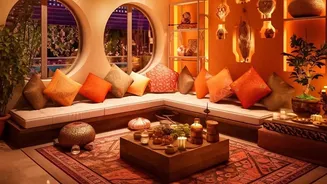
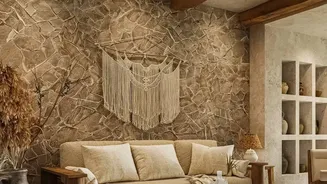
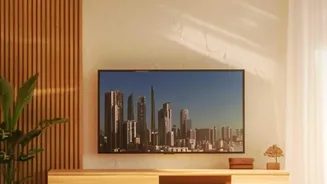
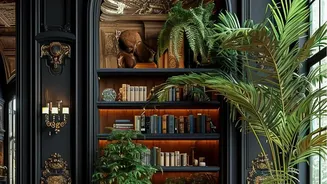
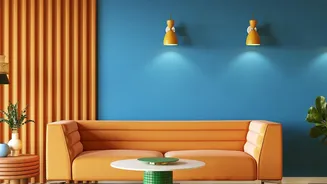
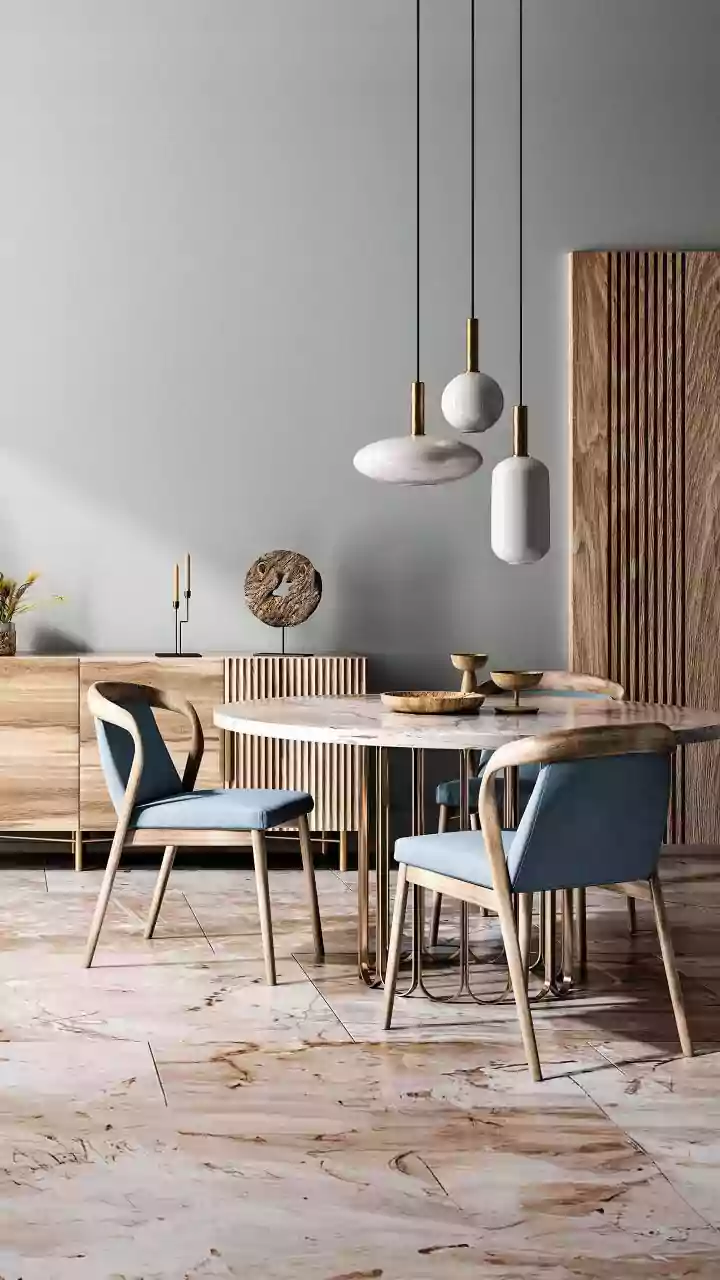
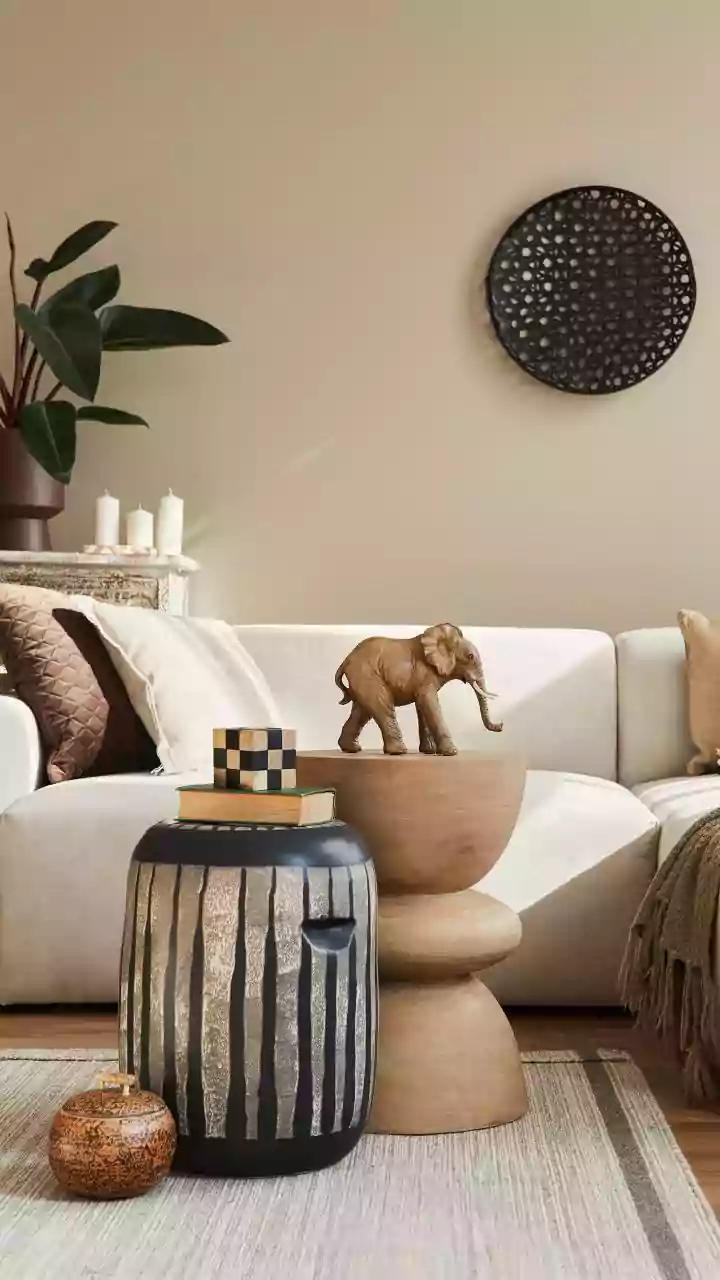
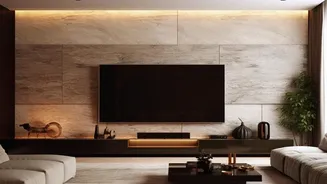
This new focus on function has been accompanied by a psychological shift towards authenticity. Homeowners are increasingly choosing to create spaces that reflect their personal tastes and lifestyles rather than adhering to a template of what's considered luxurious. There's a growing appreciation for tactile materials, personal collections of art, and furniture that tells a story. The trend is moving away from heavy, ornately carved wooden sets and high-gloss finishes. In their place, we see warmer neutrals, softer and curved furniture silhouettes, and a curated mix of pieces that don't necessarily 'match' but work together to create a personal and inviting atmosphere. The new luxury is restraint and meaning, not just scale.
The Rise of Multifunctional Living
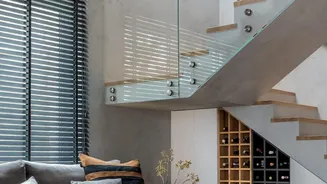
In India's rapidly urbanising landscape, space itself is the ultimate luxury. As living areas in metropolitan cities become more compact, the demand for furniture that can serve multiple purposes has soared. A piece of furniture is now expected to earn its keep. This has fueled a boom in the market for smart, adaptable solutions: sofa-beds that transform a living room into a guest room, extendable dining tables that can accommodate family gatherings, and coffee tables with hidden storage. This isn't just about saving space; it's about making the space smarter and more responsive to the dynamic needs of modern Indian families.
An Indian Take on Global Trends
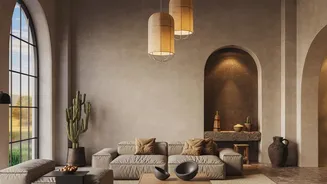
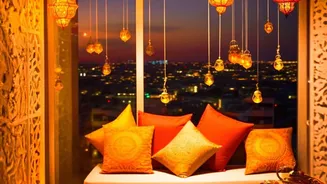
While global design trends like minimalism have influenced Indian interiors, what's emerging is a unique blend rather than a direct copy. The stark, cold minimalism of Western magazines is being adapted to the Indian context, infused with warmth, colour, and local craftsmanship. This 'Indian minimalism' is not about empty, sterile rooms; it's about creating a calm, uncluttered backdrop for a few carefully chosen, meaningful objects—perhaps a piece of traditional art, hand-painted textiles, or a handcrafted wooden item. It’s a move towards a quieter, more considered aesthetic that values both visual peace and cultural depth, creating spaces that are both modern and deeply rooted.