



More Than Just a Bite
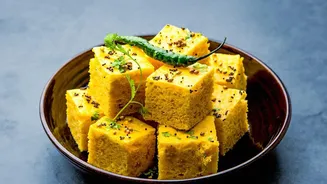
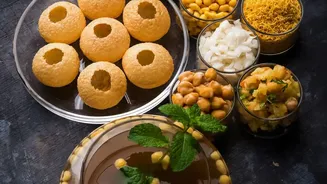
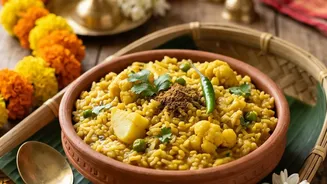
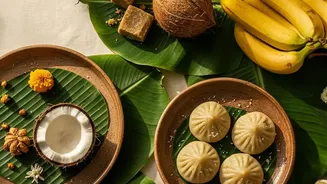
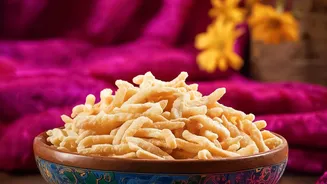
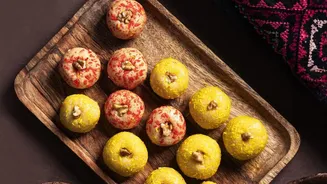
Traditional Indian snacks are not just food; they are edible heritage. Recipes for mathri, chakli, murukku, and various ladoos are passed down through generations, with each family having its own subtle twist. These snacks carry the aroma of childhood
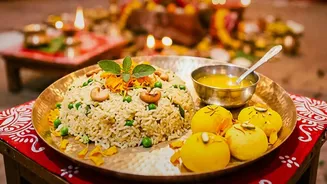
homes and the memory of watching mothers and grandmothers spend days preparing for festivals like Diwali or Holi. The act of preparing these snacks is often a communal activity, a time for family bonding and sharing stories. For many, the taste of a specific, homemade snack is the very taste of the festival itself, evoking a powerful sense of nostalgia and belonging that store-bought alternatives often struggle to replicate.
The Modern Time Crunch
For dual-income couples in urban India, time is the ultimate luxury. Long working hours, demanding careers, and daily commutes leave little room for the elaborate, multi-day preparations that festive cooking traditionally demands. The pressure to balance professional responsibilities with cultural expectations can lead to significant stress. Many couples want to uphold the traditions they grew up with but find it logistically impossible to dedicate entire days to sourcing ingredients and preparing snacks from scratch. This creates a gap between aspiration and reality, where the desire to participate fully in the festive spirit clashes with the constraints of a modern, fast-paced life.
A Bridge Between Tradition and Convenience
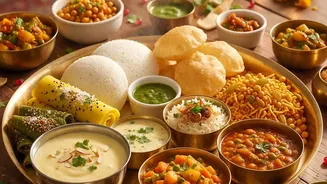
This is where batch-prepared traditional snacks have found their crucial role. They serve as a perfect bridge, offering a solution that honours tradition without demanding impossible hours in the kitchen. A growing market of home chefs and boutique businesses now specializes in creating authentic, high-quality festive snacks using traditional recipes and natural ingredients. For a busy couple, ordering a curated box of assorted namkeens or freshly made sweets is not a lazy shortcut; it's a practical and intentional choice. It allows them to prioritize authenticity and quality, ensuring the flavours are just right, something mass-produced commercial products might not deliver.
The Emotional and Cultural Payoff
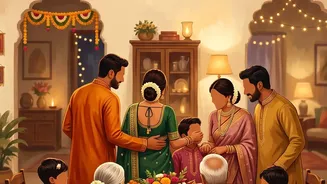
Ultimately, the decision to procure these snacks is deeply emotional. It is about hospitality and connection. When guests visit, offering them a platter of traditional, thoughtfully sourced snacks is a gesture of warmth and a way of sharing the festive spirit. It helps couples maintain a sense of cultural identity and continuity. For many, it's also about ensuring their own children experience the same festive flavours they cherished. By having these snacks in the home, they are keeping a vital part of their heritage alive. It demonstrates that even with evolving lifestyles, the core values of celebration, sharing, and family remain unchanged. These snacks become a symbol of successfully navigating modern life while holding onto what truly matters.