




The Magic of Post-Monsoon Travel
The period from October to March is widely considered the best time to explore the historical sites of Hassan district. After months of rain, the countryside is a canvas of brilliant green, the air is crisp and free of dust, and the weather is pleasantly
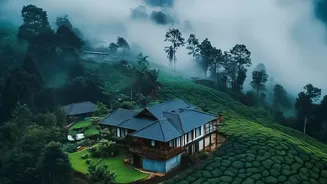
cool, making it ideal for sightseeing and driving. While monsoons can bring freshly washed scenery, the post-monsoon window offers better road conditions and clearer skies, ensuring your views of ancient temples aren't obscured by downpours. This season strikes the perfect balance, allowing you to appreciate both the architectural wonders and the revitalised natural beauty of the Malnad region.
Mapping Your Journey: The Golden Triangle
The heart of this heritage drive is a circuit often called Karnataka's 'Golden Triangle' of temple architecture, connecting Belur, Halebidu, and Shravanabelagola. These sites are all located within the Hassan district, making them easily accessible from Bengaluru (around 220 km away) or Mysuru. A well-planned trip can cover all three spots in a single, long day or, for a more relaxed pace, over a weekend. Starting early from Bengaluru, around 6:00 AM, is recommended to make the most of your day. The route primarily follows National Highway 75 towards Hassan, with well-marked diversions to each historical site.
Belur: Where Stones Tell Stories
Your first major stop could be Belur, nestled on the banks of the Yagachi River. It was the early capital of the Hoysala Empire and is home to the magnificent Chennakeshava Temple. Commissioned in the 12th century, this active Hindu temple is a masterpiece of Hoysala craftsmanship. It reportedly took over 100 years to complete, and once you see the level of detail, you'll understand why. The walls and pillars are covered in breathtakingly intricate carvings depicting deities, celestial dancers (Madanikas), musicians, and epic narratives from the Ramayana and Mahabharata. The sheer artistry on display makes it clear why these temples are on the tentative list for UNESCO World Heritage status.
Halebidu: The Majestic Ruined Capital
Just a short drive from Belur (about 16 km) lies Halebidu, the later capital of the Hoysalas. Here you'll find the Hoysaleswara Temple, another testament to the dynasty's architectural ambition. Though it was never fully completed and was sacked in the 14th century, its grandeur remains undiminished. The temple is dedicated to Lord Shiva and features two identical shrines, each with its own Nandi statue. The exterior walls are adorned with an astounding series of friezes that run for hundreds of metres, showcasing carvings of elephants, lions, horses, and scenes from Hindu mythology. The level of detail invites you to spend hours exploring its storied walls.
Shravanabelagola: A Monument of Faith
A crucial stop on this circuit, Shravanabelagola, offers a different kind of marvel. It is one of the most important Jain pilgrimage centres in India. The site is dominated by the colossal 57-foot monolithic statue of Lord Bahubali (Gommateshwara), which stands atop Vindhyagiri hill. Reaching the statue requires a climb of over 600 steps carved into the rock, but the panoramic view from the top and the serene presence of the statue are well worth the effort. The neighbouring Chandragiri hill is home to several ancient Jain temples (basadis) that are steeped in history and offer a quieter, more contemplative experience.
Practical Tips for Your Drive
To make your heritage drive smooth and enjoyable, consider a few practical points. Hiring a car from Bengaluru or Mysuru offers the most flexibility. The roads to Hassan are generally in excellent condition, making for a pleasant drive. While the main highways are good, some of the smaller roads connecting the sites might be narrower, so driving during daylight is advisable. For accommodation, Hassan town offers a range of budget and mid-range hotels and serves as a convenient base for exploring the area. Don't miss out on the local Malnad cuisine available at restaurants along the way. Pack comfortable walking shoes, as you'll be doing a lot of exploring on foot, especially at Shravanabelagola.