




First, What Are Microgreens?
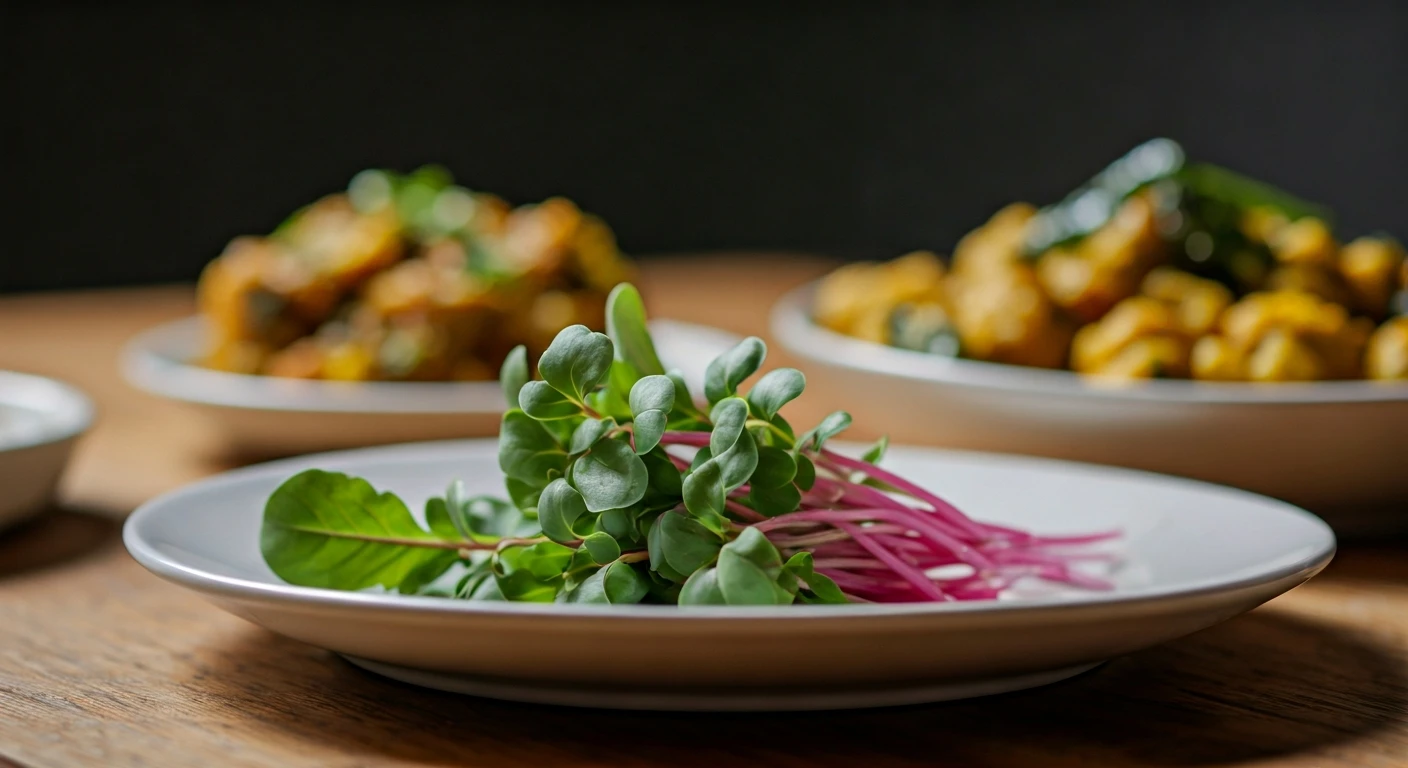
Let’s clear up the confusion. Microgreens aren't sprouts, which are germinated seeds eaten whole. They also aren't baby greens, like spinach or arugula, which are just immature leaves. Microgreens are the next stage: tiny, edible seedlings of vegetables
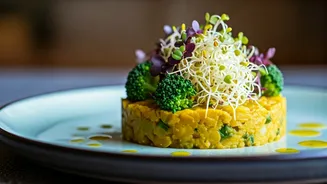
and herbs, harvested just after their first true leaves have developed. Think of them as the toddler version of a plant. What makes them special is their intensity. A radish microgreen tastes like a concentrated burst of radish; a cilantro microgreen packs more punch than a mature leaf. This flavor concentration, combined with their delicate texture and high nutritional density, makes them a secret weapon for chefs and, increasingly, for ambitious home cooks.
The Gen Z Effect: Visuals and Wellness
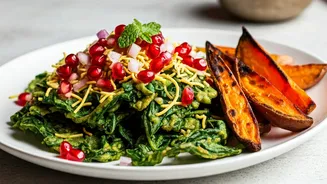
So why is this trend taking hold with younger cooks, particularly Gen Z? It’s a perfect storm of generational priorities. First, we eat with our eyes, and no generation understands this better than the one raised on Instagram and TikTok. A sprinkle of bright fuchsia amaranth or deep green pea shoots can transform a humble, brownish lentil soup into a photogenic masterpiece. It’s an instant visual upgrade that screams “I made this.” Second, there's the wellness component. Gen Z is hyper-aware of nutrition, and microgreens are famously packed with vitamins and antioxidants—often many times more than their fully grown counterparts. Adding them is an easy, low-effort way to boost the nutritional value of a meal without fundamentally changing its character. It satisfies the desire for food that is both delicious and genuinely good for you.
A Modern Twist on Timeless Classics
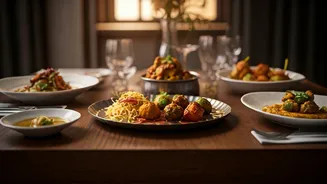
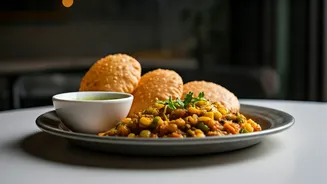
The real magic happens when this global food trend meets the rich, complex world of Indian cuisine. Traditional Indian cooking is masterful with garnishes—fresh cilantro, mint, fried onions, and ginger are essential finishing touches. Microgreens are being adopted as a natural, modern extension of this practice. Picture a creamy, slow-cooked dal makhani, already rich and comforting. Now add a scattering of spicy radish microgreens on top. The sharp, peppery bite cuts through the richness, adding a layer of freshness that brightens the entire dish. Or consider papdi chaat, a festival of textures and flavors. A few cilantro or fenugreek microgreens can amplify the herbaceous notes while adding a delicate, crisp texture that contrasts with the yogurt and chutneys. We're seeing them on everything from biryani and sabzis to savory lentil pancakes (dosa) and even sprinkled over raita for a surprising kick.
Innovation, Not Replacement
This isn’t about replacing tradition but enhancing it. For many second- or third-generation Indian-Americans, cooking is a way to connect with their heritage. But they are also products of a globalized food culture, comfortable with borrowing ingredients and techniques from different cuisines. The use of microgreens isn't a rejection of authentic flavors; it's a creative dialogue between the past and the present. It demonstrates a confidence in the foundation of the cuisine—a foundation so strong that it can easily absorb new elements without losing its soul. By adding a handful of pea shoots or mustard microgreens, these young cooks are personalizing recipes, putting their own signature on the dishes they grew up with. It's a subtle act of evolution, proving that traditional food can be a living, breathing thing that adapts to new tastes and trends.