




A River Like No Other
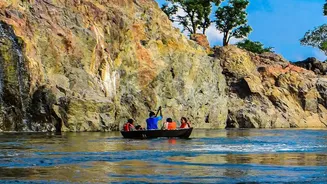
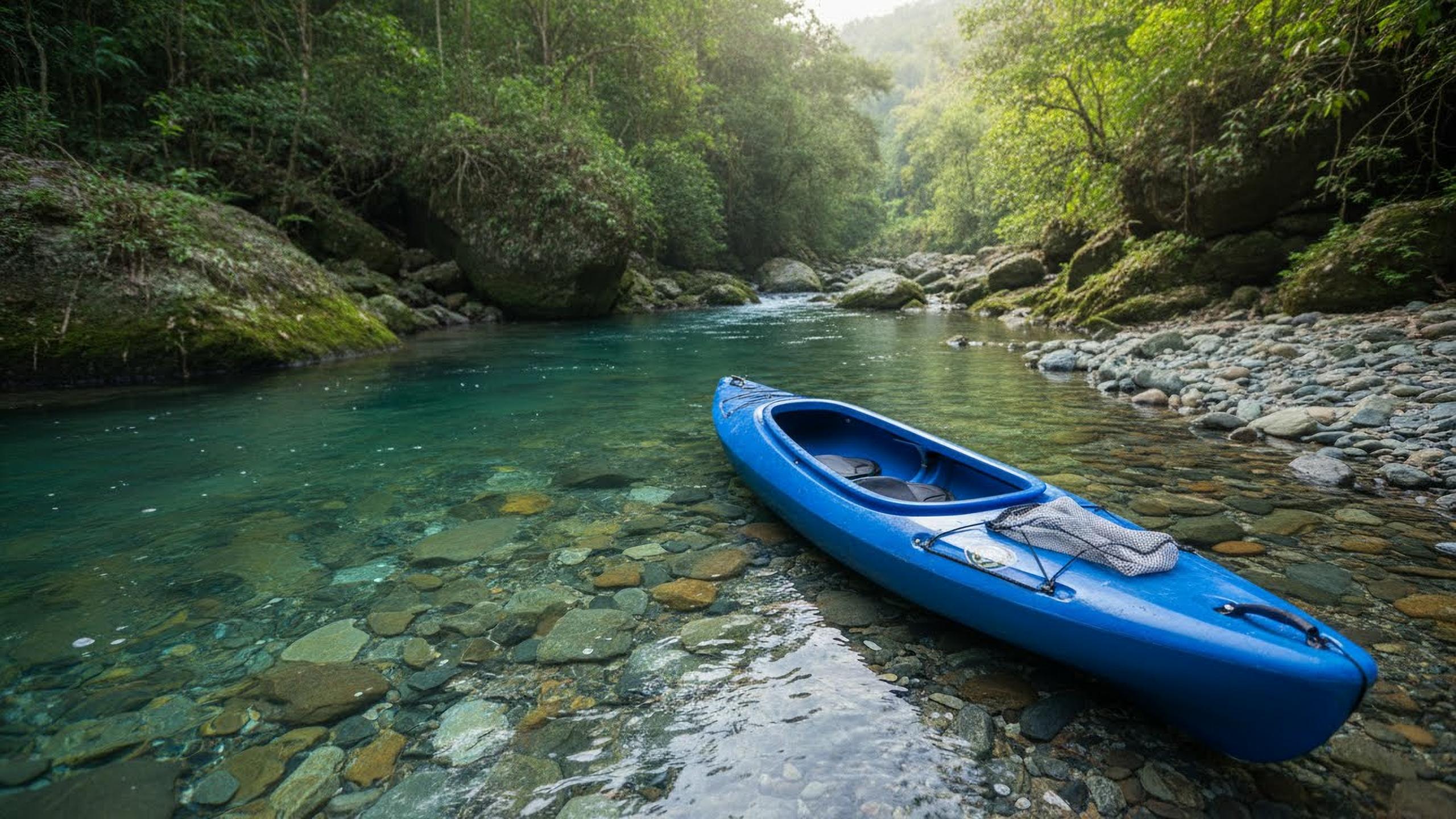
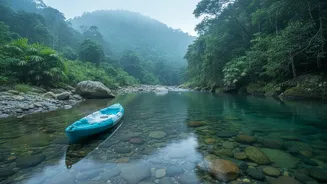
Meghalaya, the 'abode of clouds', is home to some of India’s most stunning landscapes, but few are as iconic as the Umngot River in Dawki. For years, it has drawn travellers from across the globe, mesmerised by its unbelievable clarity. The water is so transparent
that boats appear suspended above the river's rocky floor, creating a surreal and unforgettable experience. This natural marvel is not just a tourist attraction; it is the lifeline for local Khasi communities in villages like Shnongpdeng, who depend on it for their livelihood through boating, fishing, and tourism. The river's health is directly tied to the community's prosperity and cultural identity.
The Creeping Threat of Pollution
The very popularity that made the Umngot famous has also become its greatest threat. A surge in tourism has brought with it an unwelcome tide of single-use plastics—bottles, wrappers, and bags that litter the riverbanks and mar the pristine waters. While local communities and the state government have made efforts to manage waste, the sheer volume can be overwhelming. In late 2025, the river faced a different kind of threat when construction debris from a nearby highway project turned its clear waters murky, sparking alarm among locals and environmentalists and highlighting the ecosystem's fragility. This incident underscored the urgent need for a more sustainable approach to both development and tourism in the region.
Paddling with a Purpose
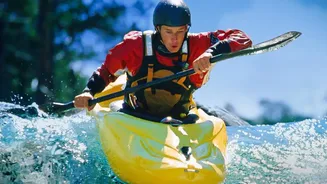
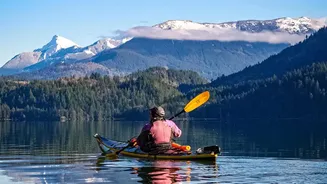
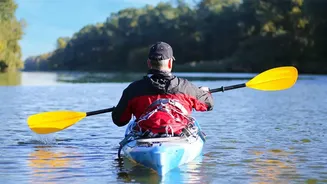
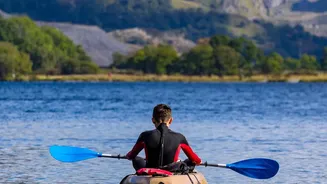
In response to these challenges, a new form of tourism is taking root. Local tour operators and community-led groups are now offering more than just a scenic boat ride; they are providing an immersive environmental education. These eco-kayaking tours are designed to foster a deeper connection with the river. Guides, often local villagers, don't just point out the best photo spots; they share stories of the river, explain the delicate balance of its ecosystem, and highlight the damage caused by pollution. Many tours now incorporate clean-up activities, providing gloves and bags for travellers to collect any waste they find along their route. This hands-on approach transforms a simple recreational activity into a meaningful act of conservation.
From Visitor to Guardian
The impact of this approach is profound. When a traveller actively participates in cleaning the same river they are admiring, their perspective shifts. The problem of plastic waste is no longer an abstract concept but a tangible reality they can hold in their hands. This direct experience—paddling through breathtaking beauty while also confronting the pollution that threatens it—is a powerful catalyst for change. It turns passive tourists into active environmental stewards. Many leave with a heightened awareness of their own consumption habits and a newfound commitment to the 'leave no trace' philosophy, not just in Meghalaya, but in their daily lives. The experience inspires a sense of personal responsibility that a simple sightseeing trip rarely can.
A Sustainable Model for the Future
These eco-kayaking initiatives, coupled with government policies like the 'Green Deposit' scheme—where tourists pay a refundable deposit for any plastic they bring in—are creating a blueprint for responsible tourism. This model ensures that tourism revenue directly supports the communities dedicated to preserving their natural heritage. By empowering local people as guides and conservation leaders, it creates a virtuous cycle: protecting the environment becomes essential for economic well-being. It proves that tourism doesn't have to be a destructive force. Instead, it can be a powerful tool for preservation, funding conservation efforts, and educating a global audience on the importance of protecting our planet’s most beautiful and fragile places.