








From Wool to Wearable Flags
In the early days of the World Cup, jerseys were a purely functional affair. Teams in the 1930s wore heavy, often uncomfortable woollen shirts that were little more than coloured tops to distinguish one side from the other. National identity was expressed
simply through basic colours: Italy in blue, England in white. There were no flashy designs, no lightweight performance fabrics, and certainly no multi-million dollar sponsorship deals. The primary purpose was identification. Yet, even in this simple form, the seeds of symbolism were planted. Wearing your country's colours was the first step in a long journey toward the jersey becoming a powerful emblem of belonging.
The Technicolor Revolution
The true transformation began when the world started watching in colour. The widespread adoption of colour television in the 1960s and '70s turned football pitches into vibrant canvases. Suddenly, a jersey's design mattered immensely. Brazil's brilliant yellow shirt, worn by Pelé and the legendary 1970 squad, became an international symbol of flair and joy. The Netherlands' striking orange kit from 1974 became synonymous with their revolutionary 'Total Football' philosophy. These weren't just team uniforms anymore; they were globally recognized brands, visual shorthand for a nation's style of play and its very character on the world stage.
Iconic Moments, Iconic Kits
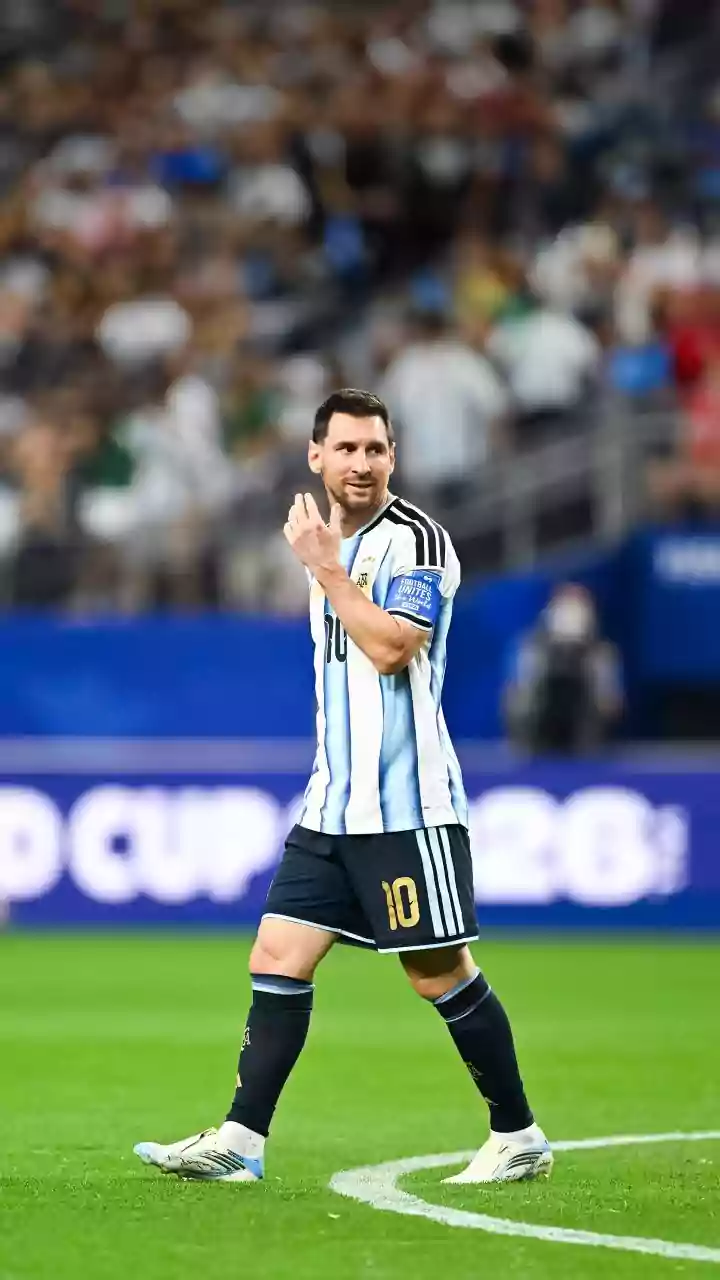
A jersey becomes truly immortal when it's linked to an unforgettable moment in history. Think of Diego Maradona in 1986, weaving through the English defence not just as a player, but as the embodiment of Argentina in its sky-blue and white stripes. That Le Coq Sportif kit is now one of the most revered in history. Consider West Germany's 1990 jersey, with its graphic interpretation of the German flag across the chest; it became a symbol of a reunified nation's triumph. More recently, Nigeria's 2018 kit, with its bold green, white, and black wing pattern, sold out worldwide and became a cultural phenomenon, celebrating the nation's vibrant energy. These shirts are sought-after collector's items because they are tangible pieces of history.
The Rise of Fan Culture and Commerce
The 1980s and '90s saw the commercialization of football explode, and jerseys were at the heart of it. Brands like Adidas and Nike recognized the deep emotional connection fans had and turned the national team shirt into a massive retail industry. FIFA rules prohibit sponsor logos on jerseys during World Cup matches, preserving the sanctity of the national colours. However, this has only increased the focus on the manufacturer's own branding and the design itself. Owning the latest jersey is no longer just for collectors; it is the primary way for a fan to show their allegiance and feel part of the collective excitement, whether in the stadium or watching from thousands of miles away.
A Canvas for Culture and Identity
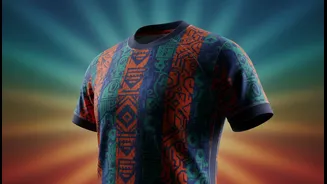
Today, designers are embedding deeper narratives into the fabric. The 2026 World Cup kits are canvases for national stories. Mexico's jersey draws inspiration from Aztec and Mayan art, while Japan's designs often feature intricate patterns representing cultural concepts like unity. Some nations use their kits to make a statement, incorporating symbols of environmental protection or messages of unity. Portugal's wavy patterns evoke its maritime history. These details transform the jersey from sportswear into a piece of cultural expression, telling a story about a nation's past, present, and future aspirations to a global audience.