




The Urban Squeeze is Real
Walk through any major Indian metropolis, from Mumbai to Bengaluru, and you'll notice the trend. As property prices climb and urban populations grow, the average apartment size is getting smaller. The dream of a sprawling home is being replaced by the reality
of a compact, often one-room, studio. For years, the advice for dealing with this was predictable: paint walls white, buy smaller furniture, and hope for the best. This approach treated small spaces as a problem to be endured. But today, a radical shift is underway. Architects and interior designers are no longer just coping with small footprints; they are celebrating them, proving that a lower square footage doesn't have to mean a lower quality of life.
A Shift in Design Philosophy
The new approach to small-space living is less about simple decorating tricks and more about a fundamental change in thinking. It’s about designing for volume, not just area. Instead of seeing a 400-square-foot box, designers see a multi-layered environment with potential for transformation. The core idea is that a single space can serve multiple purposes throughout the day, adapting to the resident's needs. This isn't just about saving space; it's about creating a dynamic, responsive home. It borrows from the efficiency of Japanese design, the ingenuity of boat interiors, and a growing desire for a minimalist lifestyle that prioritises experiences over possessions.
The Magic of Multifunctional Furniture
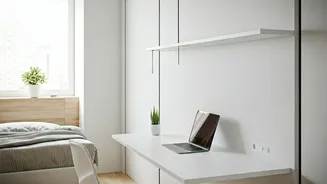
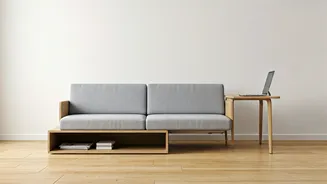
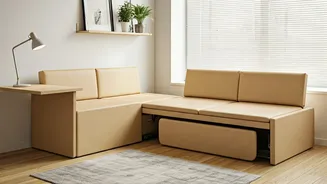
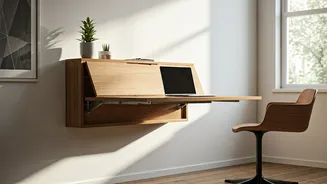
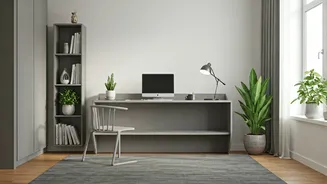
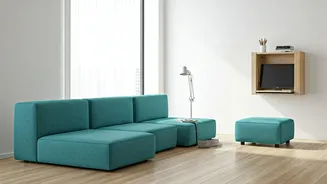
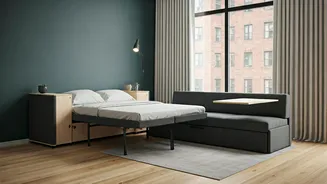
The true hero of the modern micro-apartment is transformable furniture. This is where design gets incredibly clever. Think of a sofa that, with a simple pull, converts into a comfortable queen-sized bed, complete with a side table that folds out from the frame. Imagine a sleek wall unit that hides a fold-down dining table for four, or a coffee table that rises and expands to become a workstation. These pieces are the workhorses of the small home, allowing a living room to become a bedroom, a dining area, or a home office in minutes. By investing in a few high-quality, multifunctional pieces, a studio apartment can gain the functionality of a one-bedroom home without adding a single wall.
Creating Zones Without Walls
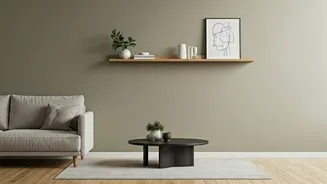
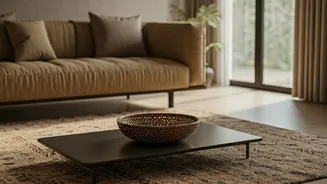
In an open-plan studio, creating a sense of separation is key to making it feel like a proper home. The new way to do this is through 'zoning'. Instead of physical barriers, designers use subtle cues to define different areas. A large rug might anchor the 'living room' zone, while a change in flooring material (like tiles in the kitchen area transitioning to wood in the living space) can create a psychological boundary. Another popular technique is using open-backed shelving units. These act as partitions, offering storage and display space while still allowing light and sightlines to pass through, which prevents the room from feeling closed-in. Even a strategically placed pendant light can define a dining nook, signalling a shift in function without taking up any floor space.
Thinking Vertically: The Untapped Dimension
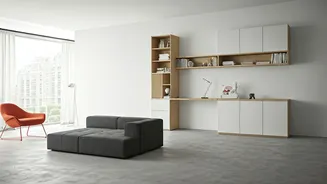
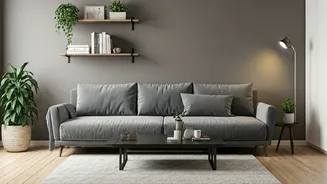
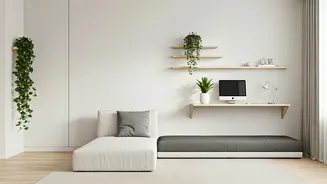
When you can't build outwards, you build upwards. This is a core tenet of 'thinking bigger' in a small space. The vertical dimension is often the most underutilised asset in any home. Floor-to-ceiling custom cabinetry is a game-changer, providing massive amounts of storage while visually drawing the eye upward, making the ceiling feel higher. In apartments with higher ceilings, a loft bed is the ultimate space-saver, freeing up the entire floor area underneath for a desk, a closet, or a cosy seating area. This isn't just about sticking a few high shelves on the wall; it's about integrating vertical storage and function into the very architecture of the space, making it feel intentional and seamless.