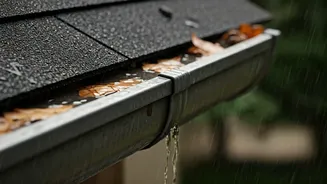









The Hidden Risks of Poor Drainage
It’s easy to overlook the small drain outlet on your balcony, but ignoring it can lead to catastrophic and costly problems. When water has nowhere to go, it pools. This standing water doesn't just create a mess; it actively works to penetrate your home's
structure. Water can seep into tiny cracks in tiles and walls, leading to damp patches, peeling paint, and unpleasant mould growth inside your living space and in the flat below. Over time, this constant moisture can weaken the concrete slab and corrode the steel reinforcements within, compromising the structural integrity of the balcony itself. What starts as a small puddle can escalate into a major structural hazard, with repairs costing thousands.
Warning Signs You Can't Ignore
Your home will often give you clear signals that your balcony drainage is failing. The most obvious is pooling water that remains long after the rain has stopped. This indicates an inadequate slope or a blockage. Other tell-tale signs include water stains or discolouration on the ceiling of the balcony or on the walls inside your home adjacent to it. You might also notice cracked tiles, deteriorating grout, or a persistent musty smell, which points to trapped moisture and potential mould or algae growth. If you see any of these signs, it’s time to take immediate action before the problem worsens.
Your Pre-Monsoon Drainage Checklist
Treating your balcony drain to a seasonal clean-up is a simple task that offers huge returns. Start by putting on a pair of gloves. First, clear away all loose debris like leaves, dirt, twigs, and discarded plastics from the balcony floor, paying special attention to the area around the drain opening. Use a small trowel or an old spoon to scoop out any gunk from inside the drain cover. After removing the physical blockages, it’s time to flush the system. Pour a bucket of water steadily down the drain and watch to see if it flows freely. If it’s slow, a simple homemade solution of baking soda and vinegar, followed by hot water, can help dissolve greasy buildup. Doing this quarterly, and especially before the monsoon, is crucial.
Beyond the Drain: Waterproofing and Sloping
While a clear drain is essential, it's only one part of a comprehensive water management system. The balcony floor itself is the first line of defence. For maximum protection, the floor should have a proper waterproofing membrane installed beneath the tiles. This invisible barrier prevents any water that gets through the grout from seeping into the concrete slab. Furthermore, a balcony should never be perfectly flat. A proper design includes a slight, almost imperceptible slope—typically a 1-in-100 gradient—that guides water naturally towards the drain instead of allowing it to stand. If you consistently have standing water despite a clear drain, your balcony may have a slope issue.
When to Call for Professional Help
Regular cleaning is a manageable DIY task, but some issues require professional expertise. If you notice large cracks in the balcony slab itself, significant gaps where the balcony meets the building wall, or persistently loose tiles, it’s time to call a waterproofing expert or civil contractor. These could be signs of deeper structural movement or a complete failure of the underlying waterproof membrane. Trying to patch up major structural faults with simple sealants is a temporary fix at best. A professional can assess the structural integrity, repair or replace the waterproofing membrane, and ensure your balcony is safe and secure for years to come.