
A Sweet Shift in Home Kitchens
There’s a delicious-smelling trend wafting from urban Indian homes. Scroll through social media, and you’ll find photos of rustic-hued banana bread, dark chocolate brownies, and spiced tea cakes, all proudly tagged #jaggerycake or #nosugar. What was once
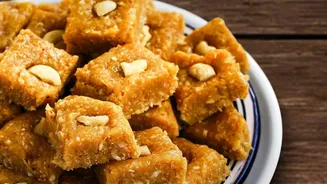
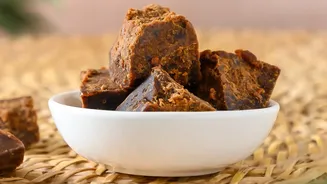
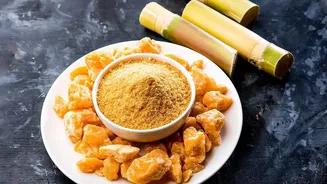
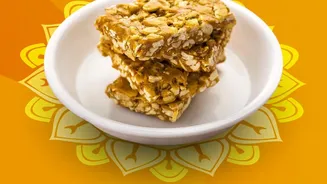
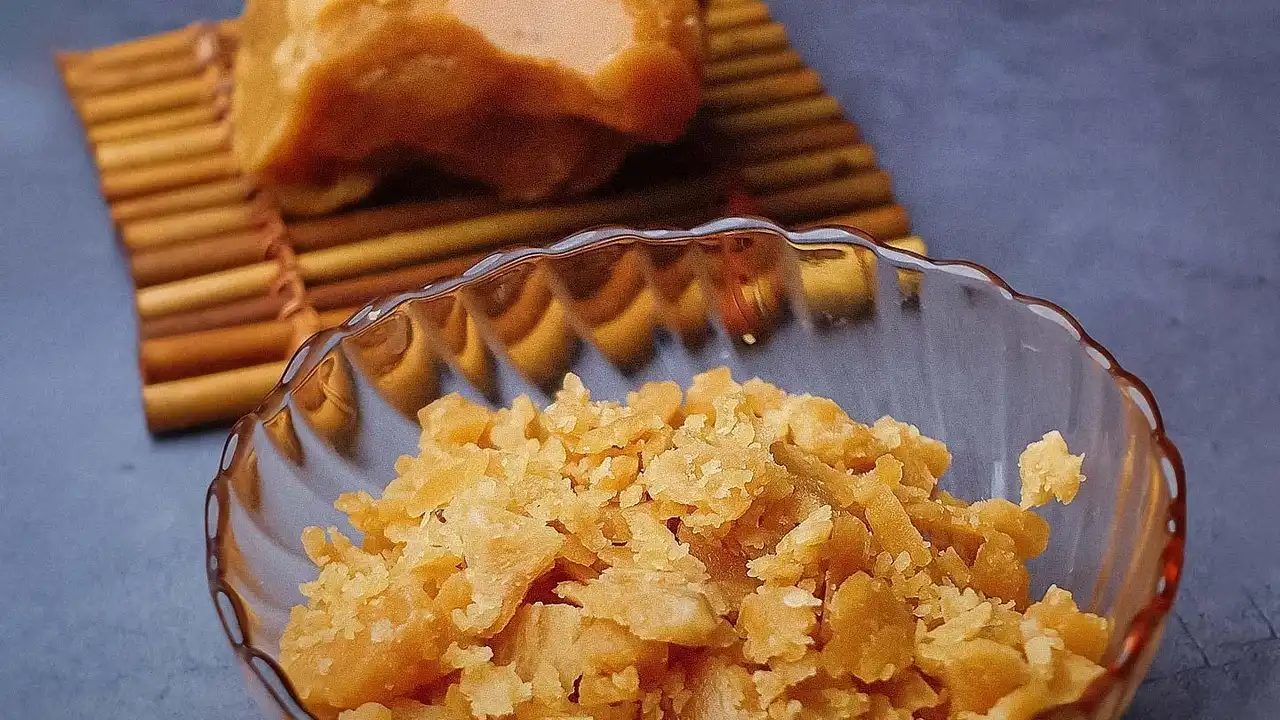
primarily reserved for traditional mithai like ladoos and chikki is now the star ingredient in modern baking. This movement is largely championed by home bakers who are increasingly conscious of what goes into their food. They are driving a return to ingredients perceived as more natural and wholesome, and unrefined 'gur' or jaggery is at the top of their list. This revival isn't just about cutting out white sugar; it’s about embracing an ingredient deeply rooted in Indian culinary heritage and giving it a contemporary makeover.
The Allure of Health and Heritage
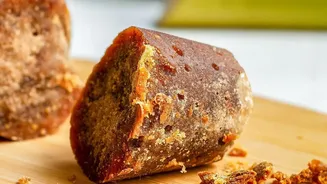
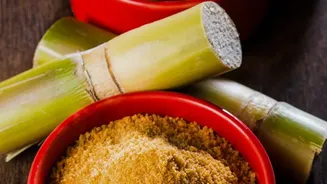
So, why the sudden love for jaggery in baking? The primary driver is health and wellness. Unlike refined white sugar, which is often described as providing 'empty calories', jaggery is unrefined and retains some of the nutrients from sugarcane juice. It contains trace amounts of minerals like iron, potassium, and magnesium. Many proponents believe it offers a host of benefits, from boosting immunity to aiding digestion. Beyond the nutritional aspect, there’s a powerful element of nostalgia. Jaggery’s earthy, caramel-like flavour is the taste of childhood for many, reminiscent of festival sweets made by grandparents. By incorporating it into modern desserts, bakers are not just making a health-conscious choice but also reconnecting with their cultural and culinary roots.
Jaggery vs. Sugar: A Reality Check
While jaggery is certainly less processed, nutritionists urge a balanced perspective. Calorie-wise, jaggery and white sugar are almost identical, with about 385 kcal per 100 grams. It is still a form of sugar and should be consumed in moderation. The key difference lies in its composition. Because it isn't stripped of molasses, jaggery contains more nutrients. For instance, it is a source of plant-based iron and antioxidants. Some studies suggest jaggery digests more slowly than sugar, leading to a less dramatic spike in blood sugar, though other sources indicate it has a high glycemic index. The consensus is that while swapping sugar for jaggery adds some micronutrients to your diet, it isn't a free pass to overindulge. The 'organic' label further appeals to health-conscious consumers, as it suggests the jaggery is produced without chemical agents.
The Baker's Art of Working with Gur
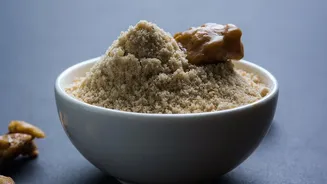
Baking with jaggery is not always a straightforward 1:1 substitute for sugar. As an unrefined product, its flavour, moisture content, and even acidity can vary. Jaggery has a distinct molasses-like, earthy taste that can either complement or overpower other flavours in a recipe. It's also hygroscopic, meaning it attracts moisture, which can result in denser, chewier, and moister baked goods—a desirable trait in cakes and brownies. However, this can also make cookies spread more. Home bakers have found that using powdered jaggery works best as it blends more easily into batters and doughs. Mastering the swap requires some experimentation, with some suggesting you may need slightly more jaggery to achieve the same level of sweetness as sugar.
From Nankhatai to Nutella Cakes
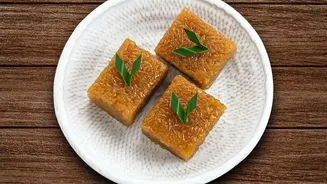
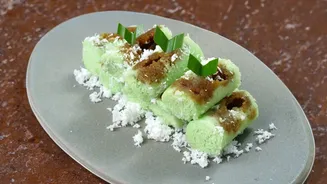
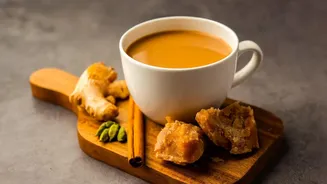
The versatility of jaggery is on full display in this revival. Bakers are using it in everything from traditional Indian sweets with a healthy twist, like ragi ladoos and wheat appams, to classic Western desserts. Imagine cardamom-spiced shortbread that melts in your mouth, banana muffins that stay moist for days, and rich chocolate cakes with a deeper, more complex sweetness. The earthy notes of jaggery pair wonderfully with spices like ginger and cardamom, nuts like almonds, and fruits like apple and banana. This fusion of old and new is creating a whole new category of desserts that feel both indulgent and mindful, proving that traditional ingredients have a firm place in the modern Indian kitchen.