



The Unique Challenge of Potted Plants
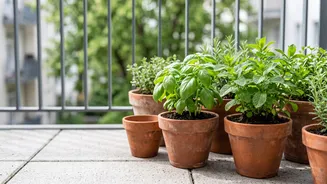
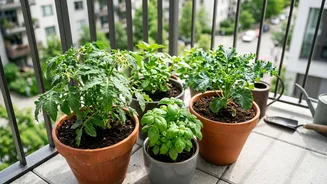
Potted plants are entirely dependent on us for their survival. Unlike their counterparts in a garden, their roots can't spread out in search of water and nutrients. The limited soil volume in a pot means that the available nutrients are used up quickly,
leading to deficiencies that show up as discoloured leaves or stunted growth. Common potting mixes are often designed for drainage, not long-term nutrition, and can lack the beneficial microbes found in garden soil that help plants thrive. This makes container plants particularly prone to lacking essential macronutrients like nitrogen, phosphorus, and potassium, which are vital for their health.
Your Kitchen’s Secret: ‘Black Gold’
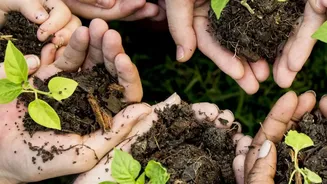
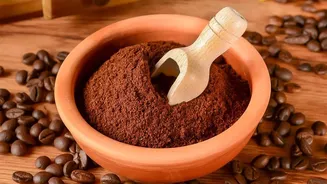
Enter compost. It's often called 'black gold' by gardeners for good reason. Composting is simply the natural process of recycling organic matter—like your fruit and vegetable peels, coffee grounds, and eggshells—into a rich, soil-like material. This finished product is teeming with life and packed with the exact nutrients your plants are craving. By turning your kitchen waste into compost, you’re not just reducing landfill waste; you're creating a powerhouse supplement that revitalises your plant's soil, boosts its health, and supports vibrant growth.
The Slow-Release Superpower of Compost
Unlike chemical fertilisers that provide a sudden, intense jolt of nutrients (which can sometimes 'burn' plants), compost works differently. It's a natural slow-release fertiliser. The organic matter in compost is broken down gradually by microbes in the soil, releasing a steady and consistent supply of nutrients over weeks and months. This 'timed-release' system prevents the boom-and-bust cycle of synthetic feeds, fostering stronger root systems and more balanced, resilient plants. It also improves the soil's ability to hold water, meaning you'll need to water less frequently, and it helps balance the soil's pH, making nutrients more available to the plant's roots.
An Effortless Balcony Compost Setup
Creating compost on a balcony sounds complicated, but it can be incredibly simple. All you need is a container with a lid, like a plastic bucket or bin (at least 75 litres is a good start). Drill several holes on the sides, bottom, and lid to ensure air can circulate—this is crucial for an odour-free process. To avoid any mess, place the bin on a saucer or tray to catch any liquid. This 'compost tea' is also a potent liquid fertiliser. The key is to keep the process aerobic (with oxygen), which speeds up decomposition and prevents bad smells.
The Perfect Recipe for Rich Compost
A healthy compost pile needs a good balance of 'greens' and 'browns'. 'Greens' are nitrogen-rich materials, which are typically moist. This includes most of your kitchen scraps: fruit and vegetable peels, coffee grounds, and used tea leaves. 'Browns' are carbon-rich materials, which are usually dry. Think torn-up cardboard, paper egg cartons, dry leaves, and small twigs. A good rule of thumb is to add a layer of browns whenever you add your kitchen scraps. Avoid adding meat, dairy, or oily foods, as these can attract pests and create odours. Remember to chop larger items into smaller pieces to help them break down faster.
Putting Your Homemade Compost to Work
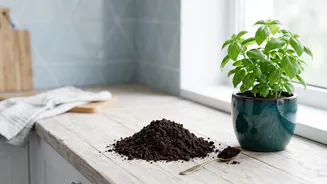
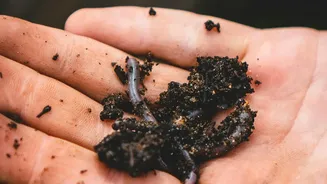
After a few months, the contents at the bottom of your bin will have transformed into a dark, crumbly, earthy-smelling material. This is your finished compost. You can harvest it and use it in a few ways. One of the easiest methods is 'top-dressing'. Simply sprinkle a few centimetres of compost on top of the soil in your pots and gently work it in. Every time you water, the nutrients will slowly wash down to the roots. You can also mix compost into your potting soil when you're repotting a plant to give it an extra-rich foundation for growth.