





The King of the Backyard
For generations, the jackfruit, or 'chakka' as it's lovingly called in Malayalam, has been an integral part of life in Kerala. Native to the Western Ghats, this colossal fruit, which can weigh up to 35 kilograms, has been cultivated in the region for
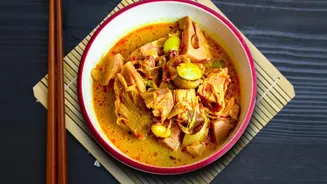
over 3,000 years. It wasn't just food; it was a symbol of abundance and resilience, a dependable source of sustenance that grew right in the family courtyard. Traditionally, every part of the fruit was used. Unripe jackfruit was transformed into savoury dishes like the hearty 'chakka puzhukku', a flavourful mash often paired with spicy fish curry. Ripe jackfruit, with its unique sweet aroma, found its way into desserts like 'chakka varatti', a rich, dark halwa made with jaggery and ghee. It was, and still is, a cornerstone of Malayali home cooking.
A Fading Legacy?
Despite its deep cultural roots, jackfruit's status began to wane for a time. As incomes rose and new food options became available, the labour-intensive process of cutting and preparing the large, sticky fruit seemed less appealing. It was sometimes unfairly labelled as a 'poor man's food', a throwback to an older, less prosperous era. In many places, the fruit was so abundant that a significant portion would go to waste, simply falling from trees and rotting. While it never disappeared from traditional homes, its presence on commercial restaurant menus was rare, considered too rustic for refined dining.
The Superfood Revival
Today, the narrative has completely flipped. The jackfruit is experiencing a spectacular comeback, driven by a confluence of global and local trends. A key turning point was its recognition as a 'superfood'. Internationally, the global rise of veganism and plant-based diets created a massive demand for meat substitutes, and unripe jackfruit, with its fibrous, meat-like texture, was a perfect fit. Health-conscious consumers are drawn to its rich nutritional profile; it's packed with fibre, vitamins, and minerals, yet low in calories. This global interest has been mirrored by a local movement to champion native ingredients and sustainable food systems. The Kerala government officially declared 'chakka' the state fruit in 2018, a move that cemented its cultural and economic importance.
From Rustic to Refined
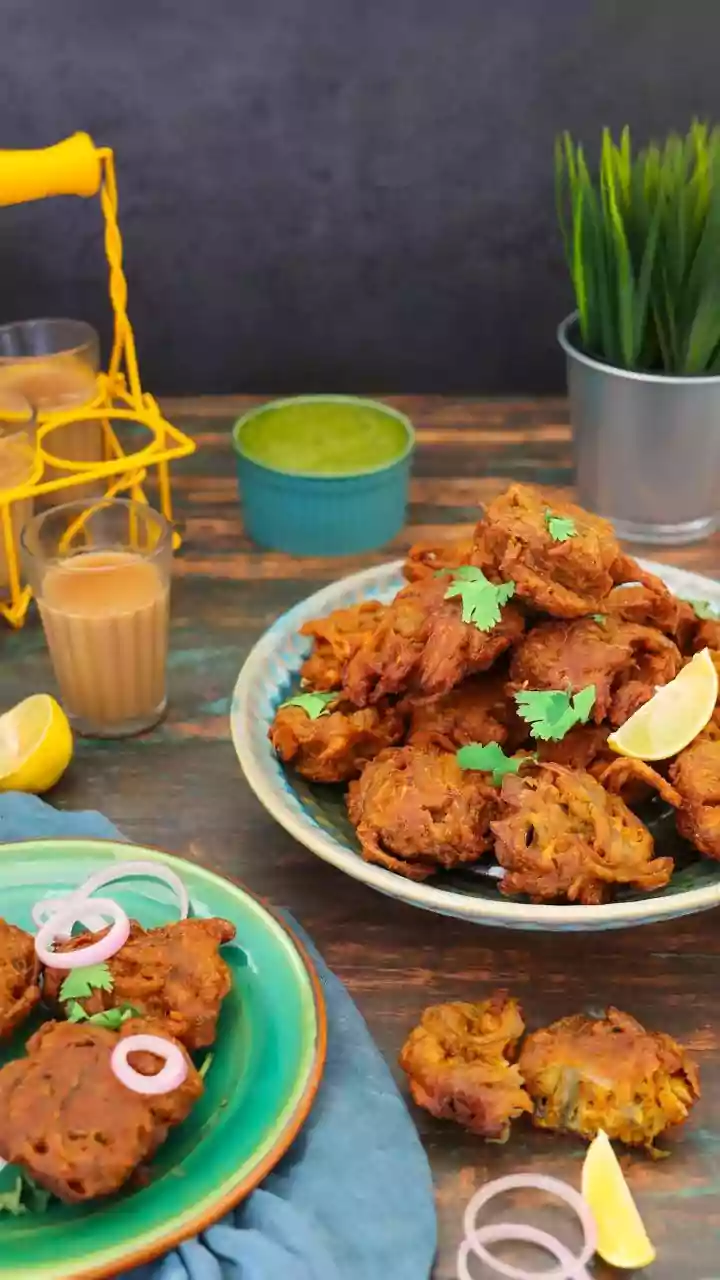
This revival is most visible on the menus of modern urban eateries. Chefs and food entrepreneurs are now creatively reinterpreting this versatile ingredient. You can find tender jackfruit in everything from biryanis and kebabs to burger patties and tacos. Companies are creating ready-to-eat products, making it easier for urban households to incorporate jackfruit into their diets with dishes like jackfruit makhani and even jackfruit seed flour for baking. The innovation extends to desserts as well, with jackfruit appearing in ice creams, payasams, and contemporary sweets that go far beyond the traditional 'chakka varatti'. It’s no longer just a humble curry; it's a gourmet ingredient celebrated for its unique texture and ability to absorb flavours.
More Than Just a Trend
The resurgence of jackfruit is more than just a passing food trend; it represents a deeper cultural shift. It’s about reclaiming heritage, celebrating biodiversity, and promoting sustainable agriculture. Jackfruit trees are hardy, drought-resistant, and require minimal intervention, making them an environmentally friendly crop. By bringing jackfruit back to the forefront, communities are not only preserving culinary traditions but also finding innovative solutions to food security. The journey of the chakka from a backyard tree to a global superfood is a powerful reminder of the hidden treasures within India’s rich agricultural and culinary landscape.