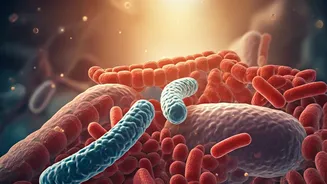









1. Feed Your Friendly Gut Bacteria
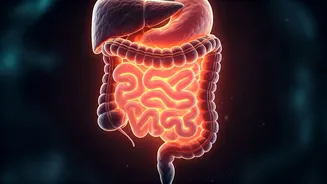
Your gut is home to trillions of microorganisms, collectively known as the microbiome. The key to a healthy gut is maintaining a happy balance of these tiny residents. You can do this by consuming both probiotics and prebiotics. Probiotics are live, beneficial
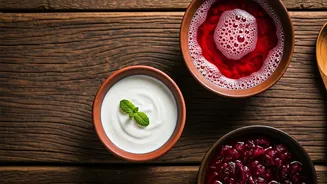
bacteria found in fermented foods. Think of them as reinforcements for your gut army. Excellent Indian sources include dahi (yoghurt), lassi, and fermented pickles like achaar (made traditionally without vinegar). Prebiotics, on the other hand, are the food for these good bacteria. They are types of fibre that your body can't digest but your gut microbes love to munch on. This helps the good bacteria flourish. Load up on prebiotic-rich foods like onions, garlic, bananas (especially slightly unripe ones), oats, apples, and whole grains.
2. Eat a Rainbow of Plants
Variety is the spice of life—and the key to a diverse microbiome. Different types of bacteria thrive on different types of plant fibres. The more diverse your plant intake, the more diverse and resilient your gut ecosystem becomes. Aim to 'eat the rainbow' not just for vitamins, but for your gut. This doesn't have to be complicated. Try adding one extra vegetable to your lunch, like some sliced cucumber and tomato. Have a handful of mixed nuts as a snack. Incorporate a variety of dals and legumes like chickpeas and kidney beans into your weekly meals. A diverse diet creates a robust internal environment that is better equipped to handle stress and fight off harmful pathogens.
3. Manage Your Stress Levels
Have you ever felt 'butterflies' in your stomach when nervous? That's the gut-brain axis in action. Your gut and brain are in constant communication through a network of nerves and chemicals. Chronic stress can wreak havoc on this connection, leading to an imbalance in gut bacteria and even increasing gut lining permeability (sometimes called 'leaky gut'). This can trigger inflammation and affect your mood and cognitive function. Incorporating stress-management techniques into your daily routine is non-negotiable for gut health. This could be a 10-minute morning meditation, deep breathing exercises during your work break, practicing yoga, or simply taking a quiet walk in nature without your phone.
4. Prioritise Quality Sleep
Sleep is when your body, including your gut, repairs and resets. A lack of quality sleep can disrupt the natural rhythms of your microbiome, much like jet lag throws off your body clock. Studies have shown that even a couple of nights of poor sleep can alter the composition of your gut bacteria, favouring the types associated with inflammation and metabolic issues. Aim for 7-8 hours of consistent, restorative sleep per night. Establish a relaxing bedtime routine: dim the lights, avoid screens an hour before bed, and make your bedroom a cool, dark, and quiet sanctuary. Your gut will thank you for it with better function and resilience.
5. Move Your Body Regularly
Regular physical activity is fantastic for your overall health, and your gut is no exception. Moderate exercise, like a brisk 30-minute walk, can improve gut motility (keeping you regular) and has been shown to increase the diversity of beneficial bacteria. It also helps reduce stress, which, as we've seen, is another major win for your gut. You don't need to run a marathon. The key is consistency. Find an activity you enjoy, whether it's dancing, cycling, or playing a sport. Regular movement helps stimulate digestion and contributes to a healthier, more balanced gut environment that supports your entire system.