







The Great Indian Wedding Hangover
For generations, the 'Big Fat Indian Wedding' has been a vibrant, multi-day spectacle of joy, tradition, and community. But in today's fast-paced world, it comes with a hidden cost: burnout. Young professionals, already juggling demanding careers and city
life, often spend months planning and executing these elaborate events. The constant decision-making, family management, and social obligations can be profoundly draining. By the time the final guest leaves, many couples find themselves not just tired, but completely depleted, a state far beyond simple post-party fatigue. This 'wedding hangover' is compounded by pre-existing professional stress, creating a perfect storm of mental and physical exhaustion right at the start of a marriage.
From Tourist Traps to Tranquil Retreats
The traditional honeymoon—a whirlwind tour of a European city or a packed itinerary at a beach destination—is starting to feel less like a reward and more like another item on a long to-do list. In response, a growing number of young Indian couples are redefining post-nuptial travel. They are intentionally choosing to slow down, disconnect, and heal. Instead of chasing experiences for social media, they are seeking quiet spaces to reconnect with themselves and, more importantly, with each other. This has fuelled the rise of the wellness honeymoon, where the primary goal is not exploration but restoration. It’s a conscious pivot from doing more to simply being more.
What 'Holistic' Actually Means
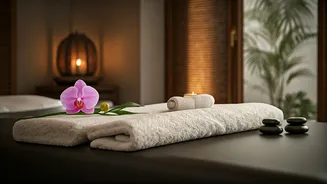
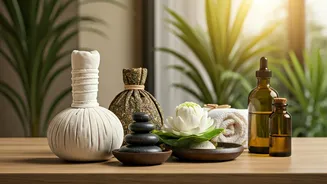
The term 'holistic' is key to understanding this trend. These retreats offer far more than the standard spa menu of massages and facials. A holistic approach treats the body, mind, and spirit as an interconnected system. A typical day might begin with guided sunrise yoga or meditation, followed by a nourishing, farm-to-table breakfast designed by an Ayurvedic doctor. Couples often receive personalised wellness consultations to address specific imbalances, from poor sleep to high stress. Activities may include everything from pranayama (breathing exercises) and pottery classes to nature walks and silent digital-detox periods. The focus is on equipping couples with sustainable wellness practices they can take back into their daily lives, rather than just providing a temporary escape.
An Investment in Marital Wellness
Experts in wellness and relationships see immense value in this shift. Dr. Anjali Sharma, a Mumbai-based psychologist specialising in couples therapy, notes, “Starting a marriage from a place of shared rest and mindfulness sets a powerful precedent. When a couple learns to manage stress together and prioritises their well-being from day one, they are building a much stronger foundation.” These retreats provide a unique, distraction-free environment. Without the pressures of work emails or family obligations, couples can have deeper conversations, address the emotional comedown from the wedding, and set joint intentions for their future. It’s a transition from the public performance of a wedding to the private, intimate reality of a partnership.