




The Calming Anchor: How Yoga Grounds Your Mood
Yoga is widely known for its calming effects on the mind and nervous system. The practice combines physical postures, controlled breathing (pranayama), and meditation to foster a deep mind-body connection. This approach is particularly effective for managing
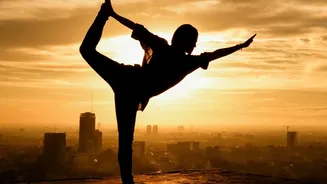
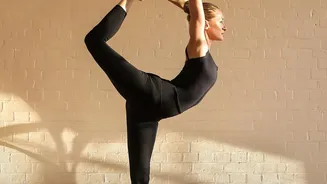
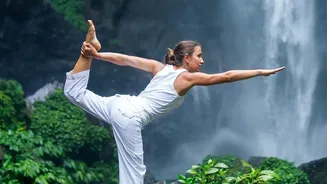
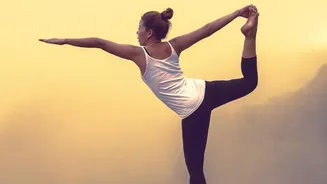
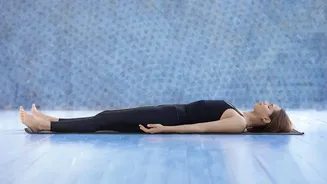
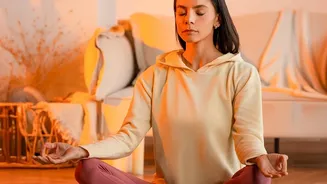
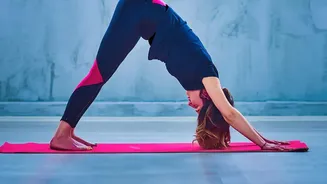
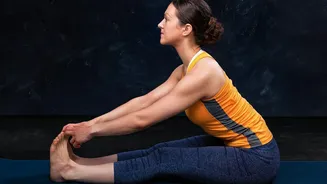
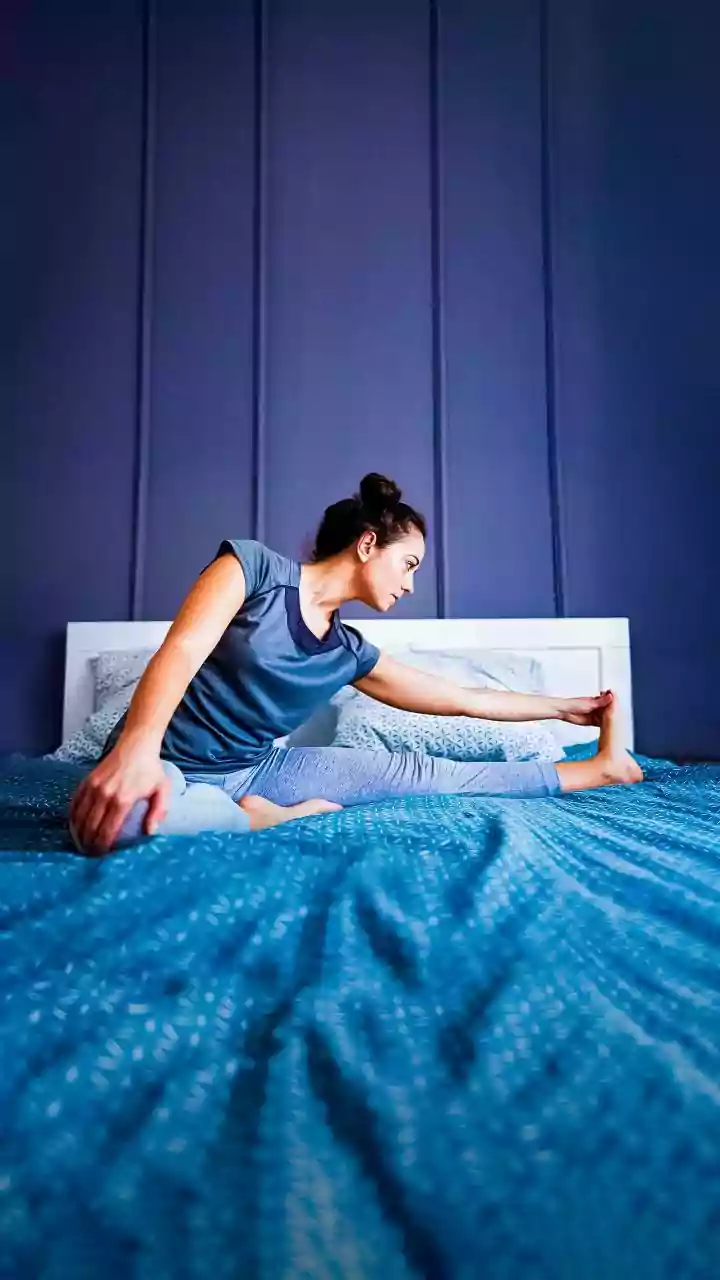
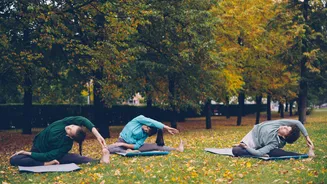
stress and anxiety. Research has shown that regular yoga practice can lower levels of cortisol, the body’s primary stress hormone. By emphasizing mindfulness and focusing on the present moment, yoga helps quiet the mental chatter that often fuels anxiety. Studies suggest that yoga can elevate levels of a brain chemical called gamma-aminobutyric acid (GABA), which is associated with better mood and decreased anxiety. The practice encourages you to turn inward, observe your thoughts without judgment, and release physical tension, which can also relieve pent-up emotions. If your goal is to find a sense of peace, reduce feelings of being overwhelmed, and cultivate a state of calm, a yoga session is an excellent choice. Slower forms like Hatha or Yin yoga are especially beneficial for this purpose.
The Joyful Release: How Dance Elevates Your Spirit
Where yoga grounds, dance liberates. Dance is a powerful tool for emotional expression and can be a potent mood elevator. It offers a cathartic outlet to channel feelings that are difficult to verbalize. The combination of physical movement, music, and, often, social interaction creates a 'neurochemical symphony'. Moving your body, especially to a rhythm, triggers a significant release of endorphins, the brain's natural 'feel-good' chemicals that act as mood boosters and pain relievers. Some research even suggests that dance can be more effective at easing symptoms of depression than other forms of exercise. Beyond endorphins, dancing can increase levels of serotonin, a key neurotransmitter for mood regulation, and dopamine, which is linked to pleasure and reward. Furthermore, dancing in a group setting can enhance social bonding and release oxytocin, the 'connection' hormone, which reduces stress and fosters a sense of belonging. If you're feeling low, disconnected, or simply need an injection of pure joy, putting on your favourite music and dancing can be a transformative experience.
Serenity vs. Celebration: What's Happening in the Brain?
Both yoga and dance positively impact your brain chemistry, but they do so in different ways. Yoga’s strength lies in its ability to calm the nervous system. By stimulating the parasympathetic nervous system (the 'rest-and-digest' system), it reduces your physiological stress response, slowing your heart rate and promoting relaxation. The meditative component reduces activity in the limbic system, the brain's emotional center, helping you become less reactive to stressors. Dance, on the other hand, is more about stimulation and activation. The energetic movement provides a major endorphin rush, which is why you might feel a 'dancer's high'. This effect is amplified when you move in sync with other people. The act of learning and executing steps also engages cognitive functions like memory and focus, which can boost mental sharpness. While both activities can improve your mood, the pathway is different: yoga achieves it through tranquility and mindful awareness, while dance uses exuberant expression and neurochemical release.
What Does Your Mind Need Today?
Choosing between yoga and dance ultimately depends on your personal goals and your current emotional state. There is no single 'better' option; the right choice is the one that meets your needs in the moment. Ask yourself: what am I seeking right now? If you feel frazzled, anxious, or overwhelmed by a racing mind, yoga offers a sanctuary. It will help you slow down, connect with your breath, and find a stable center. It's a practice of turning inward to find peace. If you are feeling lethargic, sad, or isolated, dance provides a powerful antidote. It is an externalizing practice that allows you to release pent-up energy, express your emotions freely, and connect with music and others. Think of it as a choice between a quiet conversation with yourself and a joyous celebration with the world. On some days, you may need the quiet introspection of a yoga flow; on others, you might crave the uninhibited release of a dance session. Listening to your emotional needs is key to making the best choice for your well-being.