







The Power of a Small Habit
It might not seem like much, but the cumulative effect of a daily five-minute stretch is significant. Consistent stretching increases blood flow, which delivers more oxygen to your muscles and brain, helping you feel more alert. This small act helps maintain
your range of motion, making everyday tasks like bending down or reaching for a high shelf easier. Over time, it can lead to better posture, reduced muscle tension, and a lower risk of injury. Studies have even shown that regular stretching can help manage chronic low back pain and may even contribute to better cardiovascular health by making arteries less stiff.
A Quick Note on Safe Stretching
Before you begin, remember to listen to your body. A stretch should feel like a gentle pull, never a sharp or stabbing pain. If you feel pain, ease off immediately. Breathe deeply and steadily throughout each movement; inhale as you prepare and exhale as you move into the stretch. Never hold your breath, as this creates tension. Finally, avoid bouncing. Holding a stretch in a still position is safer and more effective than jerking or bouncing, which can cause muscle tears.
Your 5-Minute Full-Body Routine
This routine is designed to target major muscle groups that get tight from daily life, especially sitting. Move gently through each stretch, holding for the recommended time.Neck Tilts and Shoulder Rolls (60 seconds): Sit or stand tall. Gently tilt your right ear toward your right shoulder, holding for 15-20 seconds to feel a stretch along the left side of your neck. Repeat on the left side. Then, slowly roll your shoulders up toward your ears and then backward in a circle five times, and forward five times to release upper back tension.Cat-Cow Stretch (60 seconds): Get on your hands and knees, with hands under your shoulders and knees under your hips. Inhale as you drop your belly, lifting your chest and tailbone to arch your back (Cow Pose). Exhale as you press into your hands, rounding your spine toward the ceiling and tucking your chin (Cat Pose). Flow between these two poses for about a minute to improve spinal mobility.Seated Hamstring Stretch (60 seconds per leg): Sit on the floor with your right leg extended straight and your left foot pressed against your inner right thigh. Hinge forward from your hips, keeping your back straight, and reach toward your right foot until you feel a stretch in the back of your thigh. Hold for 30 seconds, then switch legs.Standing Quad Stretch (30 seconds per leg): Stand and hold onto a chair or wall for balance. Bend your right knee and grab your right foot, gently pulling your heel toward your glute. Keep your knees close together. You should feel a stretch in the front of your thigh. Hold for 30 seconds and repeat on the other leg.Seated Spinal Twist (60 seconds): Sit on the floor with your legs crossed or extended. Place your right hand behind you for support. Put your left hand on your right knee and gently twist your upper body to the right. Hold for 30 seconds, breathing steadily, and then repeat on the other side. This helps improve rotational mobility in your spine.
Making It Stick
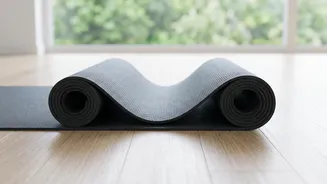
The key to reaping the benefits of stretching is consistency. The best way to build a habit is to link it to an existing one, a technique known as 'habit stacking'. Try doing this routine right after you brush your teeth in the morning or just before you settle down for the evening. Placing your yoga mat where you can see it can also serve as a visual reminder. Start with the goal of just five minutes a day. Once the habit is established, you may find yourself naturally wanting to extend the time. Remember, it's not about achieving perfect flexibility overnight; it's about showing up for yourself consistently.