


The Myth of the Perfect Road Trip
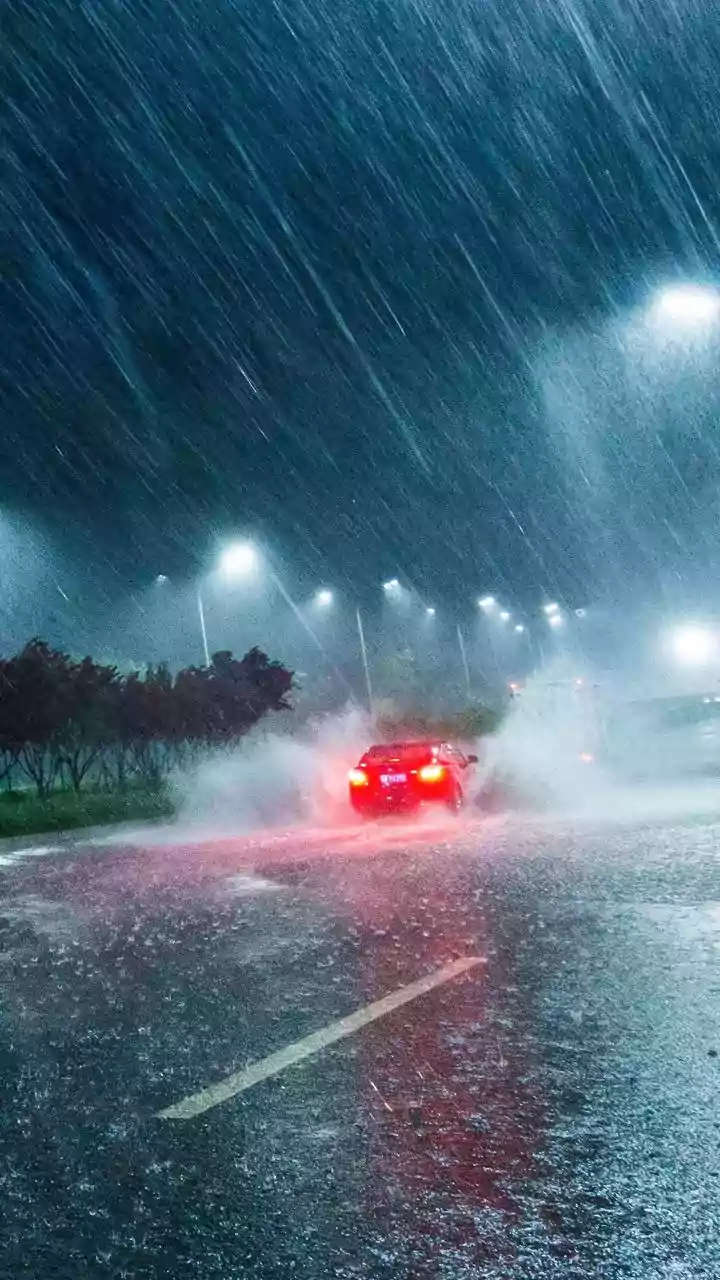
The image of a family road trip is deeply embedded in our culture — a car packed with snacks, a curated playlist, and endless open roads. In India, however, the reality can be quite different. Beyond the national highways, which have seen significant
improvements, many routes are plagued by poor conditions, unpredictable traffic, and a lack of safe, clean amenities like toilets and restaurants. For parents, this translates into high-stress journeys. The driver must remain hyper-vigilant, navigating not just other vehicles but also unexpected potholes and wandering animals. The other parent is often on duty managing restless children in a confined space. Add to this the rising cost of fuel, toll taxes, and the risk of breakdowns, and the “freedom of the road” starts to feel more like a trap. Safety is another major concern, with overspeeding and reckless driving contributing to India's high rate of road fatalities.
The Overlooked Comfort of the Carriage
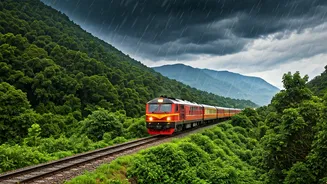
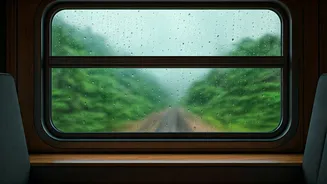
Train travel offers a powerful antidote to the chaos of the road. For families, the advantages are numerous and immediate. The most significant benefit is space. Children aren't strapped into a seat for hours on end; they can move, stretch, and even lie down for a proper nap in a sleeper coach. This freedom dramatically reduces the friction and frustration that often accompany long car rides. Parents, freed from the demands of driving and navigation, can relax and engage with their children. The journey itself becomes part of the vacation, offering changing landscapes and a chance to unwind. Modern amenities like onboard catering, clean toilets, and charging points for devices further enhance the experience, making long-distance travel significantly more comfortable and less draining for the entire family.
A Glimpse of a Better Future
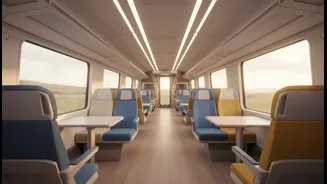
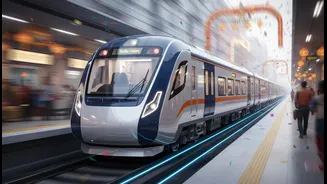
Indian Railways is already showing what's possible. The introduction of modern train sets like the Vande Bharat and Amrit Bharat Express signals a new era for rail travel. Vande Bharat trains, with their airplane-like interiors, large windows, and high speeds, have made intercity travel faster and more comfortable, especially on scenic routes like Mumbai-Goa. The Amrit Bharat Express, designed as a non-AC, affordable option, brings modern features like cushioned berths, CCTV cameras, and jerk-free couplers to a wider segment of the population. These trains are not just about speed; they represent a fundamental shift in design philosophy, focusing on passenger experience. Initiatives like the trial of 'baby berths' for mothers with infants also show a growing recognition of family needs. These are welcome steps, but they remain limited to specific routes and need to be scaled up.
What Still Needs to Be Done
Despite these positive developments, significant hurdles remain. For many families, the biggest obstacles are the unpredictability of booking and the inconsistent quality of service on older lines. Securing confirmed tickets, especially during peak holiday seasons, can be a lottery. While new trains are impressive, a large part of the network still relies on aging coaches where cleanliness and punctuality can be issues. The government has announced massive investment plans for modernizing stations and tracks, which is a critical long-term goal. But in the short term, the focus must be on reliability, cleanliness, and accessibility across the entire network, not just on premium routes. A family's decision to travel by train shouldn't depend on whether they were lucky enough to get a ticket on a newly launched service.
An Investment in Family Well-being
Prioritizing rail travel is about more than just transport policy; it's an investment in the well-being of Indian families. Every family that chooses a safe, comfortable train journey over a stressful, hazardous road trip is a small victory for public health and safety. Reducing our dependence on cars also has significant environmental benefits, cutting down on carbon emissions. By creating a robust, family-friendly railway network, we can ensure that travel is a source of joy, not anxiety. It would allow families to connect with each other and explore the country in a way that is affordable, sustainable, and, most importantly, relaxing. The romance of the journey shouldn't be reserved for those who can afford luxury; it should be a public good, accessible to all.