




The Science of the Smoke
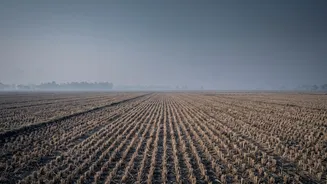
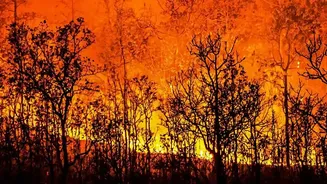
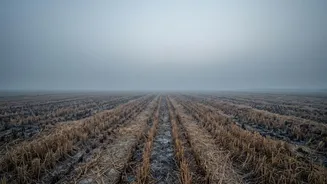
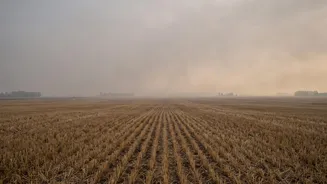
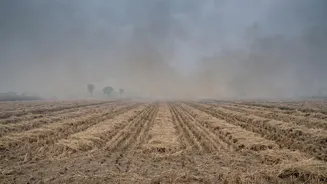
Every year, between October and November, vast stretches of farmland in Punjab, Haryana, and western Uttar Pradesh are set on fire. This practice, known as stubble or crop residue burning, involves burning the leftover paddy straw after the rice harvest.
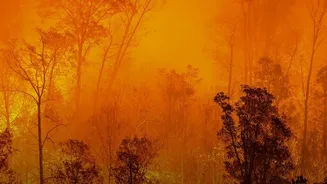
The smoke releases a toxic mix of pollutants, including fine particulate matter (PM2.5), black carbon (soot), carbon monoxide, and other volatile organic compounds. Prevailing northwesterly winds during this season carry this plume of pollution hundreds of kilometres across the Indo-Gangetic Plain, severely impacting the air quality in cities like Delhi, Kanpur, and beyond.
Quantifying the Contribution
The contribution of stubble burning to urban air pollution is not constant; it fluctuates based on the number of farm fires and meteorological conditions. On days with high fire counts and unfavourable winds, its impact can be overwhelming. According to SAFAR, the Indian government's air quality forecasting agency, the share of farm fires in Delhi's PM2.5 pollution can range from low single digits to over 40% on peak days. Some studies have reported that during peak burning periods, the contribution can be even higher, periodically accounting for a significant portion of the particulate matter that chokes the capital. A recent study noted that the mean contribution of crop residue burning to surface PM2.5 across the region was 30-34%, rising to over 50% during specific plume events.
The Farmer's Economic Reality
While it's easy to blame farmers, the decision to burn stubble is rooted in economic and logistical compulsions. The primary driver is the extremely short window—often just 15 to 20 days—between harvesting paddy (rice) and sowing the next crop, wheat. Clearing fields manually is labour-intensive and costly. Using machinery to manage the residue is expensive, with many small-scale farmers unable to afford the necessary equipment. Burning, in contrast, is the cheapest and fastest method to prepare the land. Furthermore, the widespread use of mechanised combine harvesters leaves taller stalks of stubble, making the problem worse. Unlike wheat straw, paddy straw has high silica content, making it unsuitable as animal fodder, which reduces its economic value for farmers.
A Public Health Emergency
The consequences of this annual pollution event are severe. The spike in PM2.5 and other toxins leads to a public health crisis every winter. Hospitals report a surge in patients with respiratory ailments, including coughing, asthma attacks, bronchitis, and eye irritation. Children and the elderly are especially vulnerable. Studies have directly linked exposure to crop-burning smoke with an increased risk of acute respiratory infections and have estimated significant economic losses due to health costs. The pollutants can penetrate deep into the lungs and even enter the bloodstream, posing long-term cardiovascular and respiratory risks.
The Search for Lasting Solutions
Efforts to curb stubble burning have been ongoing for years but have met with limited success. The government has offered subsidies for farmers to purchase specialised machinery like the Happy Seeder or Super Seeder, which can sow wheat seeds without needing to clear the stubble first. Another key strategy is creating a market for the residue itself. Ex-situ (off-field) solutions include converting the straw into biomass pellets for use in power plants, producing bioethanol, or using it in paper and packaging industries. However, challenges related to the cost of these machines, logistical issues in collecting and transporting the straw, and the sheer scale of the residue generated mean that a single solution is not enough. Many experts believe a multi-pronged approach combining technological support, economic incentives, and stricter enforcement is necessary.