




Start with a Clean Slate
The single most important rule of storing wool is to wash your garments before you pack them away. Even if a sweater looks clean, invisible sweat, body oils, and tiny food particles can linger on the fibres. These residues are what attract clothes moths,
not the wool itself. Before long-term storage, either hand wash your sweaters using a dedicated wool-safe detergent in cool water or have them professionally dry-cleaned, following the care label instructions. Wool has natural antibacterial properties, so it doesn't need washing after every wear, but a final clean before storing is non-negotiable for preventing pests and set-in stains.
Ensure Everything Is Completely Dry
Moisture is the enemy of stored clothing, promoting mildew and musty odours. After washing, never wring or twist a wool sweater, as this damages the fibres. Gently squeeze out excess water, then lay the sweater flat on a clean, dry towel. Roll the towel and sweater together, pressing gently to absorb more water. Finally, unroll and lay the sweater flat on a fresh, dry towel or a mesh drying rack, away from direct sunlight or heat. Allow it to air-dry completely, which may take a day or two. Be patient; even a slightly damp sweater packed away can lead to problems.
Master the Art of the Fold
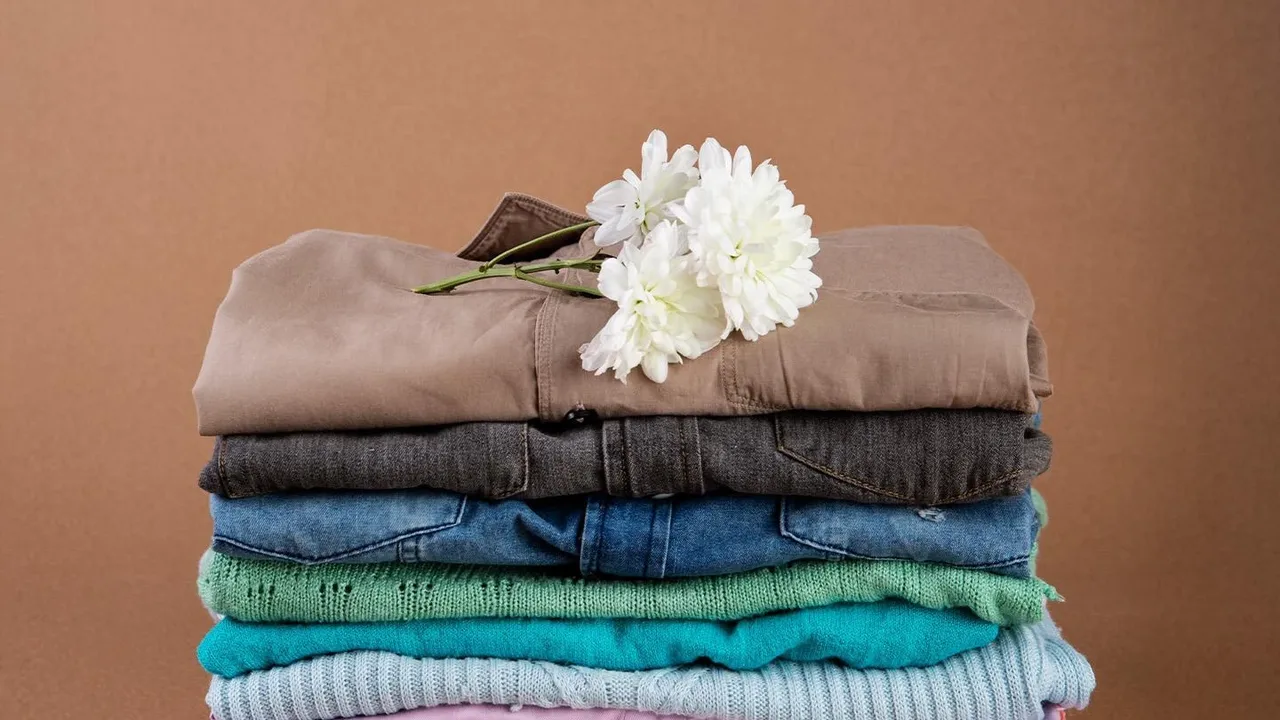
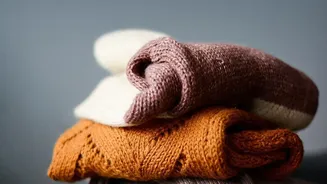
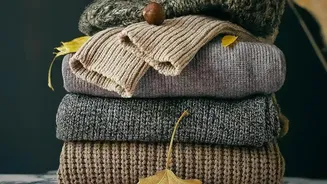
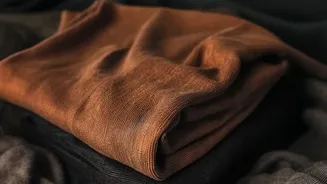
Never, ever hang your heavy wool sweaters on a traditional hanger for long-term storage. The weight of the knit will cause the shoulders to develop bumps and the entire garment to stretch out of shape. Folding is the only way to preserve the sweater's intended form. A popular and effective method is to lay the sweater face down on a flat surface. Fold each arm and a portion of the side inward to create a neat rectangle. Then, fold the rectangle in half or thirds, depending on its length. This creates a compact bundle that prevents sharp creases down the middle.
Choose Breathable Storage
While it might seem logical to seal woollens in airtight plastic containers or vacuum bags, this is a mistake. Wool is a natural fibre that needs to breathe. Sealing it in plastic can trap any residual moisture, leading to yellowing or mildew. Vacuum-sealing for long periods can also crush the delicate fibres and leave permanent creases. Instead, opt for breathable storage solutions like canvas bins, linen boxes, or cotton garment bags. A clean, dedicated drawer or a well-ventilated shelf in a cool, dark, and dry closet is also an excellent choice.
Ward Off Pests Naturally
Forget the harsh chemical smell of old-fashioned mothballs. There are effective, natural alternatives to protect your woollens. Cedar is a classic choice; its aromatic oils repel moths. You can use cedar blocks, balls, or shavings placed among your sweaters. Sachets filled with dried lavender are another popular and pleasant-smelling deterrent. Other options include dried rosemary, cloves, or bay leaves. Remember to refresh or replace these natural repellents every season, as their scent and effectiveness will fade over time.
Don't Overcrowd Your Sweaters
The final step is to give your sweaters some space. Avoid cramming too many into one drawer or stacking them in towering, wobbly piles. Over-stacking can compress the sweaters at the bottom, crushing the lofty fibres and creating deep-set wrinkles. If you're using a drawer, filing your folded sweaters vertically is a great way to see everything at once and pull one out without disturbing the rest. On a shelf, keep stacks short and neat. Proper spacing allows for air circulation and ensures your sweaters emerge from storage as plush and perfectly shaped as when you put them away.