



Become a Sunlight Detective
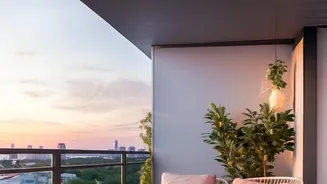
Before buying any plants, spend a day observing your balcony. Urban apartments have unique light patterns due to surrounding buildings. Note when direct sun first hits different spots and when it leaves. You don't need special tools; just check every
hour or so. A simple way to tell direct from indirect light is to look at shadows. A sharp, clear shadow means direct sun, which is what most flowering and vegetable plants need. Soft or absent shadows indicate indirect or filtered light. Categorise your space into three main zones: Full Sun (6+ hours of direct sun), Partial Sun/Shade (3-6 hours, ideally gentle morning sun), and Shade (less than 3 hours of direct sun). Balconies facing South or West typically get the most intense sun, while North and East-facing ones are shadier.
Plants for Full-Sun Balconies
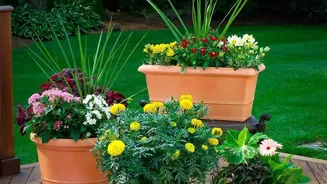
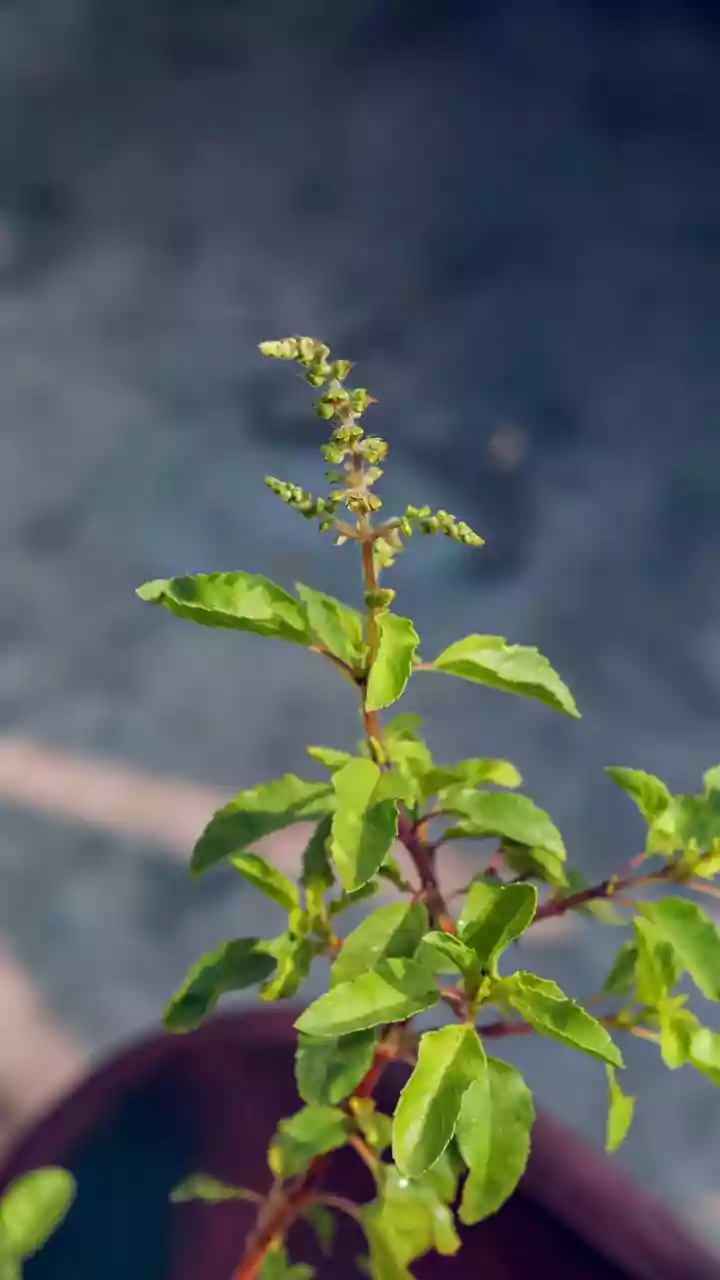
If your balcony gets more than six hours of direct, unfiltered sunlight, you have the perfect spot for sun-worshippers. These plants convert that powerful energy into vibrant blooms and produce. Bougainvillea is a classic choice, known for its colourful bracts and hardy nature in Indian climates. Marigolds (Genda) and Hibiscus also flourish in these conditions, providing consistent colour. For those wanting to grow their own food, tomatoes, chillies, and brinjal are excellent options, as they need at least 5-6 hours of sun to fruit properly. Herbs like Tulsi (Holy Basil), lemongrass, and curry leaves also thrive in the heat and bright light of a sunny Indian balcony.
Perfect Picks for Partial Sun
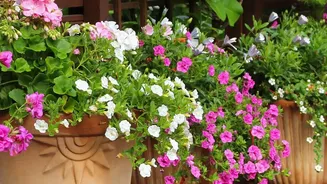
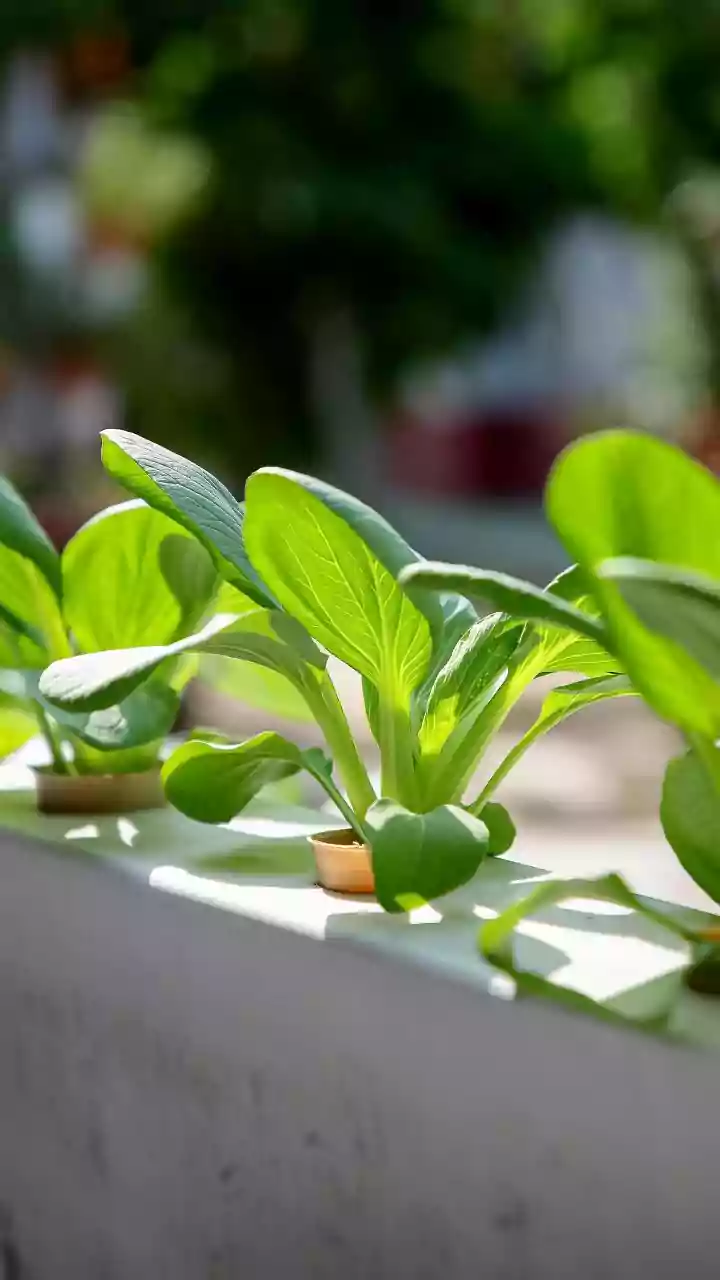
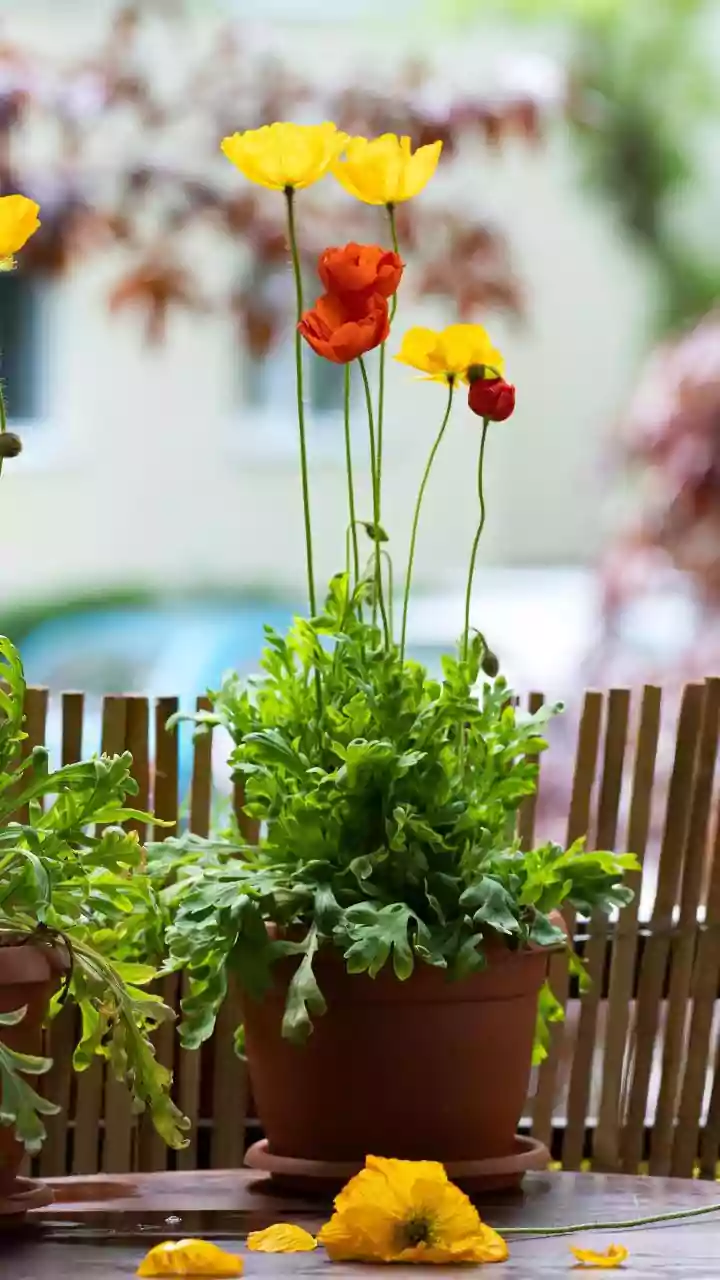
A spot that gets gentle morning sun for a few hours before being shaded from the harsh afternoon heat is a blessing. This condition, often called partial shade, is ideal for many popular plants. Flowering plants like Petunia, Begonia, and Gardenia do well here; they appreciate the bright light but can be sensitive to scorching midday sun. Many fragrant climbers, such as Jasmine varieties (Chameli, Mogra), prefer this type of lighting, allowing them to produce beautiful scents without their leaves burning. This is also the sweet spot for many leafy greens and herbs. Spinach (Palak) and Coriander (Dhania) can actually produce more tender leaves in partial shade, as too much direct sun can cause them to become bitter or bolt (flower prematurely). Mint (Pudina) is another herb that prefers some respite from the afternoon sun.
Thriving in the Shade
A shady balcony doesn't mean you have to give up on gardening. Many plants have adapted to thrive in low-light conditions with only a few hours of indirect sun. These are often chosen for their beautiful foliage rather than abundant flowers. The Money Plant (Pothos) is a go-to for its trailing vines and near-indestructible nature. Similarly, Snake Plants and ZZ Plants are incredibly low-maintenance and well-suited to shaded corners, and they also help purify the air. For a touch of elegance, consider the Peace Lily, which can produce its unique white blooms even in low light. Ferns and Ivy are perfect for hanging baskets in shaded spots, creating a lush, cascading effect that adds a woodland feel to your urban space.