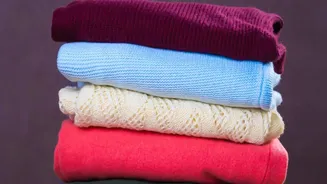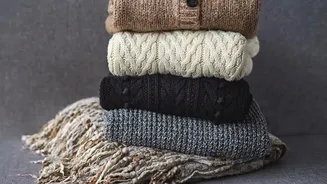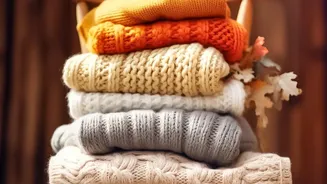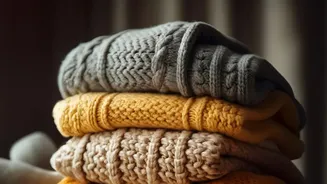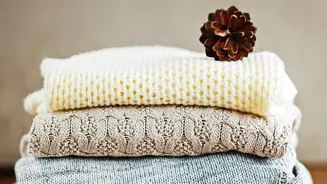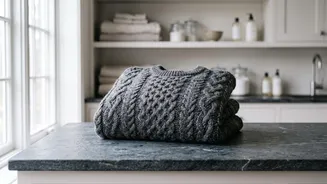




As the first hint of a chill enters the air, the familiar ritual of unpacking winter woollens begins. But the joy of reuniting with a favourite sweater can be dampened by musty odours or the discovery of damage after months in storage.
The All-Important First Inspection
Before any water
touches your garments, a thorough inspection is crucial. Lay each item on a flat, well-lit surface. You are looking for signs of clothes moths, which are a common menace for stored natural fibres. These pests leave behind more than just holes; look for silky webbing, tiny, sand-like droppings known as frass, or small, tube-like cases made of silk and fabric fibres. Check hidden areas like under collars, along seams, and inside pockets, as larvae prefer dark, undisturbed spots. Small holes can often be repaired with a matching yarn, but it's essential to address them before washing to prevent them from getting larger. Also, check for any discolouration or mildew spots that may have developed if the clothes were stored in a damp environment.
Airing Out and Deodorising
Woollen clothes that have been packed away often carry a distinct, stuffy smell. Wool is a natural fibre with the excellent ability to refresh itself, so your first step should be to air it out. Hang your sweaters and shawls outdoors in a shaded, breezy area for several hours. Direct sunlight should be avoided as it can cause colours to fade. If the musty smell persists, you can use natural deodorisers. Placing an open box of baking soda or a bowl of activated charcoal near the garments can help absorb lingering odours without harsh chemicals. For a more active approach, a light mist of a solution made from one part white vinegar and two parts water can help neutralise smells. The vinegar scent will disappear as the garment dries.
The Gentle Art of Washing
Wool requires less frequent washing than other fibres, but a wash after storage is essential to remove dust and allergens. Always check the care label first. If it recommends hand washing, use a basin of cool or lukewarm water, never hot, as high temperatures can cause wool to shrink. Use a mild, pH-neutral detergent specifically designed for wool or even a gentle baby shampoo. Submerge the garment, gently squeeze the suds through it, and let it soak for about 10-15 minutes. Avoid any harsh rubbing or twisting. For machine-washable wool, turn the item inside out and place it in a mesh laundry bag to reduce friction. Select the 'wool' or 'delicate' cycle on your machine, ensuring a low temperature and low spin setting.
Drying and Reshaping with Care
How you dry your woollens is just as important as how you wash them. Never hang a wet wool garment, as the weight of the water will stretch the fibres and ruin its shape. And never use a tumble dryer unless the care label explicitly permits it, as the heat can cause irreversible shrinkage. The correct method is to lay the freshly washed item flat on a clean, dry towel. Gently roll the towel up with the garment inside, pressing softly to absorb excess water without wringing it out. Then, unroll it and lay the garment flat on a drying rack or another fresh towel, away from direct heat or sunlight. While the garment is still damp, gently reshape it, straightening the seams and sleeves to ensure it dries back to its original dimensions.
Finishing Touches to Revive and Refresh
After months of being compressed in storage, the texture of your woollens might seem a little flat or fuzzy. The small balls of fibre that appear on the surface, known as pills, are a natural occurrence but can make a sweater look worn. You can easily remove them using a specialised fabric shaver or a wool comb. Glide the tool gently over the surface to shave off the pills without damaging the fibres underneath. If the garment is wrinkled, avoid direct contact with a hot iron. Instead, use a handheld steamer or the steam function on your iron, holding it a few inches away from the fabric. The steam will relax the fibres, release creases, and help restore the wool's natural loft and softness.