



The Gut: Our Body’s ‘Second Brain’
The phrase “gut instinct” is becoming more literal. Modern wellness conversations are increasingly focused on the gut microbiome—the trillions of bacteria living in our digestive tract that influence everything from digestion and immunity to mood and energy
levels. [27, 29, 31] This isn't a new concept in India; ancient sciences like Ayurveda have long emphasised the importance of digestion for overall health. [2, 12] Today, this traditional wisdom is merging with modern science, leading many to reconsider what constitutes a healthy Indian meal. The focus is shifting from simply counting calories to nourishing the body’s internal ecosystem. [26]
The Fermentation Revival
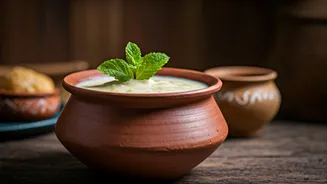
Fermented foods, rich in beneficial probiotics, have always been a part of Indian cuisine. [8] Dishes like Dahi (curd), Idli, Dosa, and Dhokla are staples that have been consumed for centuries. [7, 8, 24] What's changing is the conscious appreciation of their benefits. There is a growing recognition that homemade, naturally fermented foods are nutritional powerhouses. [3, 7] This trend has also sparked a renewed interest in regional ferments like Kanji, a probiotic-rich drink from North India, and Pakhala, a fermented rice dish from the East. [3, 8, 14] This revival is not just about nostalgia; it’s a deliberate choice to incorporate live, gut-friendly bacteria into daily diets, moving away from commercially produced, often sugar-laden alternatives. [3, 5]
Millets Make a Mighty Comeback
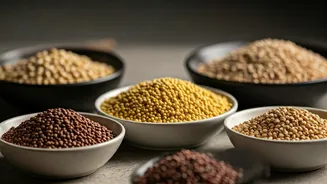
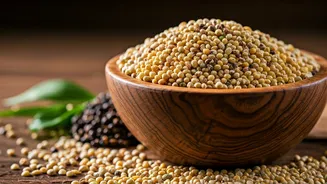
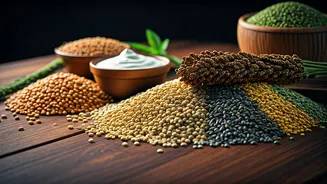
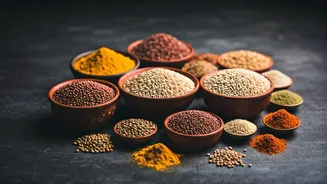
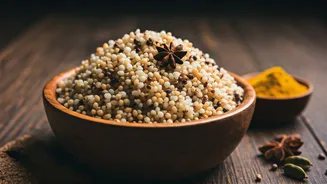
For decades, refined wheat and polished rice dominated Indian plates, pushing aside traditional grains. [16] Now, millets like Ragi (finger millet), Jowar (sorghum), and Bajra (pearl millet) are reclaiming their space in the Indian kitchen. [18, 19] Celebrated for being gluten-free and high in dietary fibre, these ancient grains act as prebiotics—food for the beneficial bacteria in our gut. [2, 16] Their lower glycemic index also helps in managing blood sugar levels. [18] This comeback is supported by a larger movement towards sustainable eating, as millets are climate-resilient crops that require less water. [18] From rotis and porridges to modern snacks, millets are being embraced for their versatility and nutritional superiority. [20, 30]
A Return to Traditional Wisdom
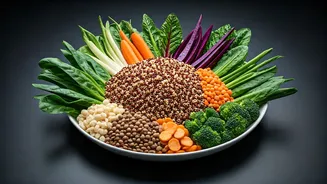
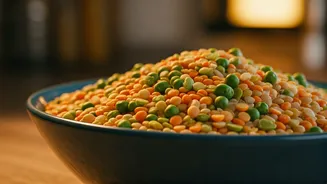
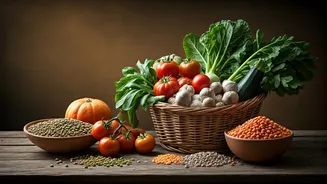
The shift towards a “gut-smart” plate is ultimately a return to the balanced, fibre-rich diets that have been part of Indian heritage for generations. [10, 21] Studies show that the Indian gut microbiome is unique, often dominated by bacteria like Prevotella, which thrives on the complex carbohydrates found in plant-based diets rich in lentils, vegetables, and whole grains. [4, 9, 21] This trend is a move away from the highly processed foods that have become common in urban diets. [6, 17] It’s about embracing the diversity of local and seasonal produce and understanding that the foundations of good health are often found in the simple, everyday foods our grandparents ate. [17, 8]