



Why Bother? The Triple Win
Let’s be real, the appeal of ordering food at the tap of a button is strong. But so is the end-of-month panic when your account is empty. Meal prepping is your secret weapon against this cycle. The benefits are a powerful trifecta. First, the financial
win: preparing your own meals is drastically cheaper than relying on daily takeaways or canteen food. Second, the time-saving win: imagine coming back from a long day of classes to a nearly-ready meal instead of starting from scratch. That’s an extra hour you can use for studying or just relaxing. Finally, the health win: you control the ingredients, the oil, and the portion sizes. It’s the easiest way to avoid the unhealthy food coma that often follows a greasy takeaway, keeping your mind sharp for that next lecture.
The Sunday Session: Your Game Plan
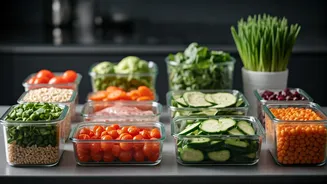
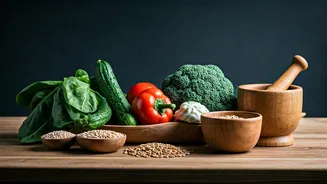
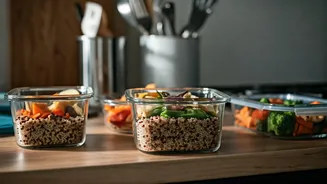
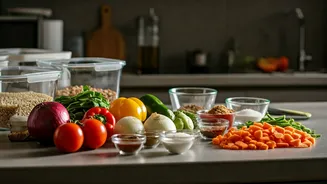
The idea of prepping for a whole week can sound intimidating, but it doesn’t have to be. Dedicate just one or two hours on a Sunday afternoon. Put on some music and get into a rhythm. Your goal isn't to cook seven different dinners, but to prepare the building blocks. Start with the basics: boil a large batch of potatoes, chickpeas, or rajma. Cook enough rice or quinoa to last for three to four days. Make a big batch of a simple base gravy—the classic onion-tomato masala—which you can store and use for different curries later in the week. Chop your hardy vegetables like carrots, bell peppers, and onions, and store them in airtight containers. This simple 'assembly line' approach means that for the rest of the week, cooking a meal is more about assembling than starting from zero.
Your Prep Pantry: The Essentials
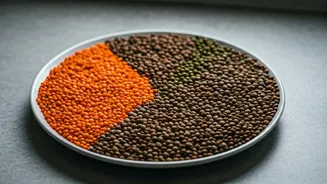
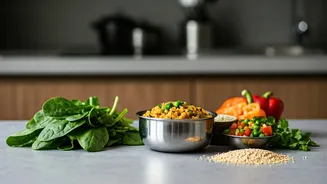
You don't need a fancy kitchen. A few versatile ingredients are all it takes. Think of them as your meal-prep toolkit. Base ingredients like pre-boiled dal or lentils are a must. A container of cooked rice or millets is your foundation for pulao, fried rice, or a simple side. Cubed paneer or tofu, ready to be tossed into a gravy, saves you precious minutes. Don't forget ginger-garlic paste; making a batch yourself or buying a quality jar is a non-negotiable time-saver for almost any Indian dish. With these components ready in your fridge, you can whip up a dal fry, a quick paneer curry, or a vegetable pulao in under 15 minutes. It’s the art of having options without the daily effort.
Embrace the One-Pot Wonder
For students in hostels or PGs with limited kitchen access (and even more limited motivation to wash dishes), the one-pot meal is a lifesaver. These are complete meals cooked in a single pressure cooker or a large kadai. Think vegetable khichdi, which is the ultimate comfort food packed with protein and carbs. Or a simple pulao, where you can toss in your pre-chopped veggies and paneer with rice. Even a basic pasta with a pre-made sauce and some vegetables qualifies. The beauty of these dishes is minimal effort and minimal cleanup, making them perfect for a busy weeknight when you’re mentally exhausted.
Snack Smart, Study Hard
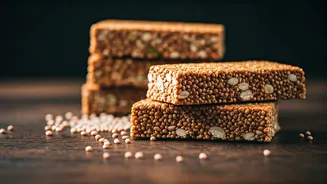
The 4 PM slump or the midnight study session often leads to a packet of chips or sugary biscuits. Meal prep extends to snacks, too. Instead of stocking up on junk, prepare healthier alternatives. A batch of roasted makhana (fox nuts) or chickpeas with a sprinkle of salt and spices is crunchy and satisfying. Create your own trail mix with nuts, seeds, and some dried fruit. You can also pre-cut fruits like melon or pineapple and store them in the fridge for a quick, refreshing bite. Having these on hand makes you less likely to reach for something unhealthy, giving you sustained energy instead of a sugar crash.
Store It Right: The Final Step
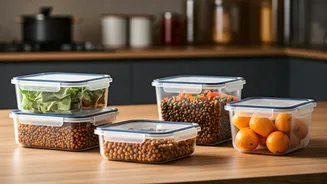
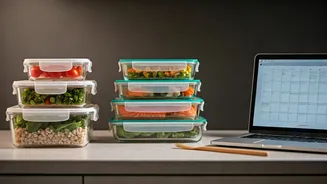
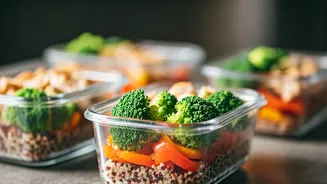
Your hard work is only as good as your storage. Investing in a set of good-quality, airtight, and microwave-safe containers is essential. Glass containers are great as they don’t stain or retain odours, but good BPA-free plastic works too. Label your containers with the date so you know what to eat first. As a general rule, cooked grains and vegetables last 3-4 days in the fridge. Dal and curries also keep well for a similar period. Anything you won’t eat within that timeframe can often be frozen. This prevents food wastage and ensures what you’re eating is fresh and safe.