



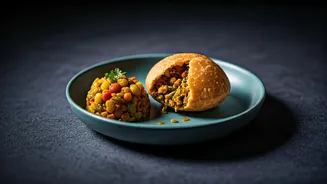



The Monsoon's Official Snack
There's an almost Pavlovian response that connects the sound of rain to the craving for something hot, fried, and savoury. In Mumbai, that craving has a name: bhajiyas. As the monsoon asserts its authority over the city, the humble bhajiya, also known
as pakora in other parts of India, emerges from the culinary sidelines to claim its throne. Street-side stalls, which moments ago were serving juices and chaat, rapidly switch gears. Giant woks, or kadhais, are filled with sizzling oil, and the unmistakable aroma of frying chickpea flour batter mingles with the scent of wet earth. It’s a sensory experience that is deeply woven into the fabric of the city's identity. This isn't just about hunger; it's about comfort, nostalgia, and the collective embrace of a seasonal tradition.
More Than Just a Fritter
To call a bhajiya just a fritter is to miss the point entirely. It is a symbol of shared joy and simple pleasures. It’s the impromptu snack for office colleagues huddled under an awning, the treat parents bring home to their families, and the perfect companion for a long drive along Marine Drive with the windows fogged up. The bhajiya is democratic. It is found in a paper cone from a street vendor for a few rupees, just as it is on the appetizer menu of a high-end restaurant. This accessibility is key to its enduring appeal. It's a food that cuts across all social strata, uniting the city in a singular, greasy-fingered moment of bliss. Each bite is a crunchy, flavourful defiance of the gloom and inconvenience that the monsoon can often bring.
The Anatomy of a Perfect Bhajiya
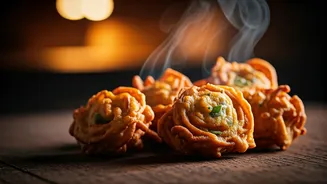
What makes the perfect bhajiya? The debate is endless, but the fundamentals are agreed upon. It starts with the batter, a simple but crucial mix of besan (chickpea flour), water, and a secret blend of spices that every vendor guards fiercely. Turmeric for colour, red chilli powder for heat, a pinch of ajwain (carom seeds) for digestion and flavour, and sometimes a bit of rice flour for extra crispiness. The consistency must be just right—not too thick, not too thin—to coat the main ingredient perfectly. The magic happens in the hot oil. A perfect bhajiya is golden-brown and audibly crunchy on the outside, while the inside remains soft and steamy. It should be served piping hot, often with a side of fried green chillies and a tangy or sweet chutney, to be eaten immediately before it loses its characteristic crisp.
A Tour of Bhajiya Diversity
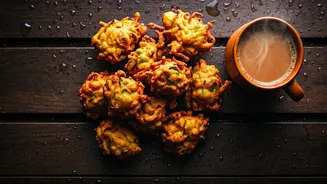
While the simple Kanda Bhajiya (onion fritter), with its sweet, caramelised onions encased in a crispy shell, is the undisputed king, the bhajiya family is large and welcoming. There's the Batata Vada, a spiced potato ball dipped in batter and fried, which is essentially a bhajiya in spirit and a star in its own right. Moong Dal Bhajiyas offer a different texture, grainier and denser, with a distinctively earthy flavour. For the health-conscious (a relative term here), there are Palak (spinach) or mixed vegetable bhajiyas. In some corners of the city, you might even find more inventive versions with paneer, bread, or even baby corn. Each variant has its loyalists, but during a downpour, any bhajiya is a good bhajiya.
The Unbeatable Chai-Bhajiya Combo
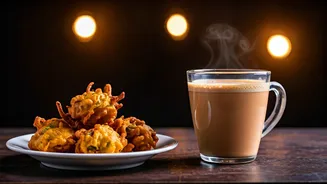
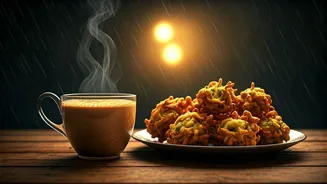
A bhajiya on its own is a delight. A bhajiya with a steaming cup of masala chai is an experience. This is the quintessential monsoon pairing, a match made in culinary heaven. The hot, spicy, and oily nature of the bhajiya is perfectly complemented by the milky, sweet, and aromatic warmth of the chai. The tea cuts through the richness of the fried food, cleansing the palate and preparing you for the next delicious bite. It's a ritual that takes place in homes, offices, and roadside stalls across the city. It’s more than just a snack; it's a moment of pause, a chance to watch the rain fall, and a reminder that some of the best things in life are simple, hot, and shared.