


The Two-Mat Strategy
Your first line of defence is a robust doormat system. Don't rely on a single mat to do all the work. The most effective approach is a two-mat setup. Place a heavy-duty, coarse mat outside your door. Materials like coir, rubber, or mats made from recycled
materials are excellent for scraping off the initial layer of mud and grit. Inside the door, place a highly absorbent mat made from materials like microfiber or recycled plastic bottles. This second mat catches the remaining water and finer dirt, protecting your floors and preventing slippery patches from forming. Regular cleaning is key; shake out the outdoor mat daily and wash the indoor one weekly to maintain their effectiveness.
Establish a 'Wet Zone'
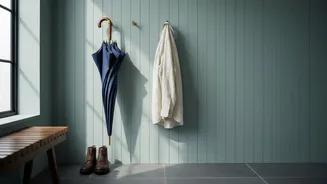
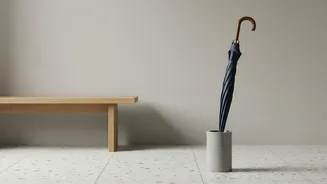
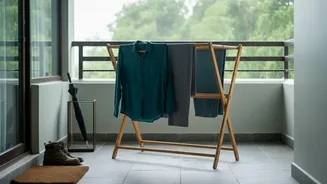
Contain the mess by designating a specific 'wet zone' just inside your entrance. This doesn't need to be a large or formal mudroom; it can be a small, clearly defined area for depositing wet shoes, chappals, and umbrellas the moment someone enters. A waterproof tray is the cornerstone of this zone. You can purchase boot trays or create your own using old baking sheets, shallow plastic bins, or even a repurposed wooden drawer. For an even better solution, fill the tray with a layer of pebbles or river rocks. This elevates the footwear, allowing water to drain to the bottom and air to circulate, which speeds up the drying process and prevents shoes from sitting in a puddle.
Smart Storage for Wet Footwear
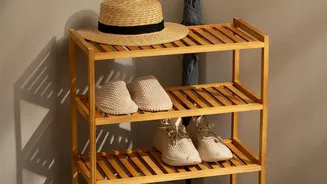
A pile of wet shoes is not only unsightly but also a breeding ground for mould and bad odours. Smart storage is crucial. Look for shoe racks with good ventilation, such as those with slatted or open-wire shelves, which allow air to flow freely. During the monsoon, plastic or powder-coated metal racks are often more practical than wooden ones, as they won't absorb moisture, swell, or rot. In smaller apartments, think vertically. Multi-tiered, compact shoe racks maximise storage without taking up precious floor space. For a budget-friendly and creative option, consider stacking plastic crates on their side to create cubbies that allow for easy access and airflow.
The Art of Effective Drying
Simply taking off wet shoes isn't enough; they need to be dried properly to prevent material damage and foul smells. Before placing them on a rack, wipe off any excess mud. The best way to dry soaked shoes from the inside is to stuff them with crumpled newspaper. The paper absorbs a remarkable amount of moisture and helps the shoe retain its shape. Replace the damp newspaper every few hours for faster results. Never use direct heat like a hairdryer, as it can crack leather and damage adhesives. Instead, place the shoes in a well-ventilated area, perhaps near a fan, to air-dry naturally. It's also wise to rotate between at least two pairs of everyday footwear to give each pair ample time to dry out completely.
Daily Habits for a Tidy Entrance
A well-organised system works best when supported by simple daily habits. Make it a household rule for everyone to remove their shoes immediately upon entering and place them in the designated area. Keep a small cleaning kit nearby—a few old towels or absorbent cloths in a basket or storage bench can be a lifesaver for wiping down shoes or mopping up immediate spills. A quick daily wipe of the 'wet zone' floor prevents dirt from building up and getting tracked further into the house. Placing a small bench near the entrance provides a convenient spot for people to sit while removing their footwear, making the process smoother and encouraging compliance with the 'shoes-off' rule.