






The Old Travel Calendar Is Broken
For generations, travel in India followed a familiar rhythm. We fled to the hills in summer to escape the heat, avoided the mountains during monsoon, and planned European vacations for a pleasant June or July. This calendar was our guide, a reliable framework
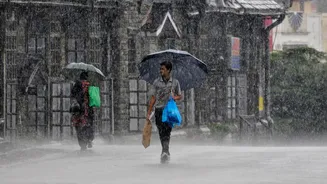
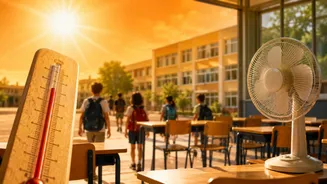
for booking flights and hotels. But that framework is shattering. The once-predictable seasons have been replaced by a volatile new climate reality. Unprecedented heatwaves are scorching Europe in summer, turning dream holidays into health hazards. In India, monsoons arrive with a terrifying ferocity, causing flash floods and landslides that cut off entire regions, as seen in Himachal Pradesh and Uttarakhand. The lines between 'good' and 'bad' seasons are blurring, leaving travellers and the industry scrambling to keep up.
The Hill Station Gamble
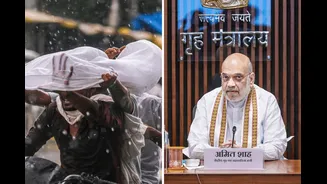
The quintessential Indian summer escape—a trip to Shimla, Manali, or Mussoorie—has become a high-stakes gamble. The devastating floods and landslides in the Himalayan states in recent years are not isolated incidents but part of a terrifying new pattern. Roads that once led to scenic vistas now wash away in torrential rains. A family holiday can turn into a desperate evacuation. The very idea of the hills as a safe, cool refuge has been challenged. Consequently, travellers are being forced to ask new questions: Is it safe to travel during the monsoon at all? Will the infrastructure hold? The risk is no longer just a delayed flight; it's a matter of personal safety, making many reconsider these once-cherished destinations.
When Your European Dream Overheats
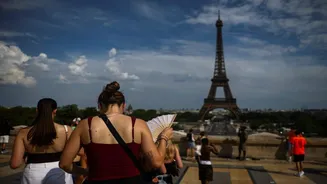
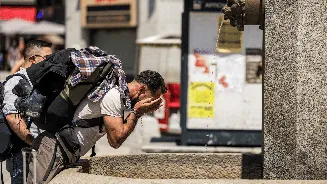
The problem isn't confined to our backyard. The dream of a perfect European summer—strolling through Rome's ancient streets or lounging on a Greek island—is also melting away. Recent years have seen southern Europe gripped by record-breaking heatwaves, with temperatures soaring well above 40°C. Nicknamed 'Cerberus' and 'Charon', these heat domes have turned tourist hotspots into furnaces. Iconic attractions like the Acropolis have had to limit visiting hours to protect tourists from heatstroke. Holidaymakers who saved for years are finding themselves confined to air-conditioned hotel rooms, their itineraries dictated not by interest but by the thermometer. The romantic vision of a summer in Italy or Spain is being replaced by the harsh reality of wildfires, health warnings, and cancelled plans.
The Industry's Mad Scramble
This new unpredictability is sending shockwaves through the entire travel ecosystem. Airlines face a nightmare of cancellations and rerouting. Insurance companies are rewriting policies, with premiums for travel disruption likely to rise. Tour operators, who build their businesses on predictable schedules, are now creating contingency plans for their contingency plans. The concept of 'shoulder season' travel—visiting a destination just before or after its peak season—is being pushed as a solution. Travel agents are no longer just booking tickets; they are becoming risk assessors, advising clients on weather patterns and the importance of flexible bookings. Destinations themselves are being forced to adapt, with some promoting 'cool-cations' in traditionally colder regions or investing in climate-resilient infrastructure.
A New Itinerary for the Modern Traveller
So, what does this mean for us? Giving up on travel is not the answer. Instead, it requires a fundamental shift in how we approach it. Flexibility is the new passport. Opting for refundable bookings and comprehensive travel insurance that covers weather-related events is no longer a luxury but a necessity. We must become more diligent researchers, looking beyond glossy brochures to study recent weather patterns and local news reports. It means being open to changing plans at the last minute or choosing destinations less susceptible to extreme events. This new era demands a traveller who is more informed, more adaptable, and more aware of the powerful forces that are now, truly, editing our world map.